
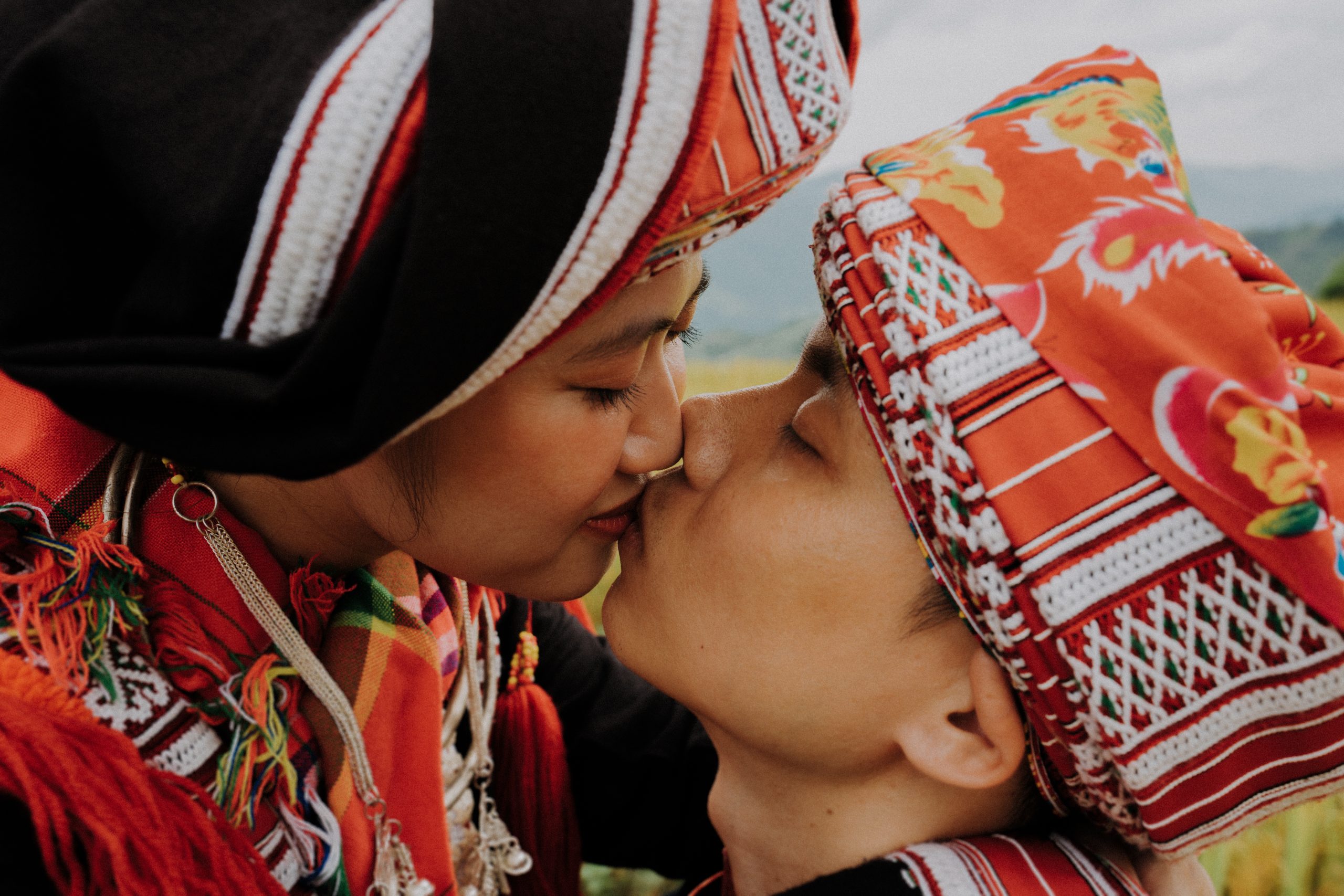
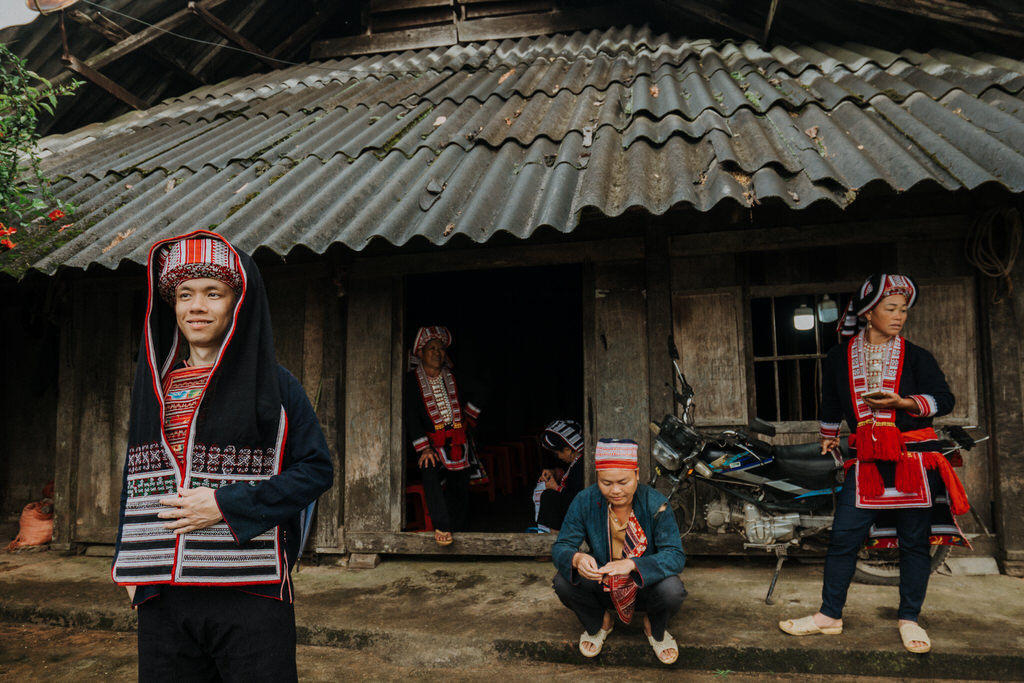
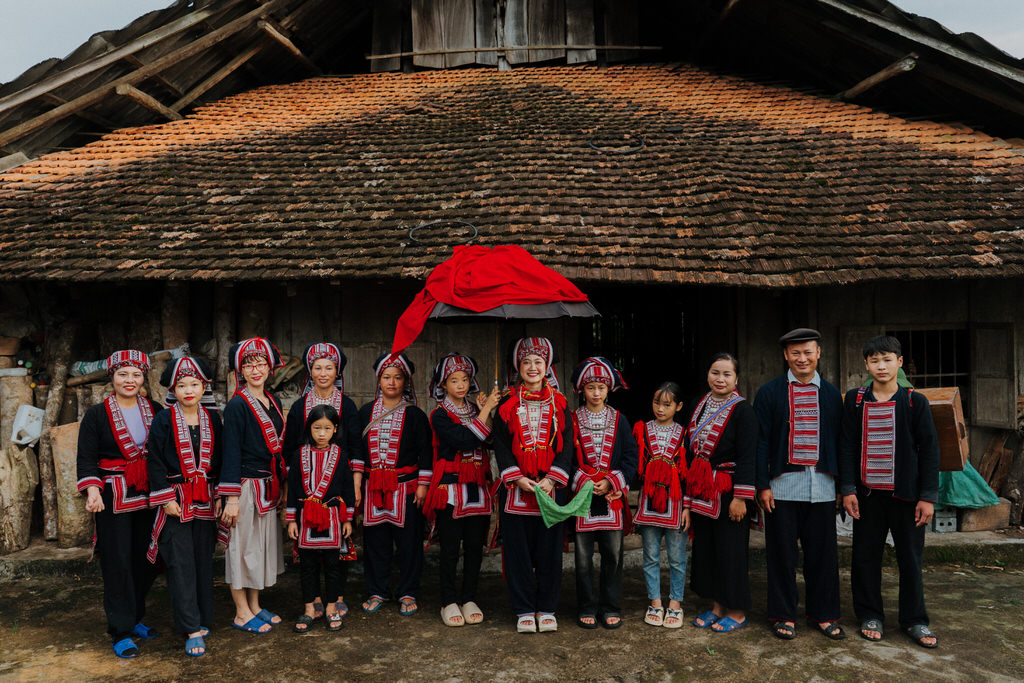
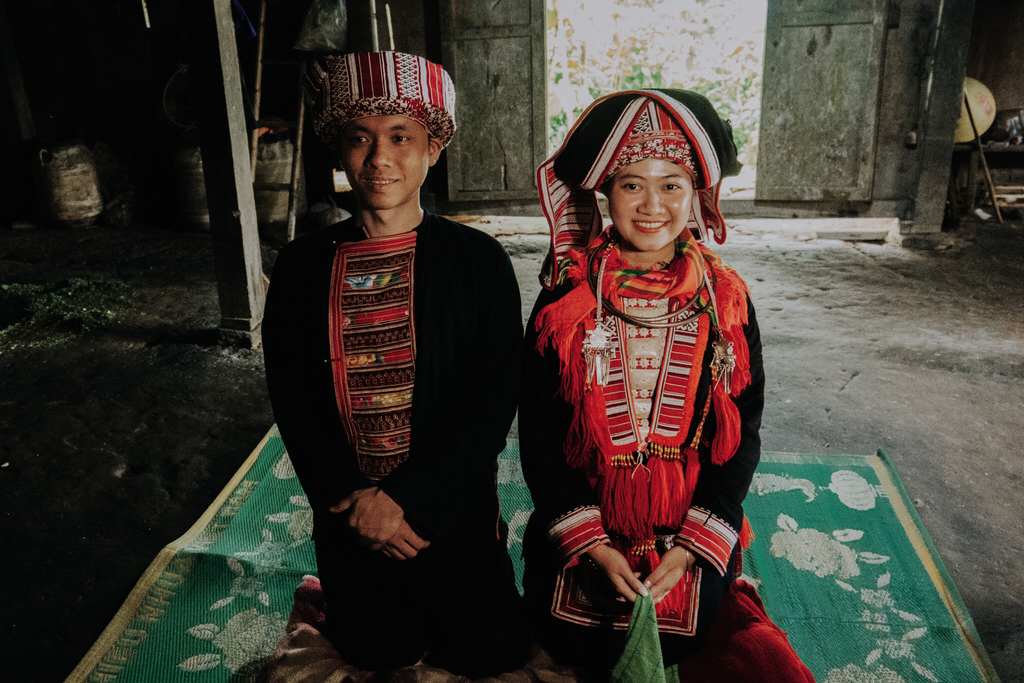
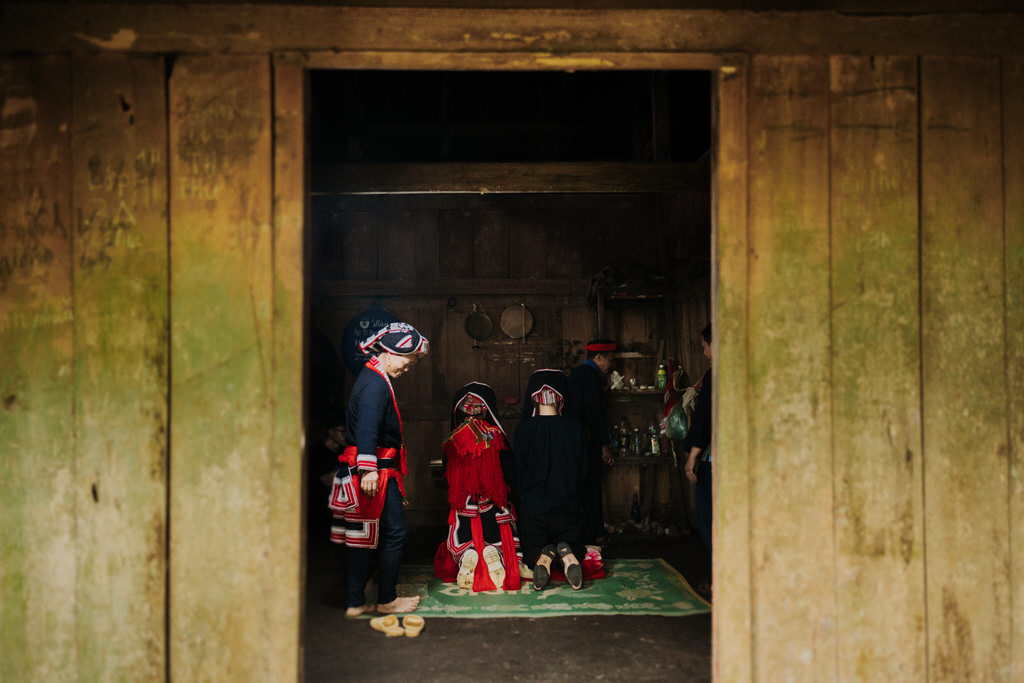
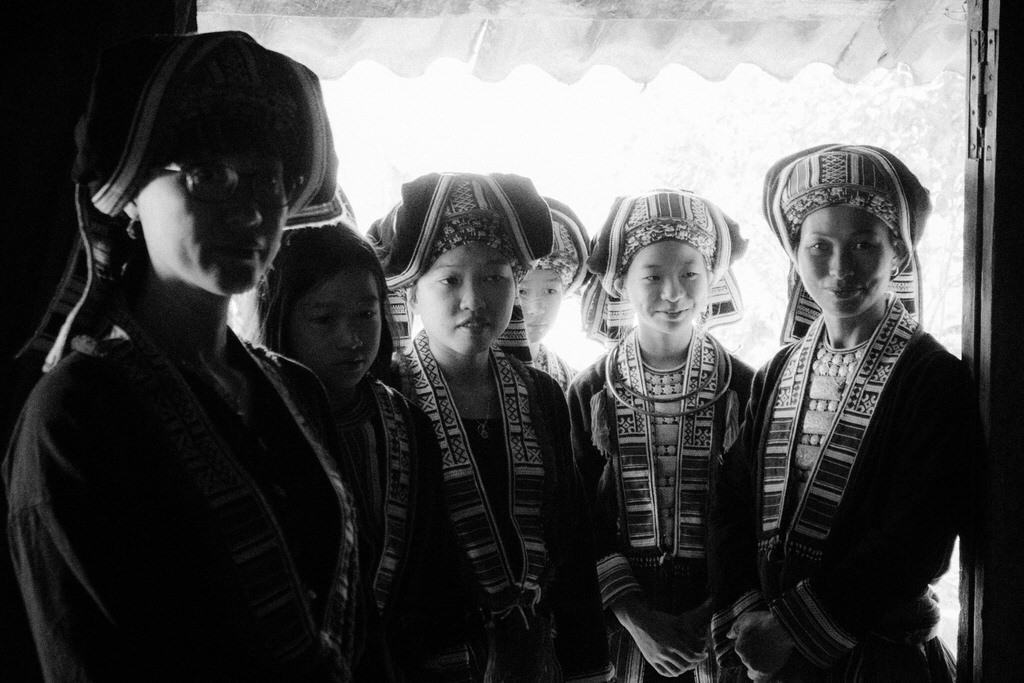
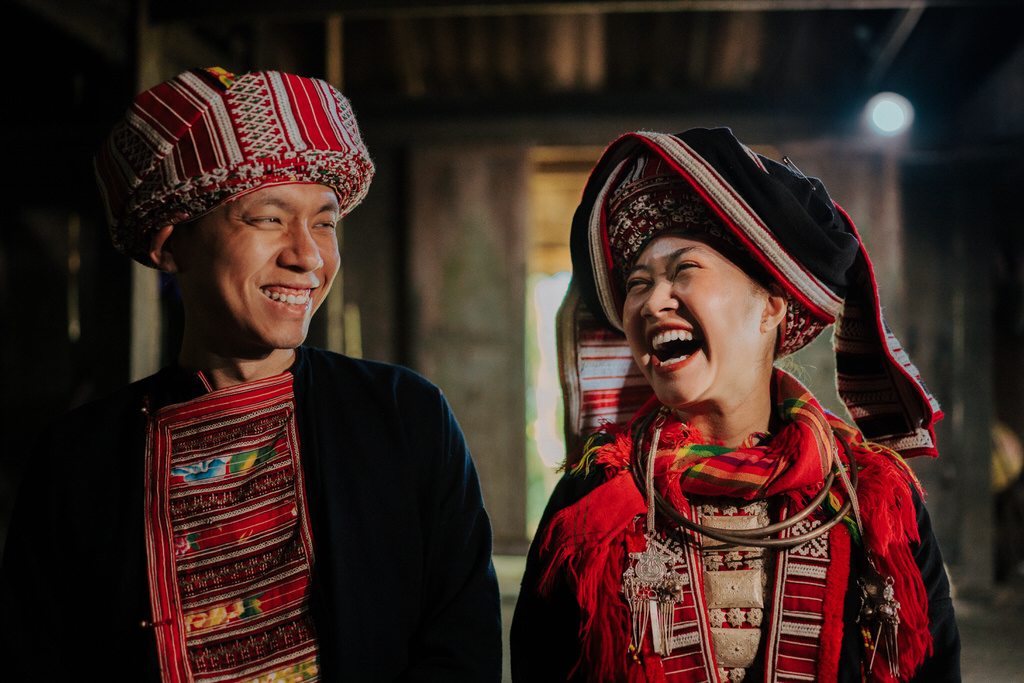
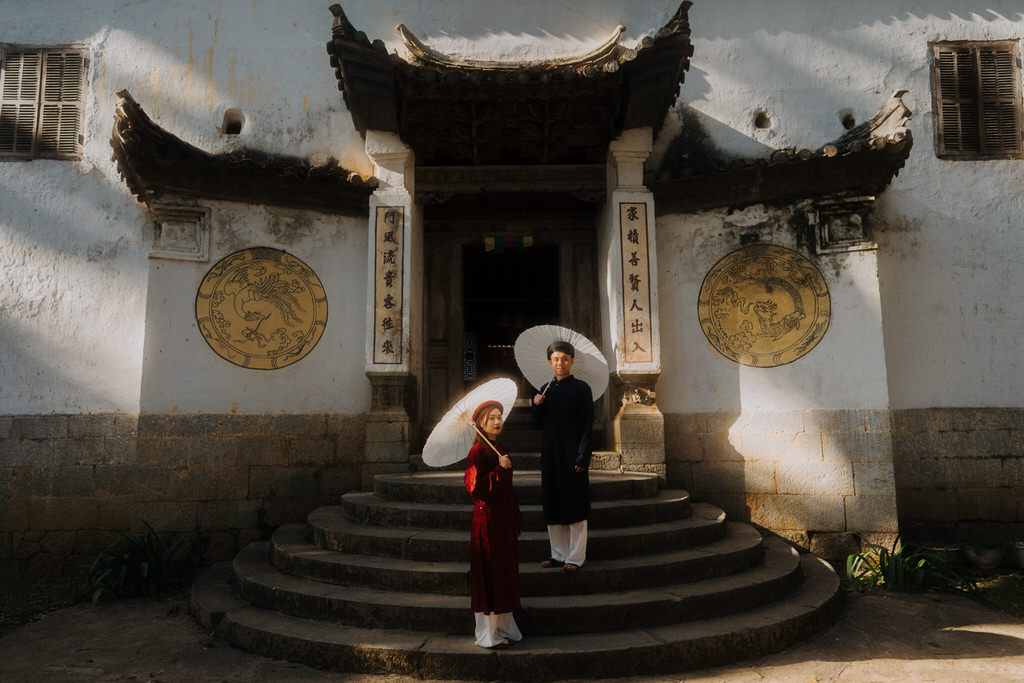
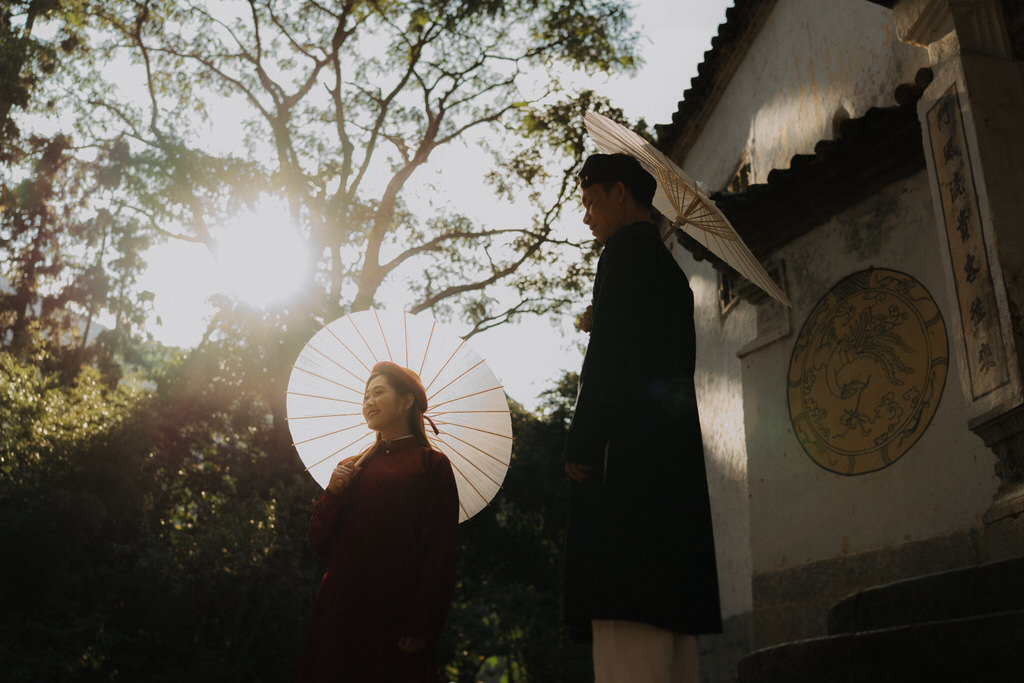
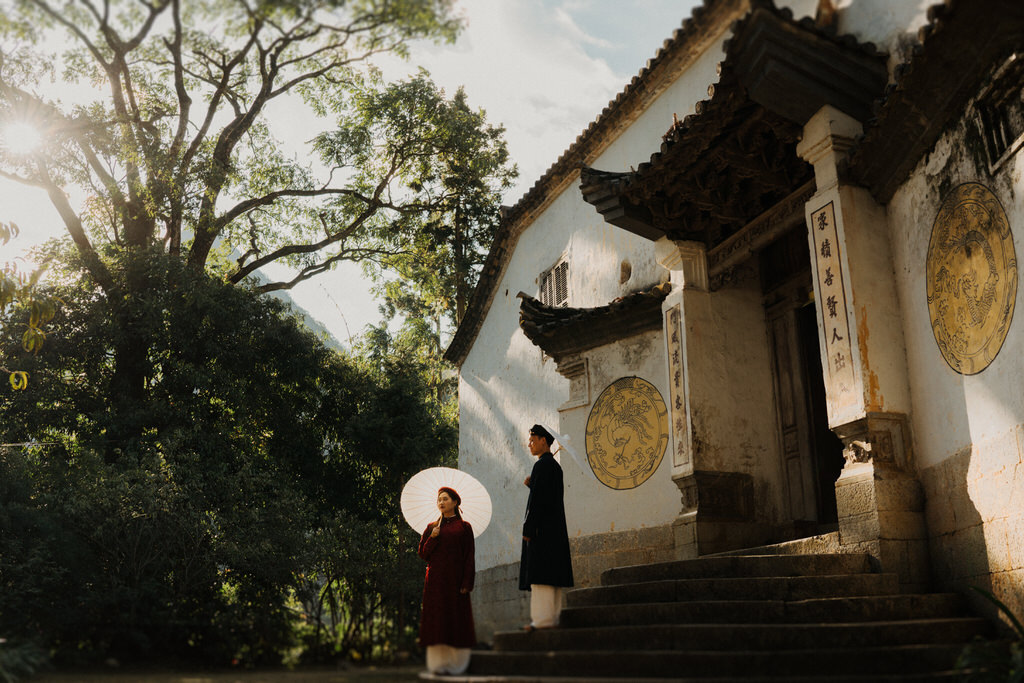
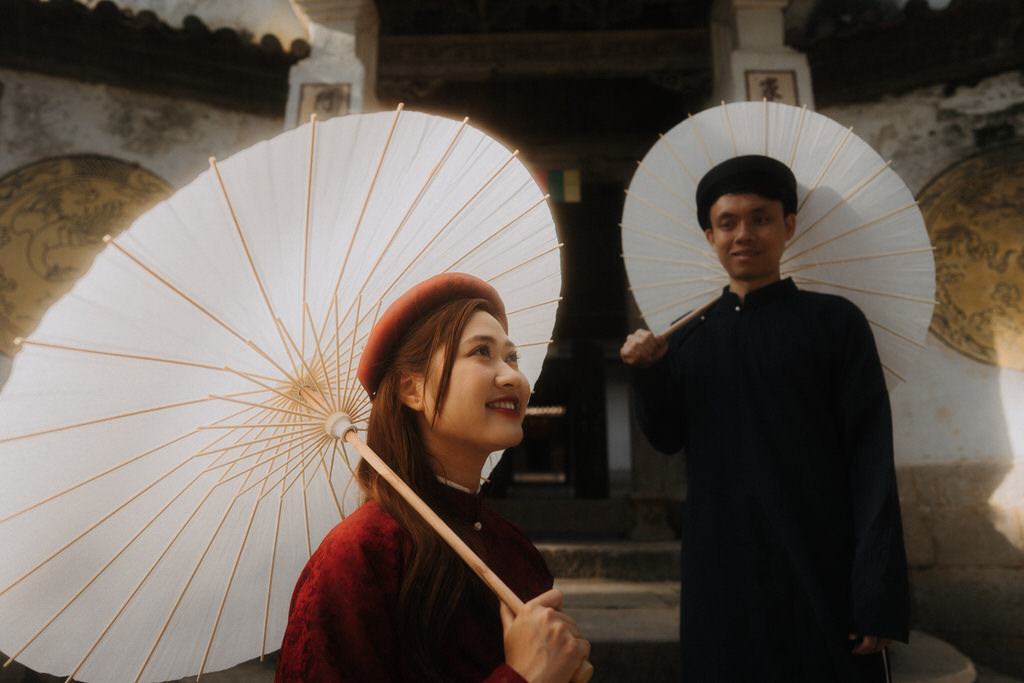
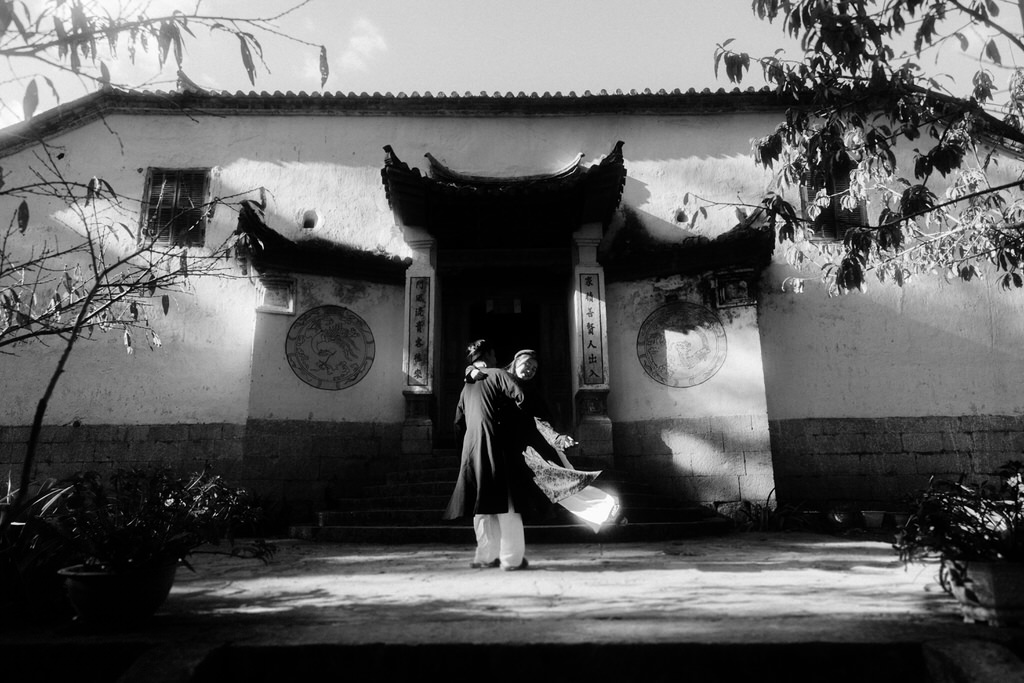
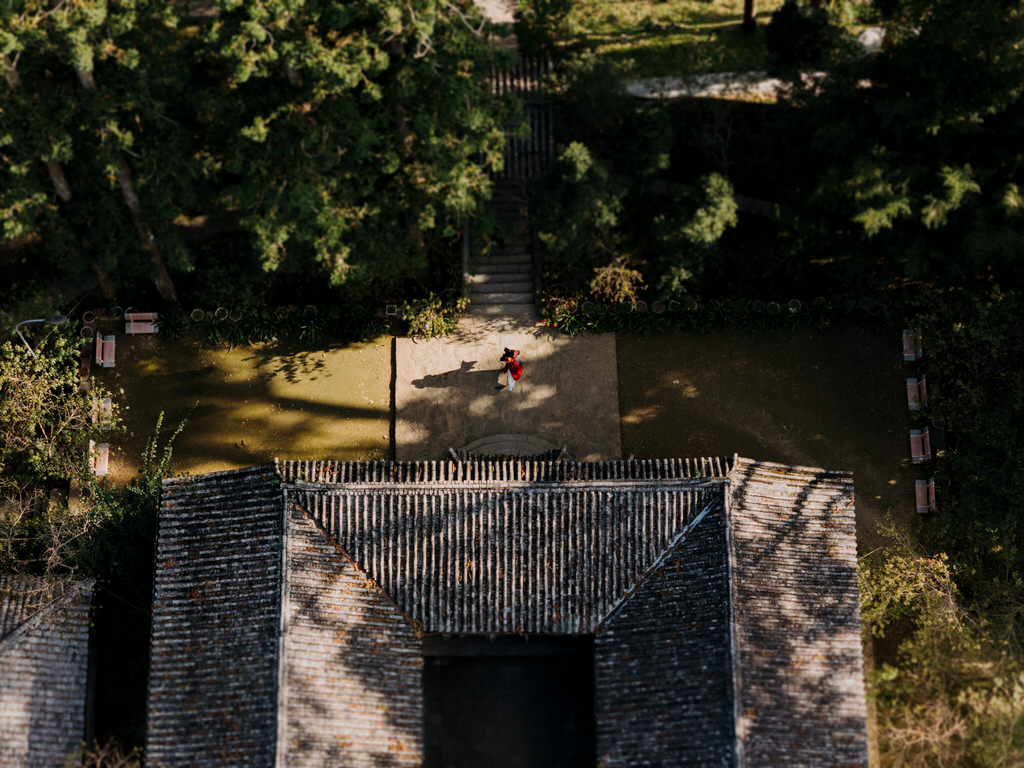
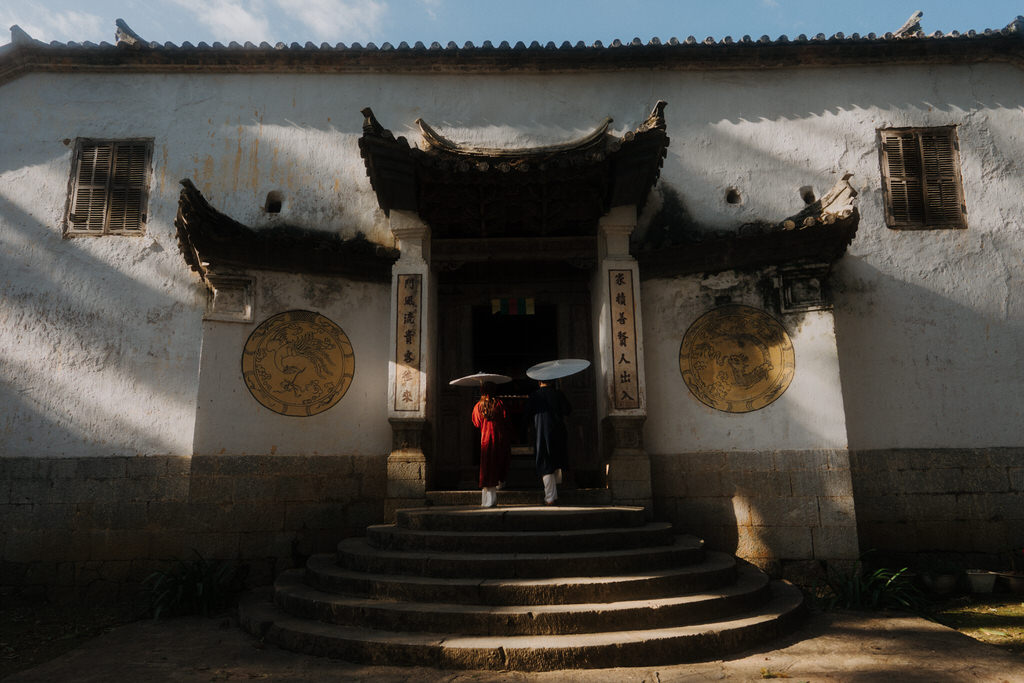
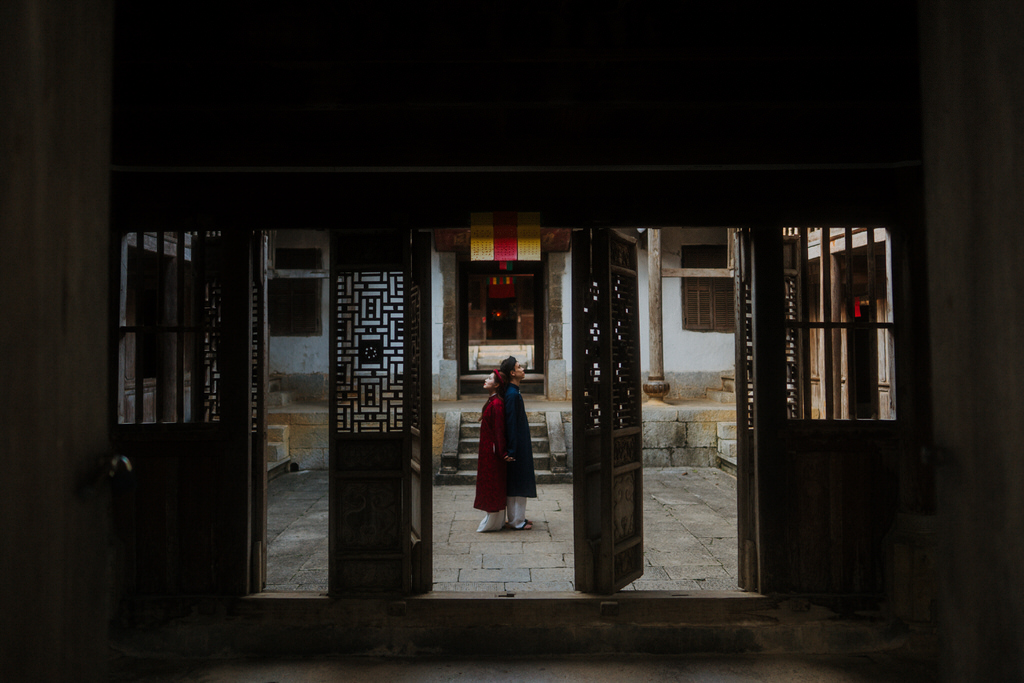
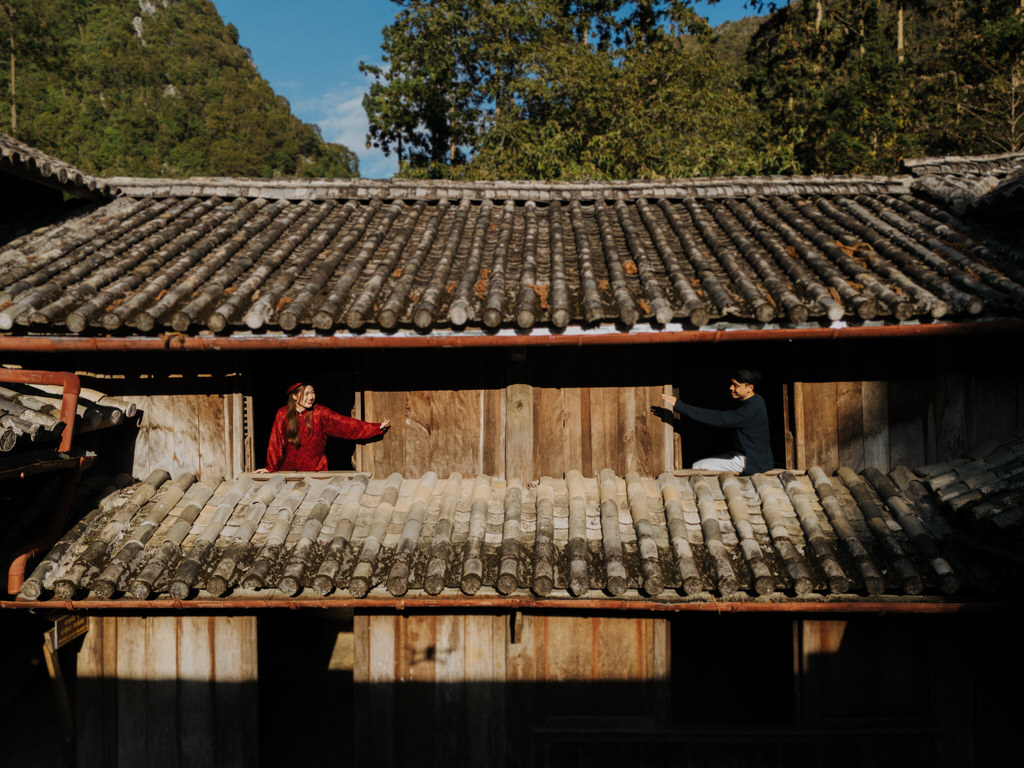
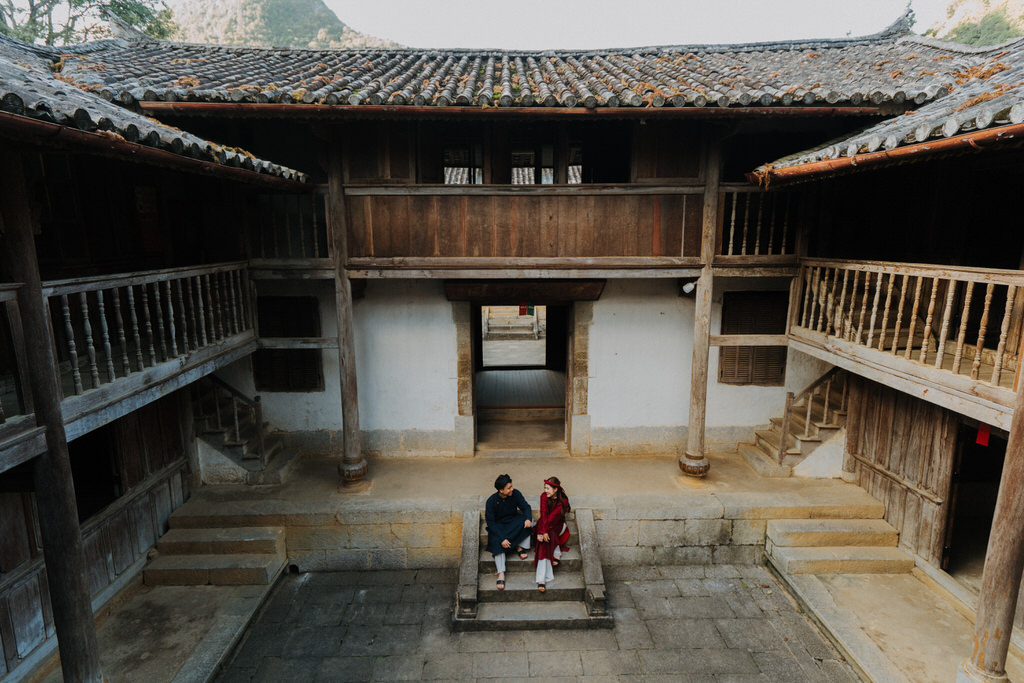
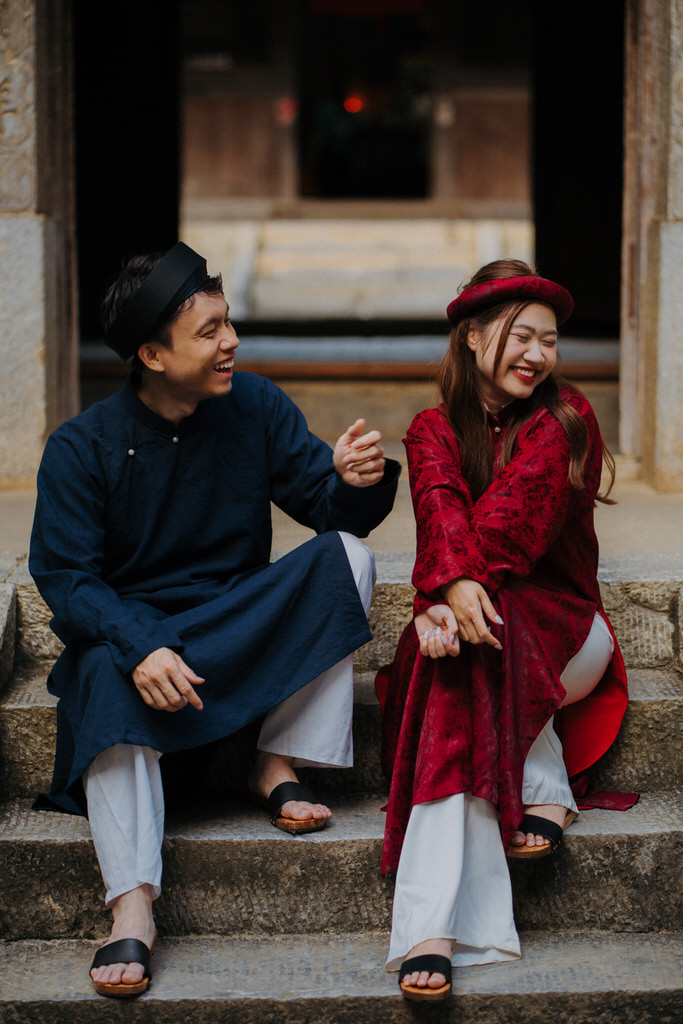
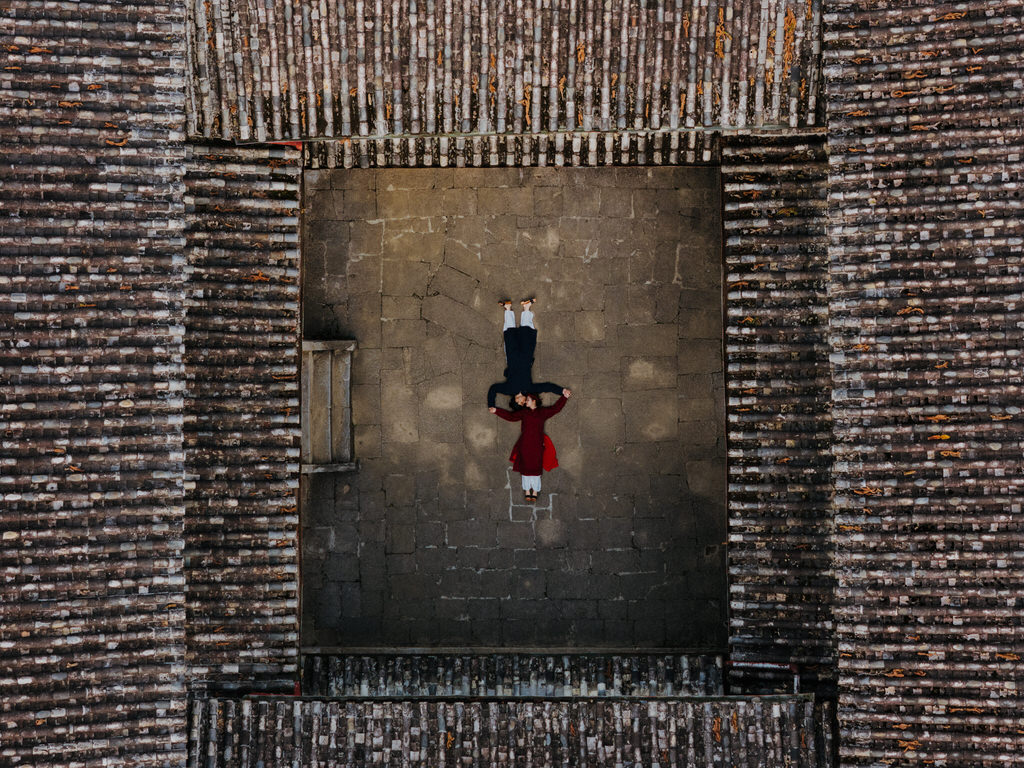
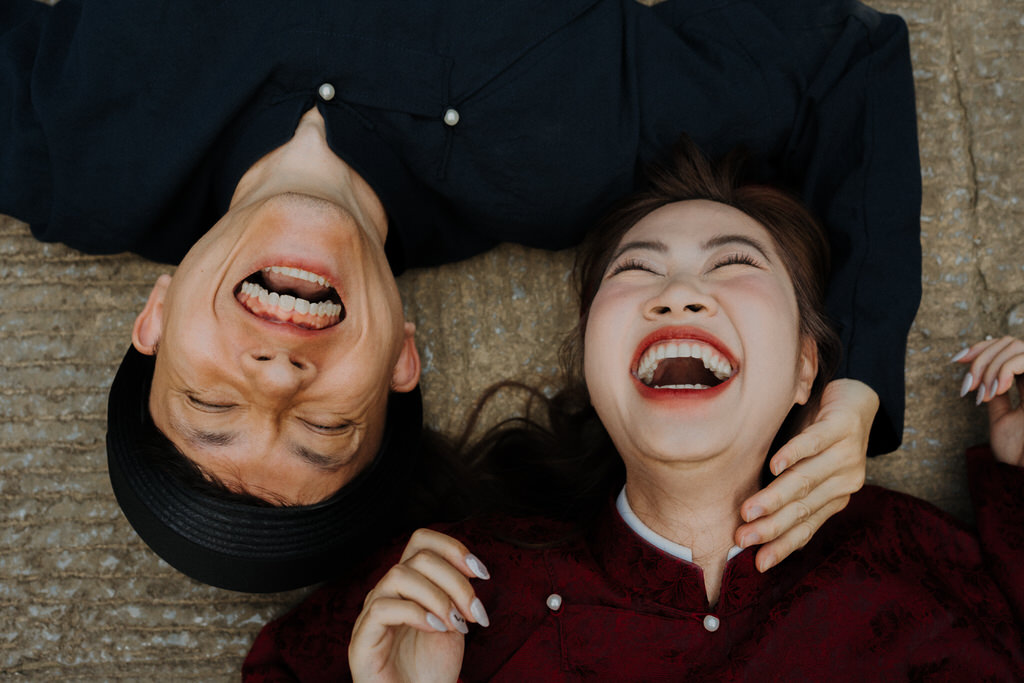
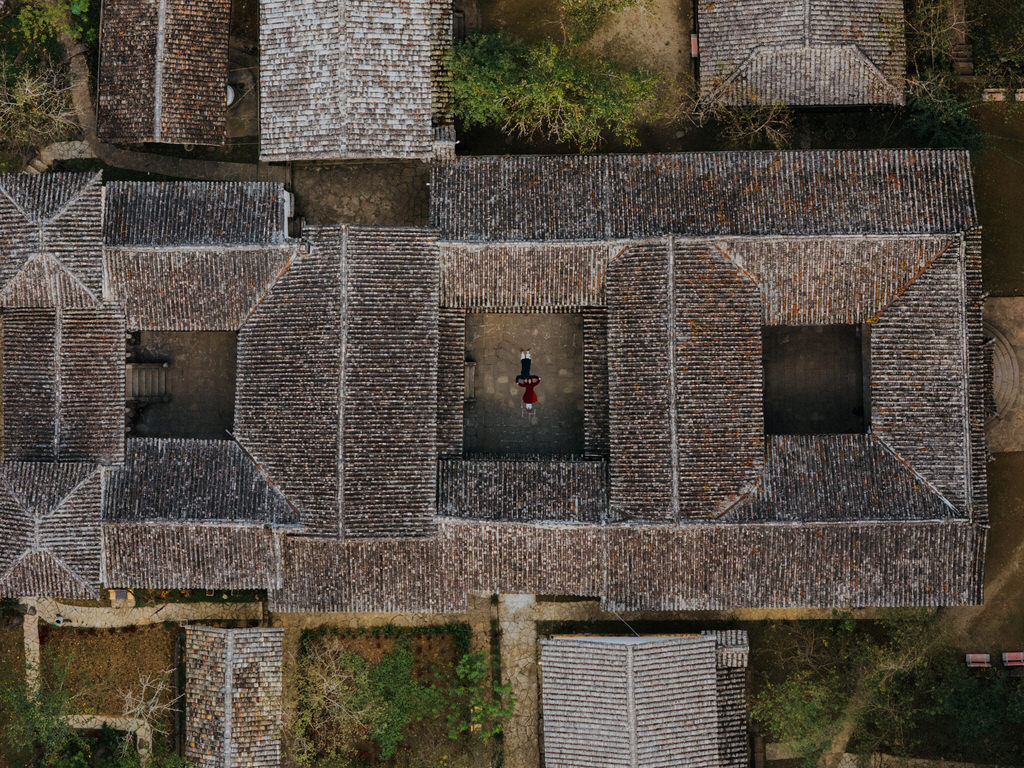
A Elopement Wedding in Ha Giang | A wedding ceremony of the Red Dao people in Ha Giang, Vietnam.
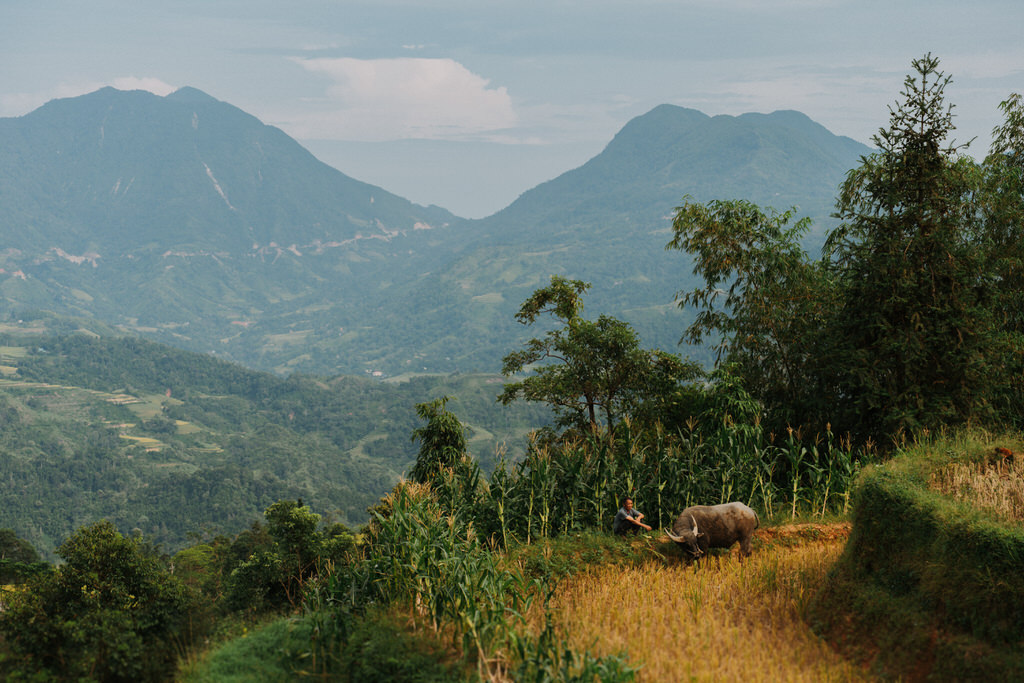
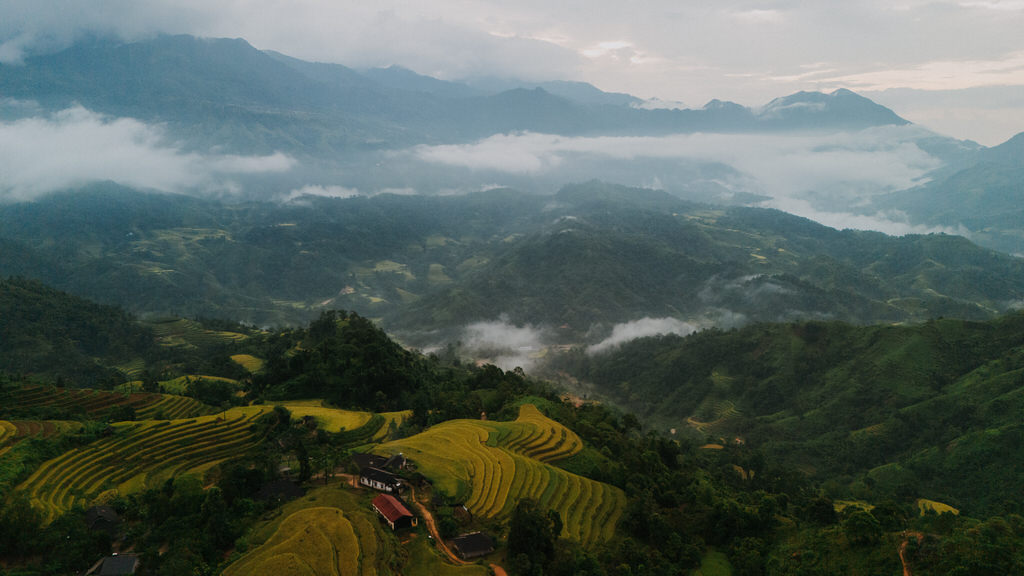
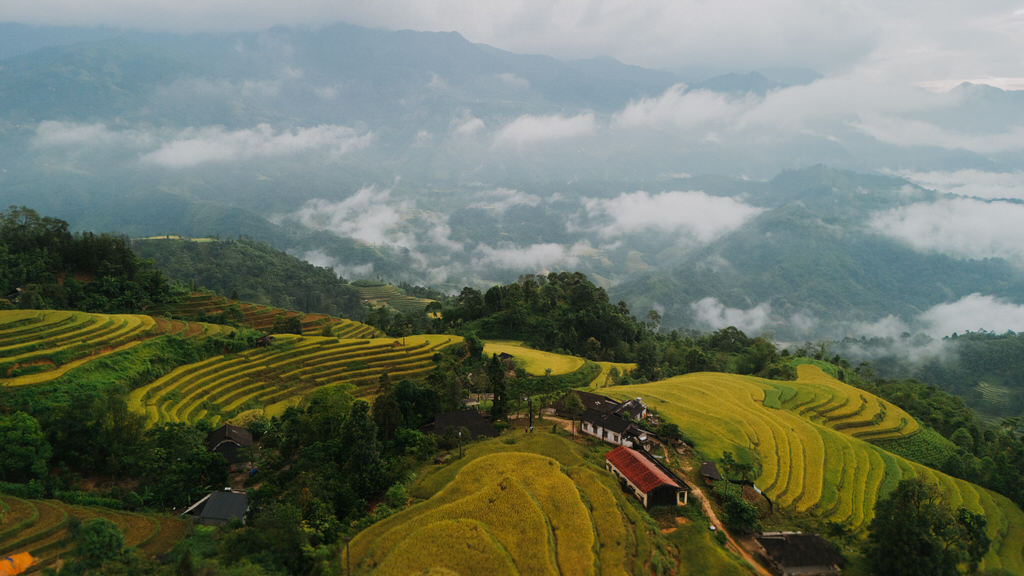
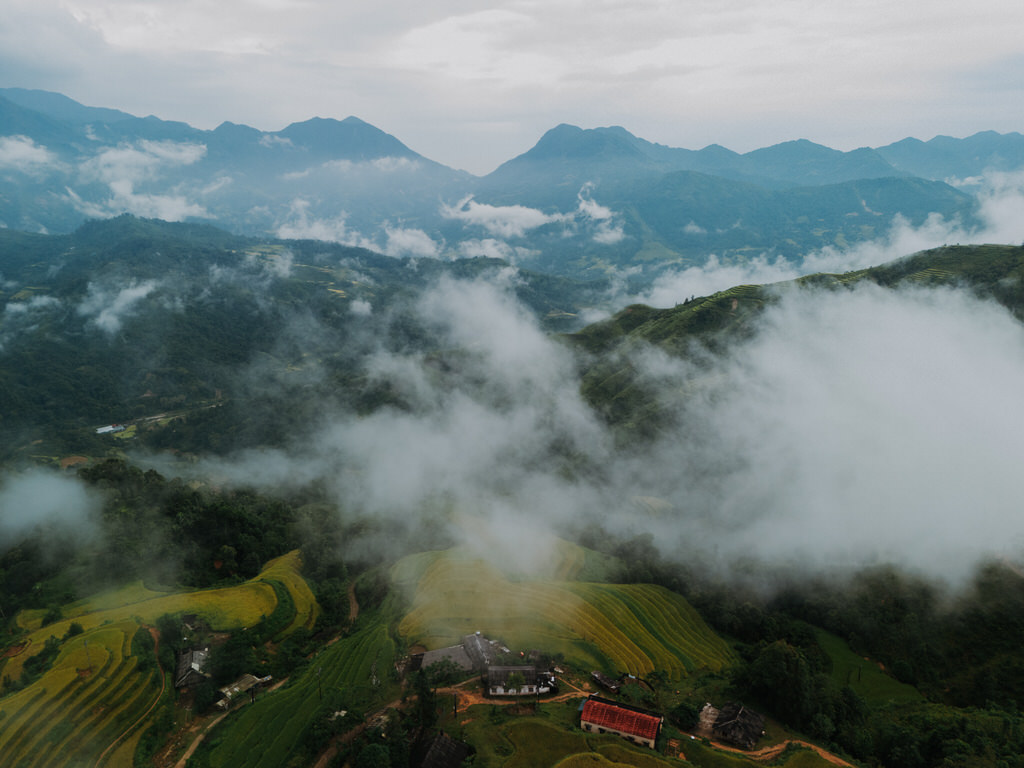
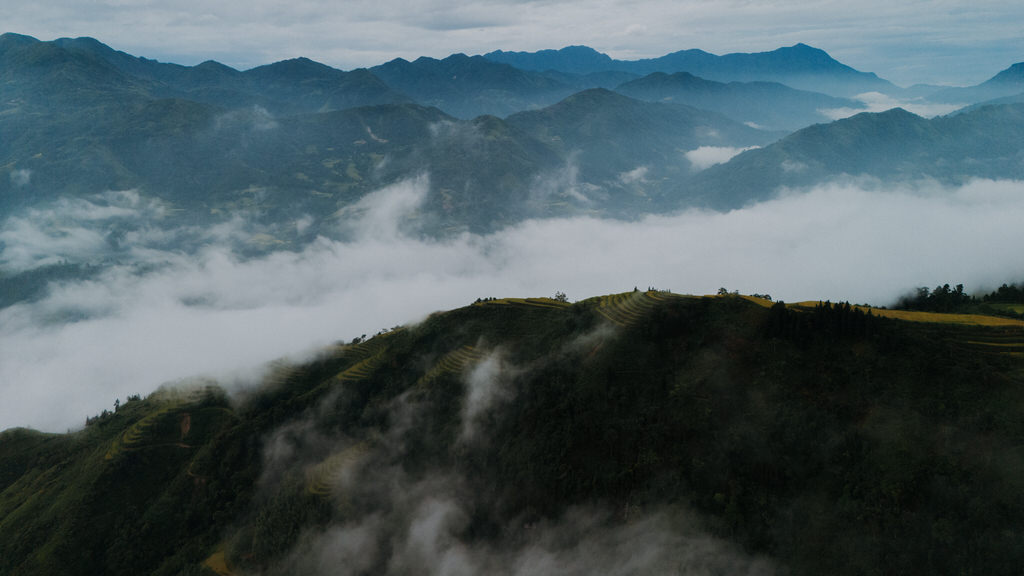
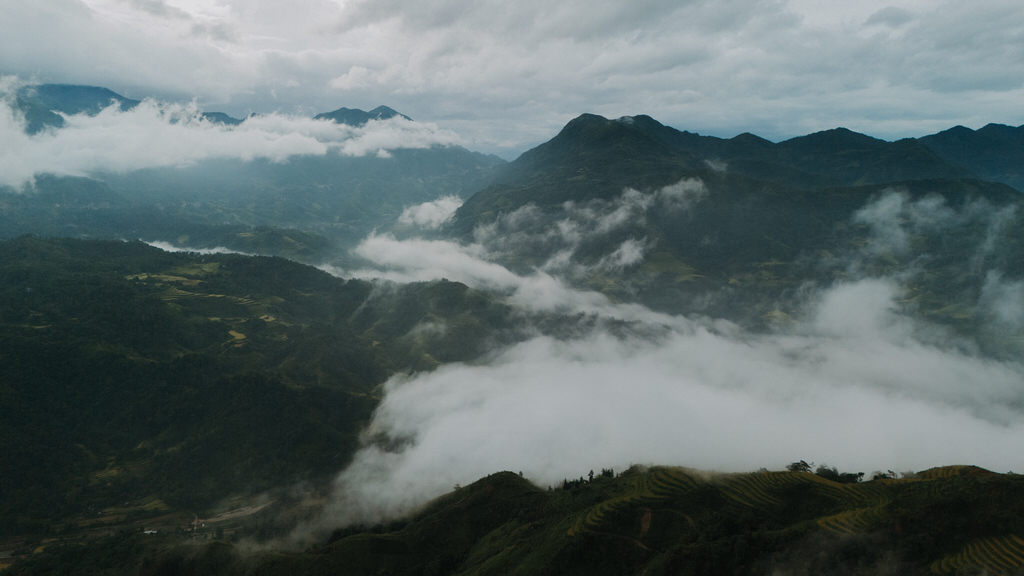
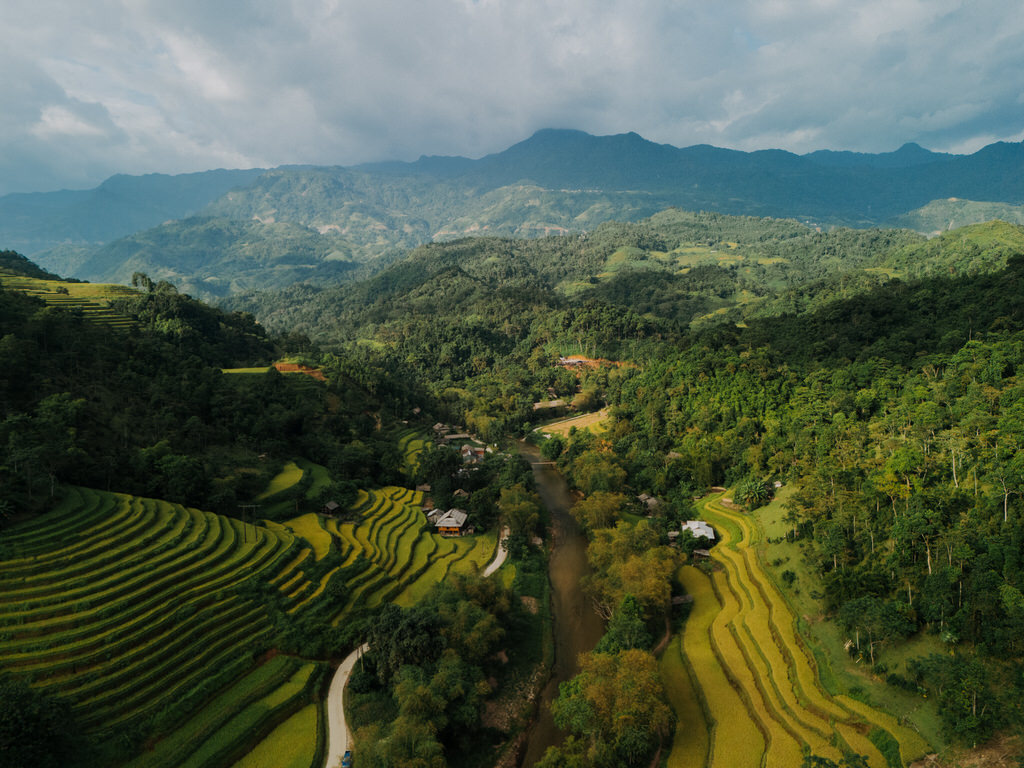
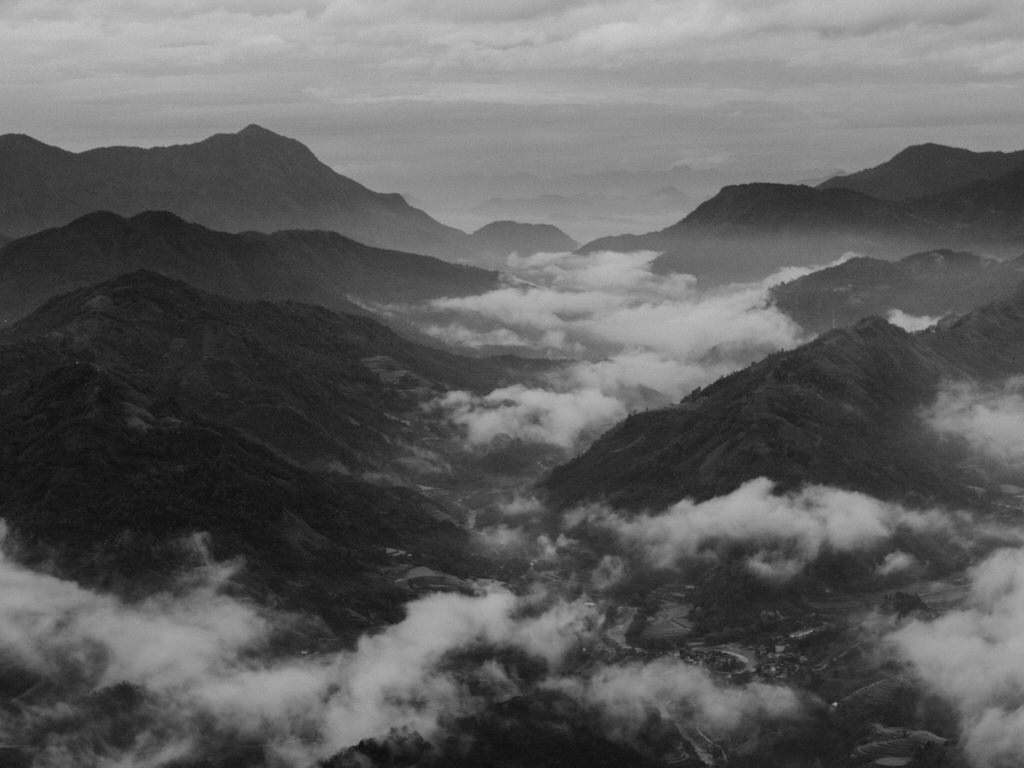
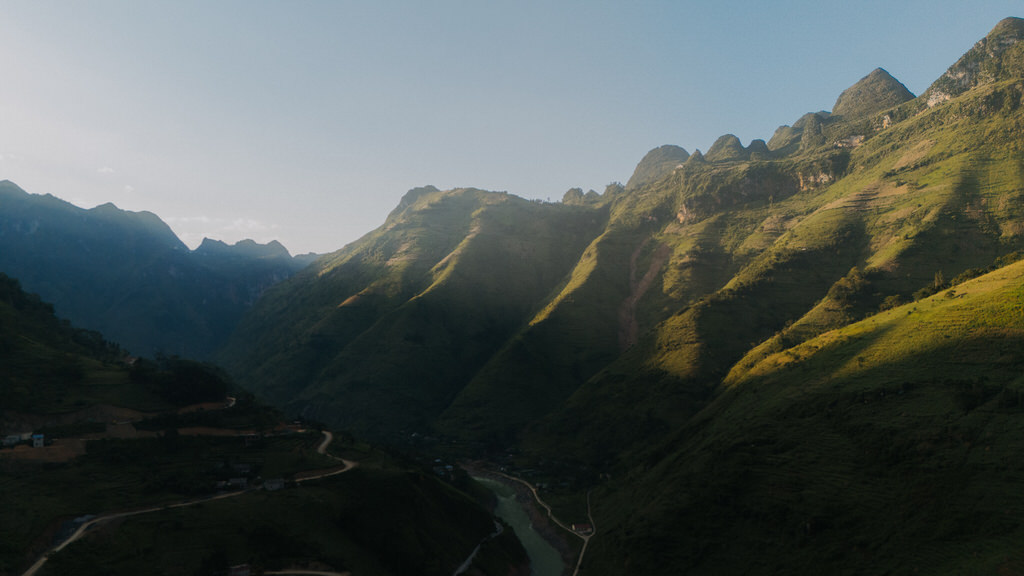
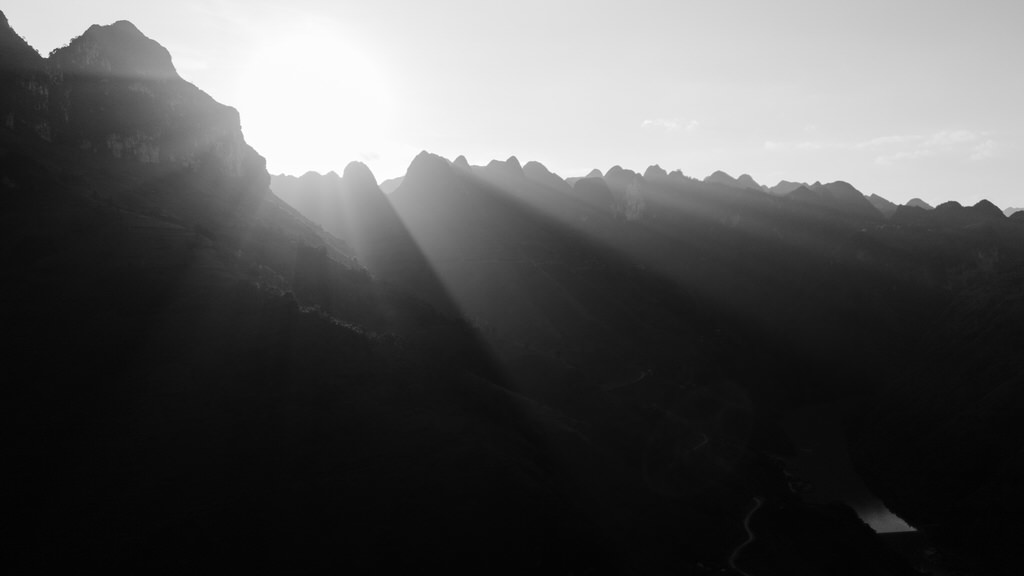
Some places do not need to be embellished to feel extraordinary. Ha Giang is one of them. Stone rises into mountains, mountains hold the clouds close, and narrow roads wind through Vietnam’s far northern frontier. Life continues quietly amid the rugged landscape. Here, beauty is not only found in what we see, but also in the people, traditions and stories that have endured through generations.
We have returned home to warm beds, quiet rooms and the familiar rhythm of everyday life. At times, the journey feels like a beautiful dream. Yet some things do not end when a trip is over. They stay with us, becoming memories we will carry for years to come.
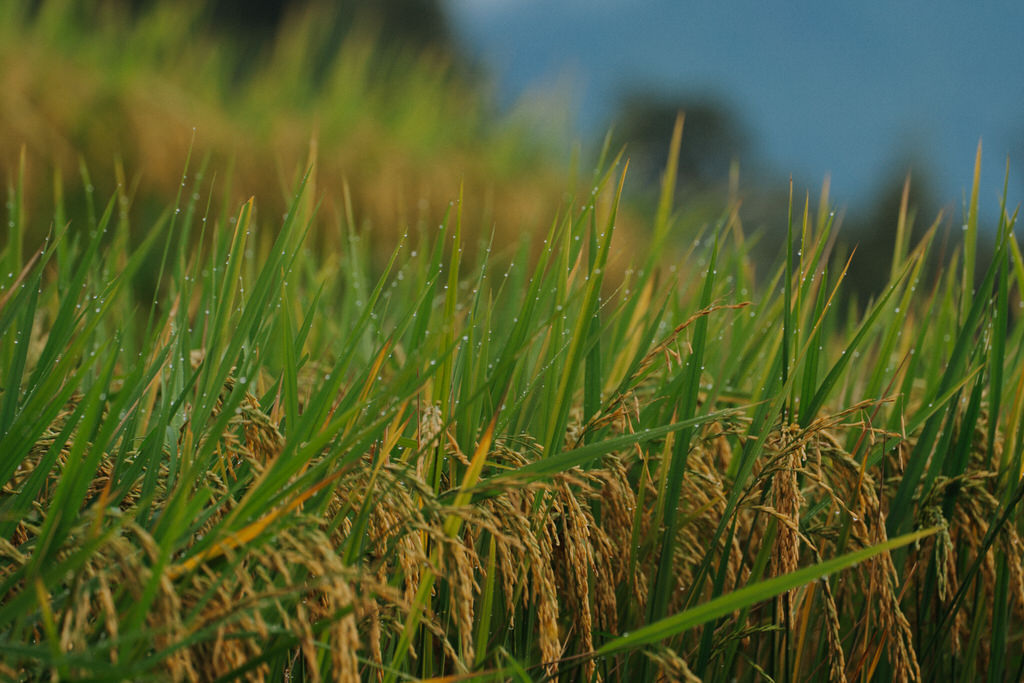
We still miss those nine days, and we miss one another. We miss living together like a little family, travelling along winding roads, and sharing stories about our own lives. We miss waking up early to the scent of ripening rice and enjoying rare cups of coffee at nearly 2,000 metres above sea level.
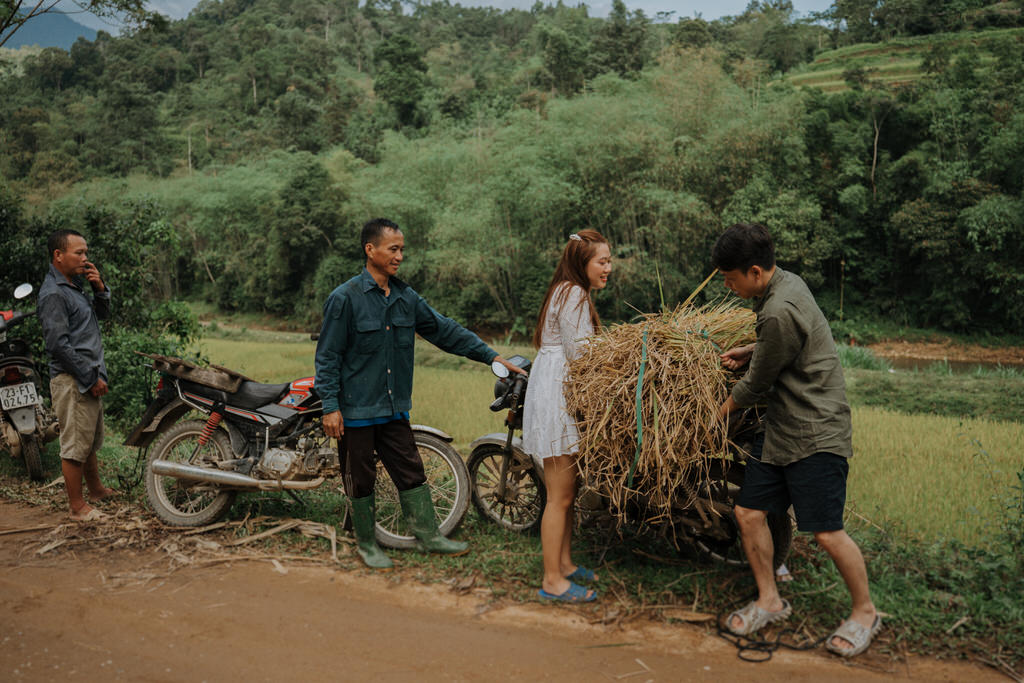
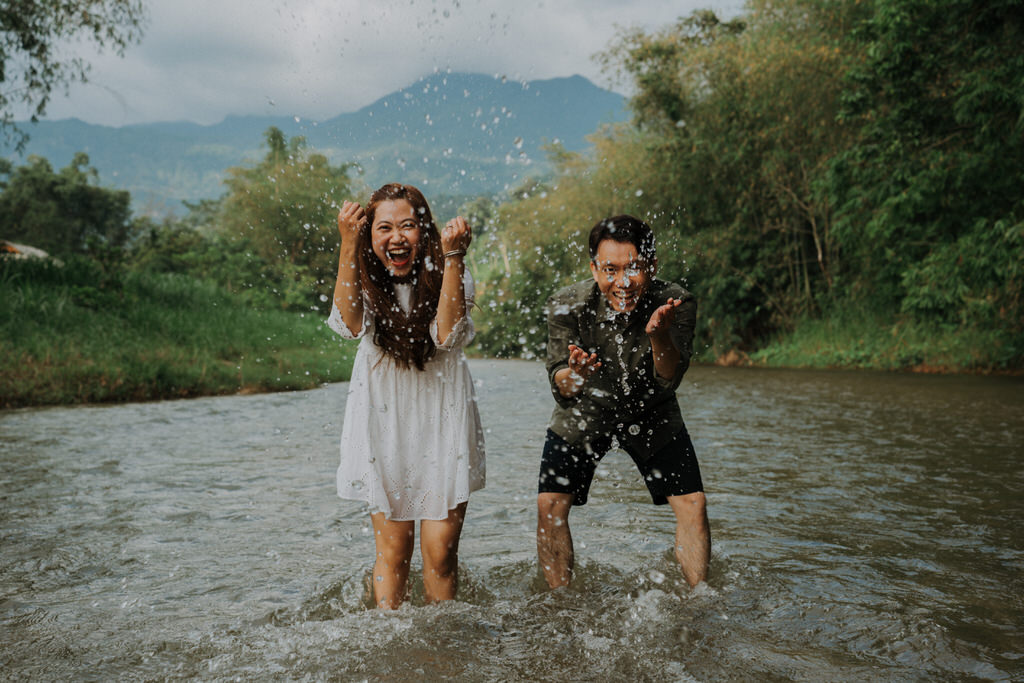
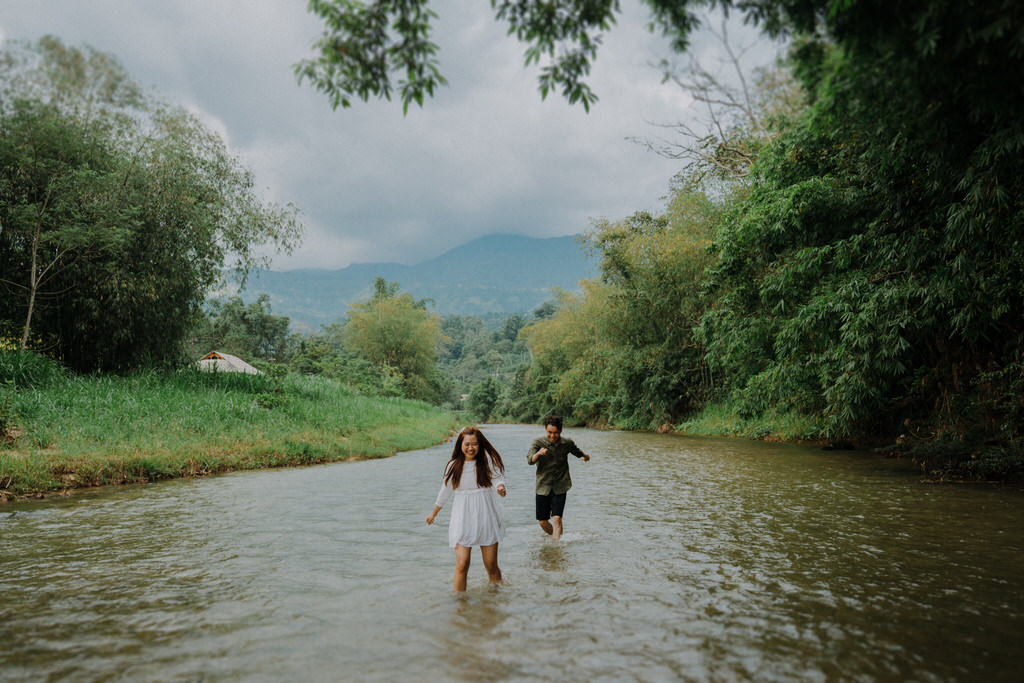
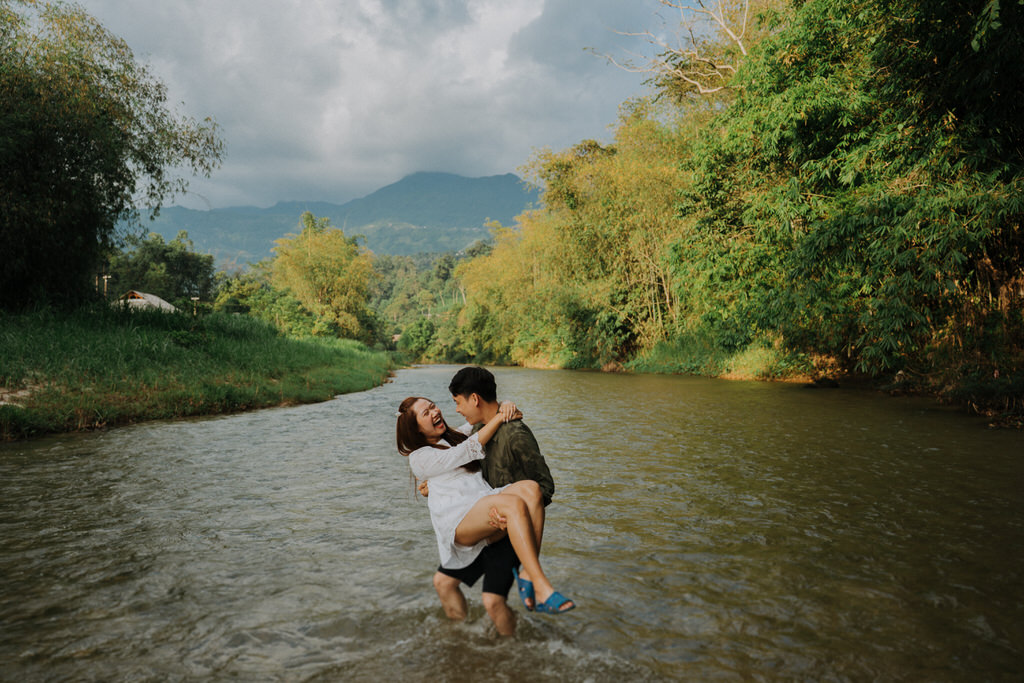
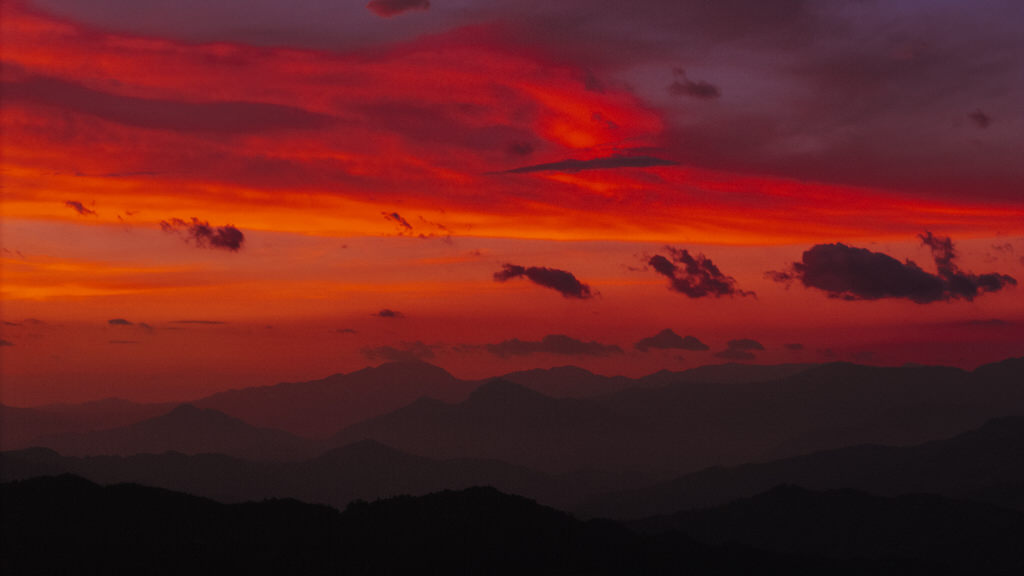
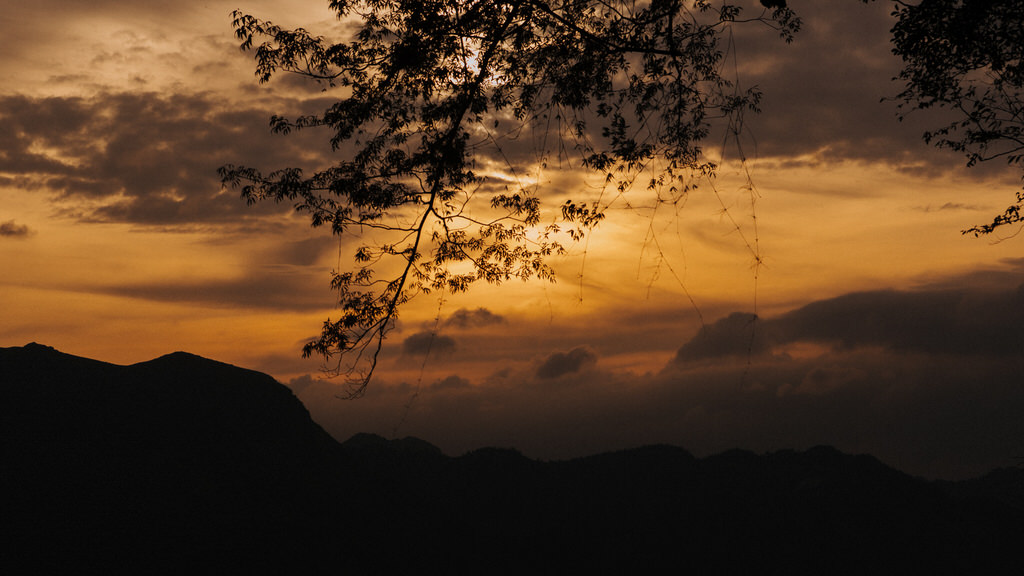
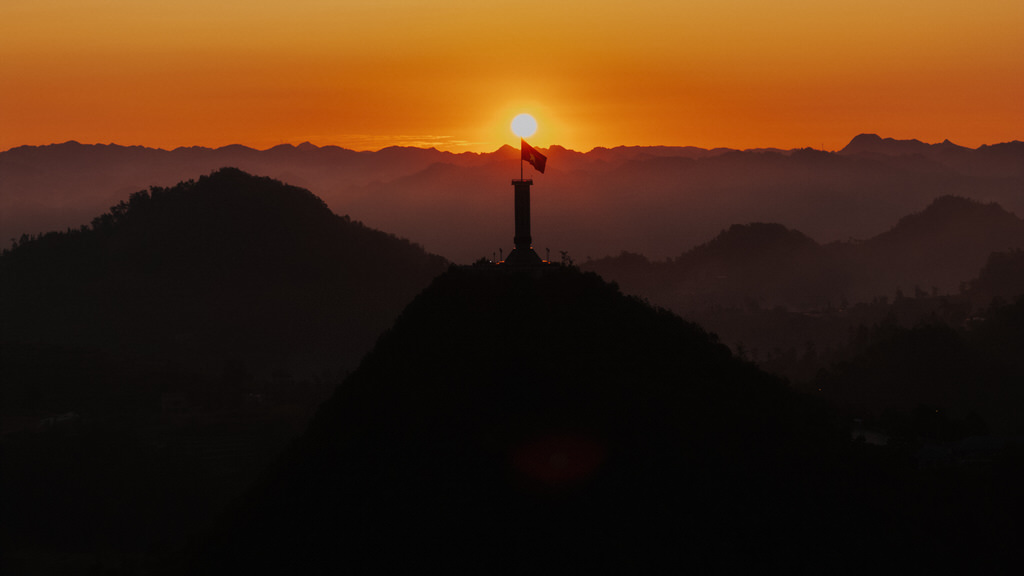
We crossed long, rugged roads, followed narrow trails around immense mountain ranges, and watched the sunrise beside the magnificent White Cliff. Together, we explored the culture of our homeland, learned about the lives and customs of highland communities, swam in streams and waterfalls, ate wherever we could, slept wherever the journey took us, and shared every emotion along nine days in Vietnam’s far north.
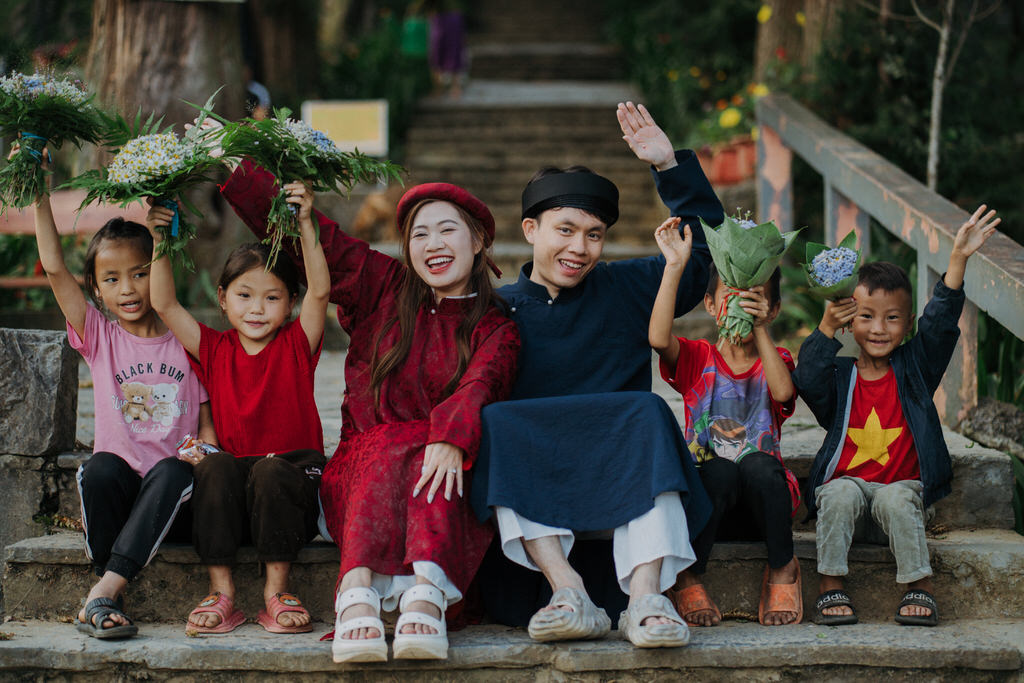
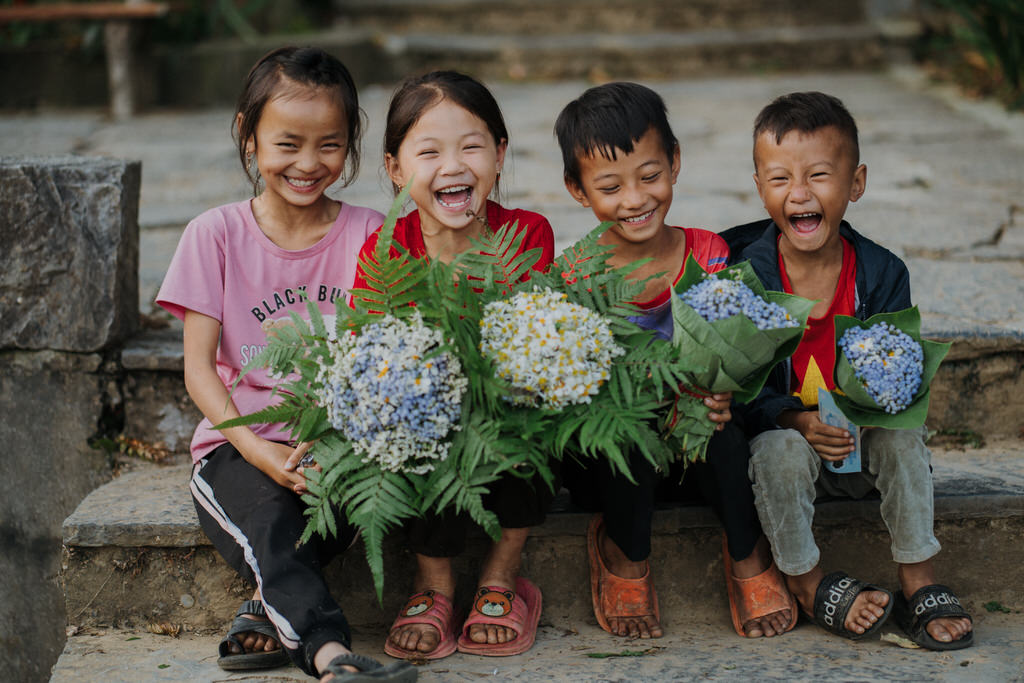
We remember the local meals so delicious that someone would inevitably exclaim, “This is happiness!” We remember simple mountain dishes, teasing jokes and long conversations around the table in the chilly air. We remember the village where we stayed, the home of the Quấy Homestay family, and the innocent children from that little neighbourhood. We remember so much.
Over nine days, we travelled approximately 1,400 kilometres across steep, uneven roads, including stretches affected by landslides. Our journey began in Hanoi, took us to Ninh Binh and back to Hanoi, and then, after one night’s rest, we set off at 3 a.m. towards Vietnam’s northern frontier.
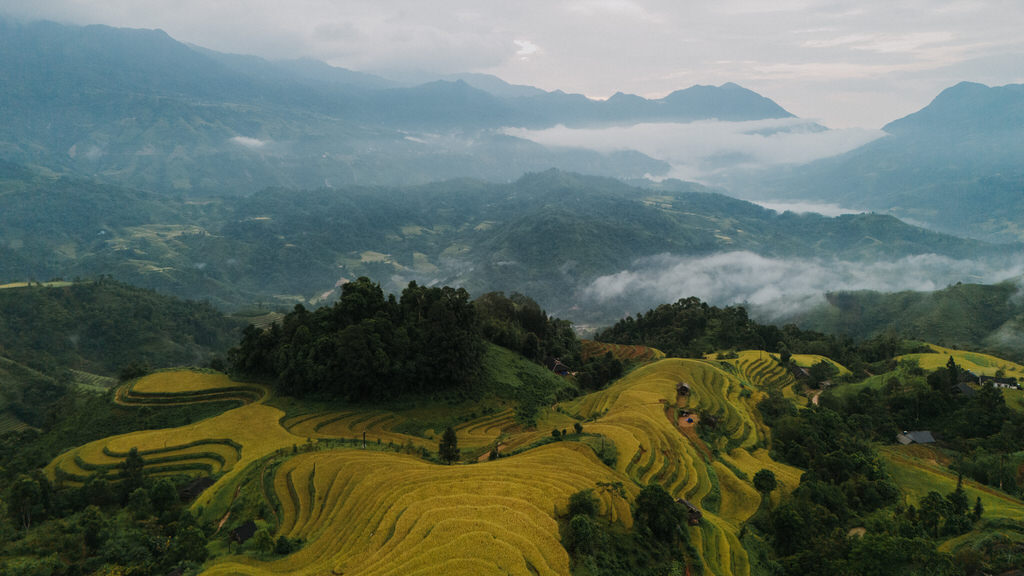
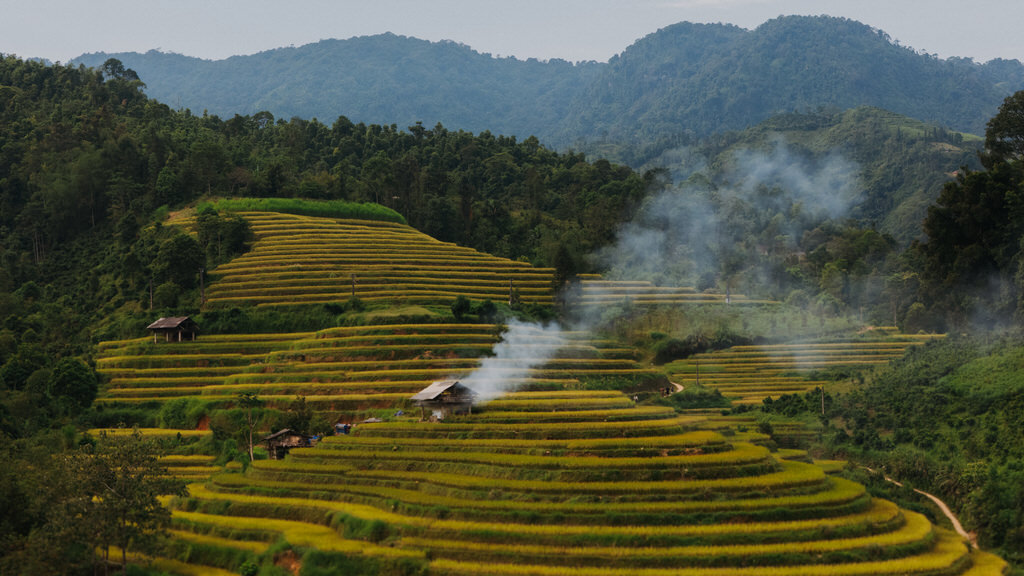
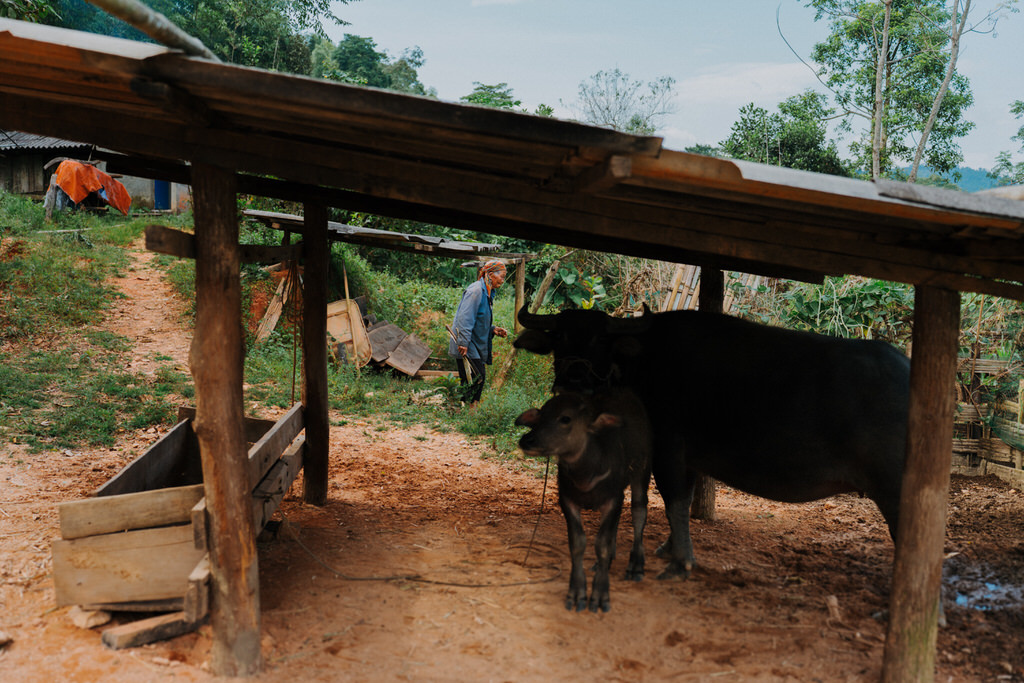
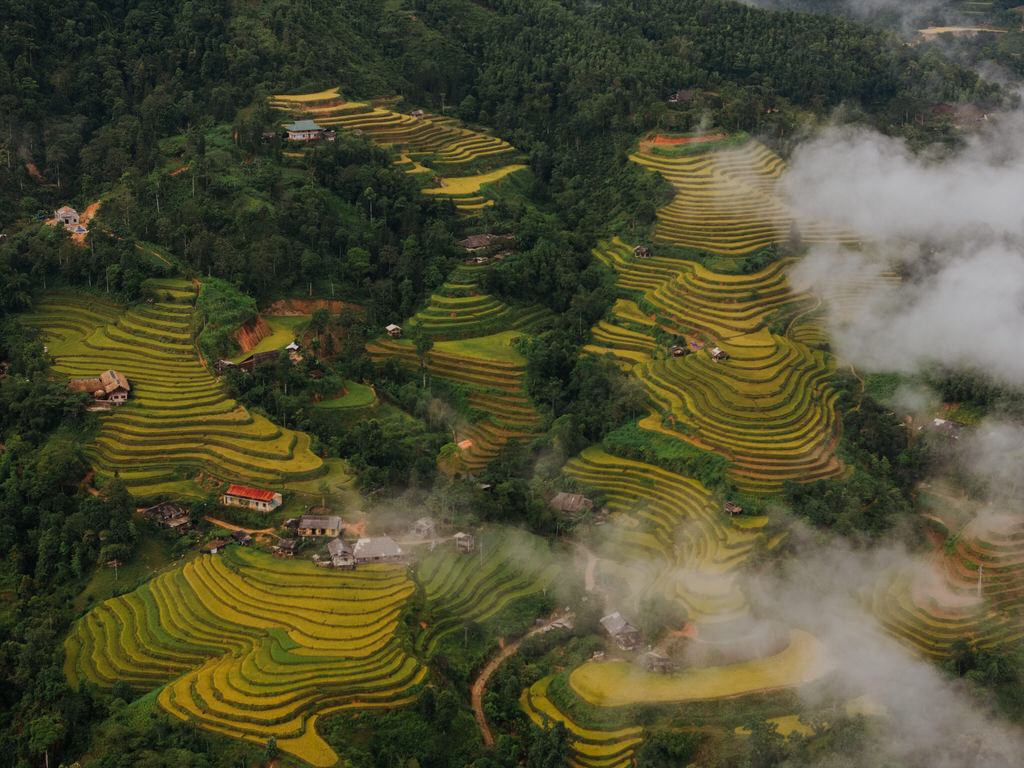
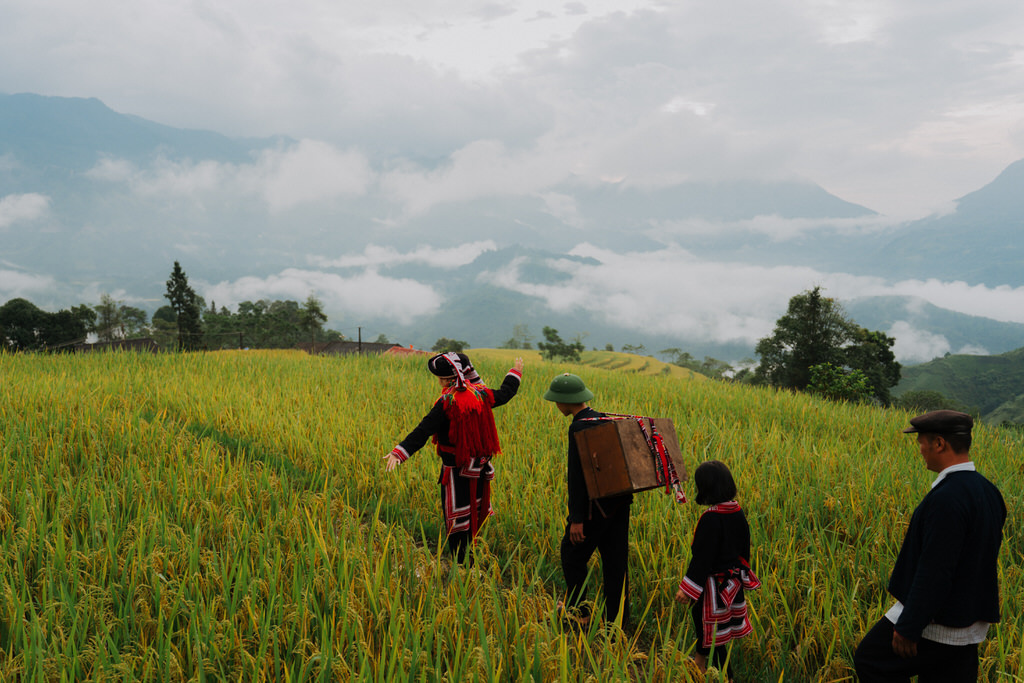
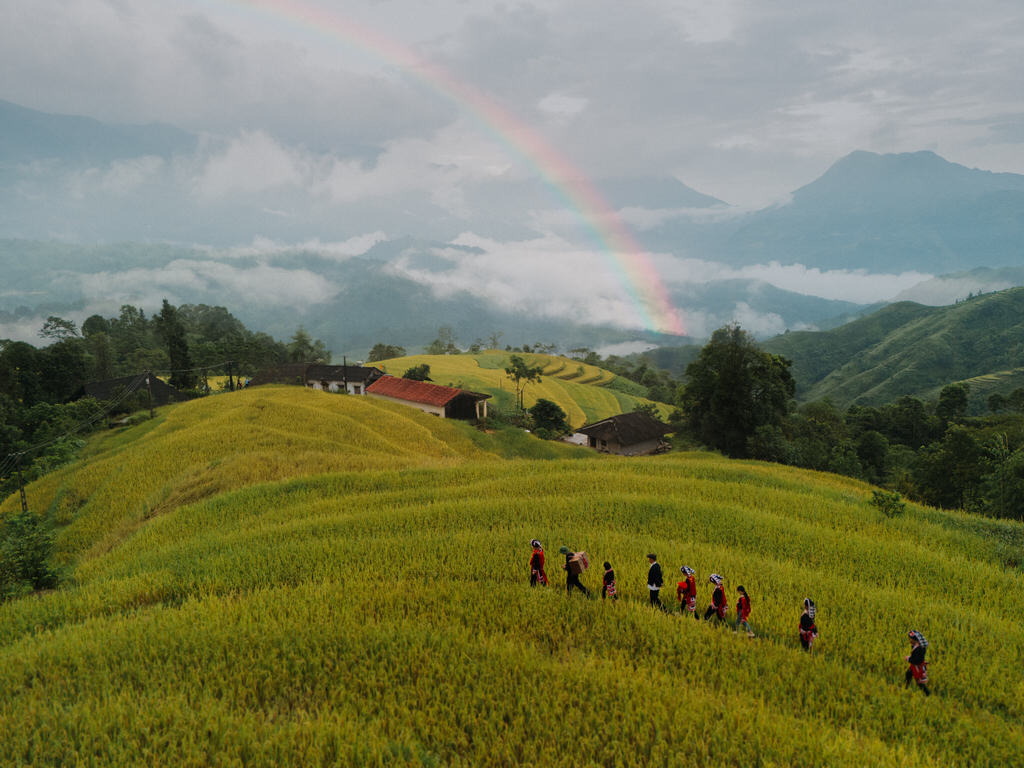
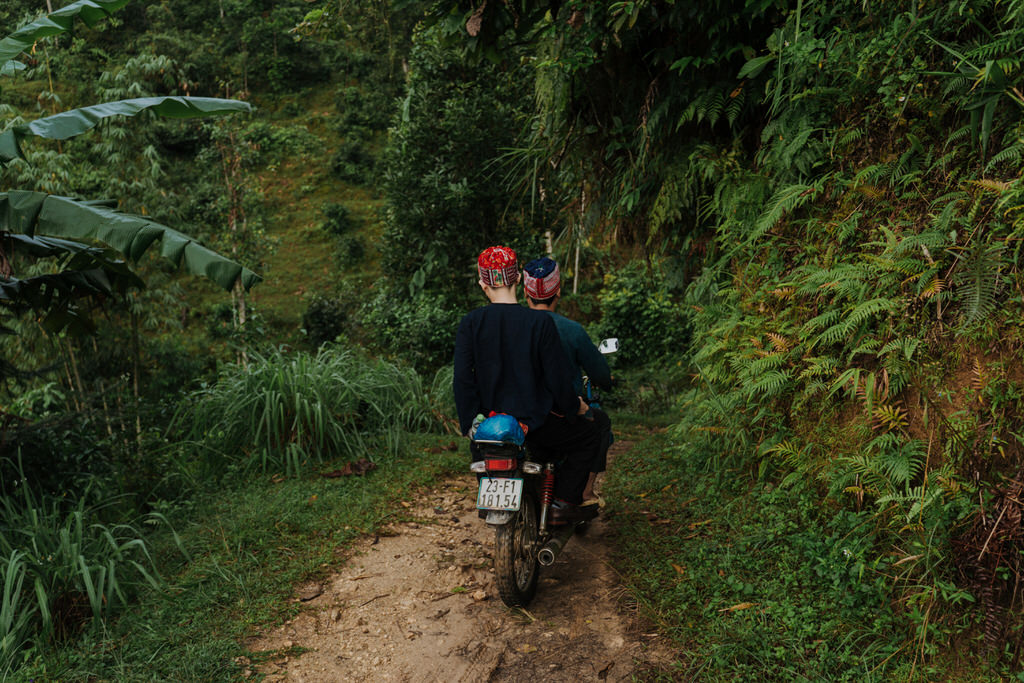
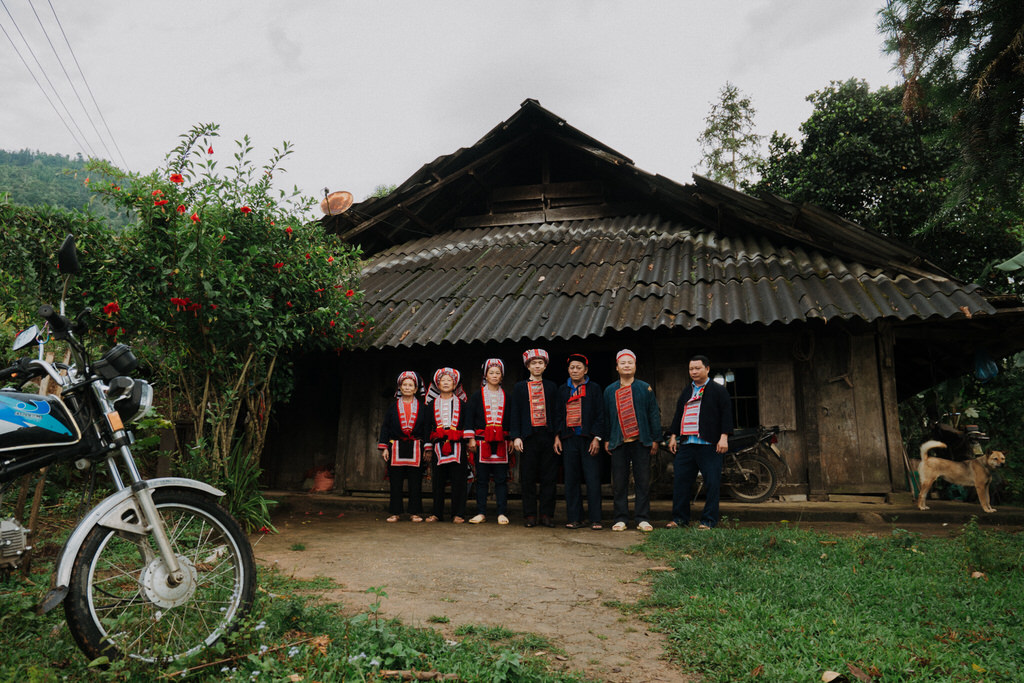
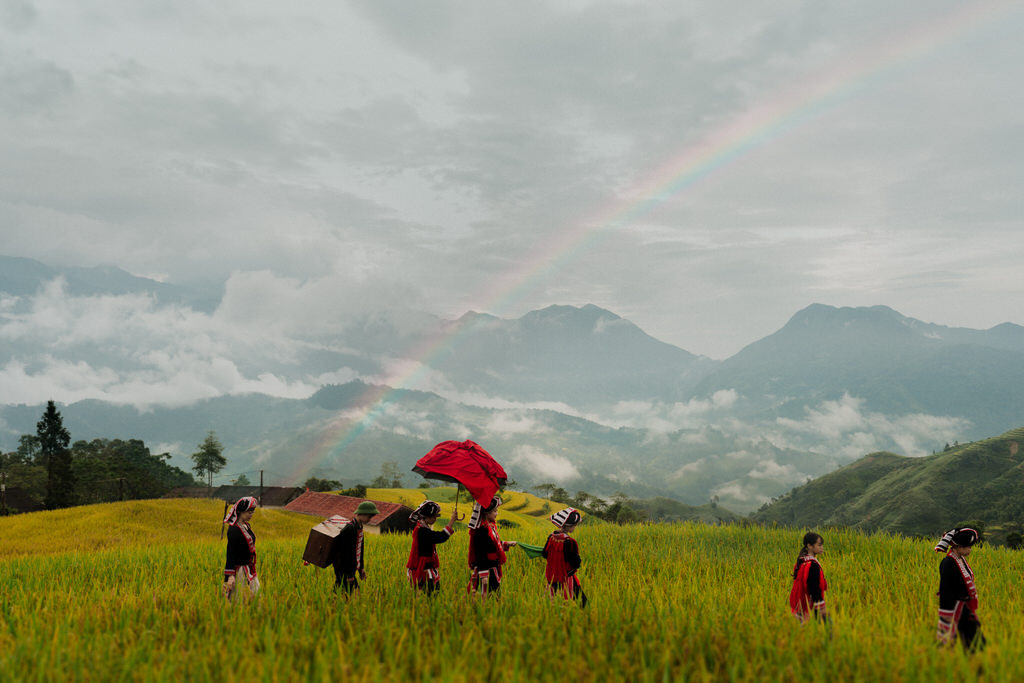
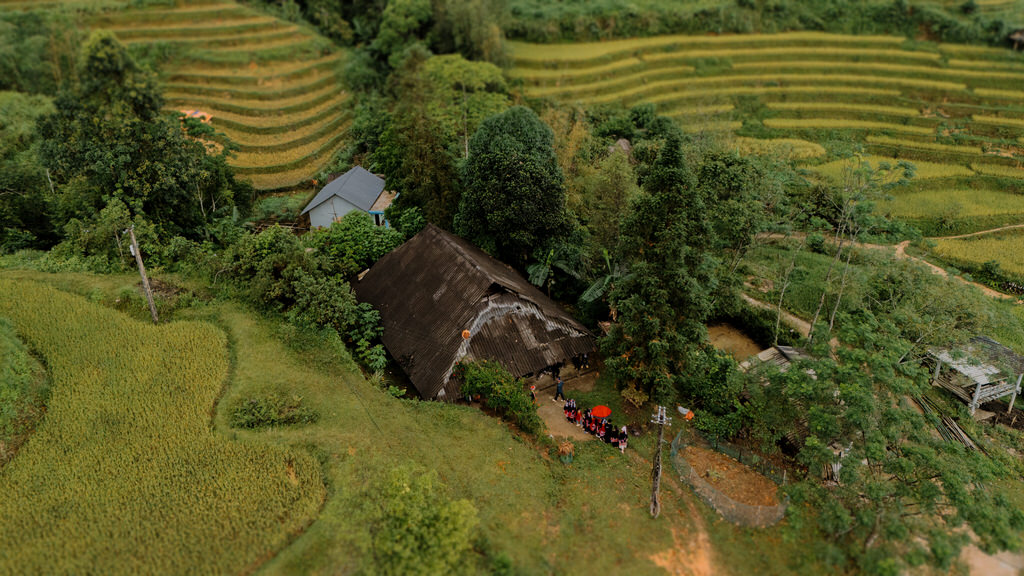
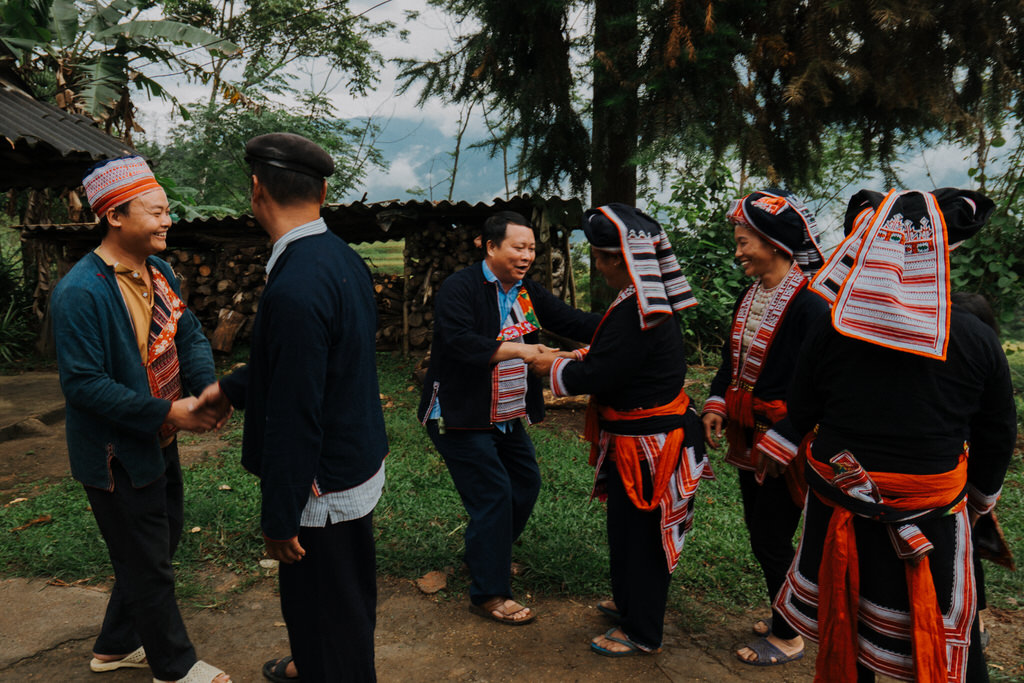
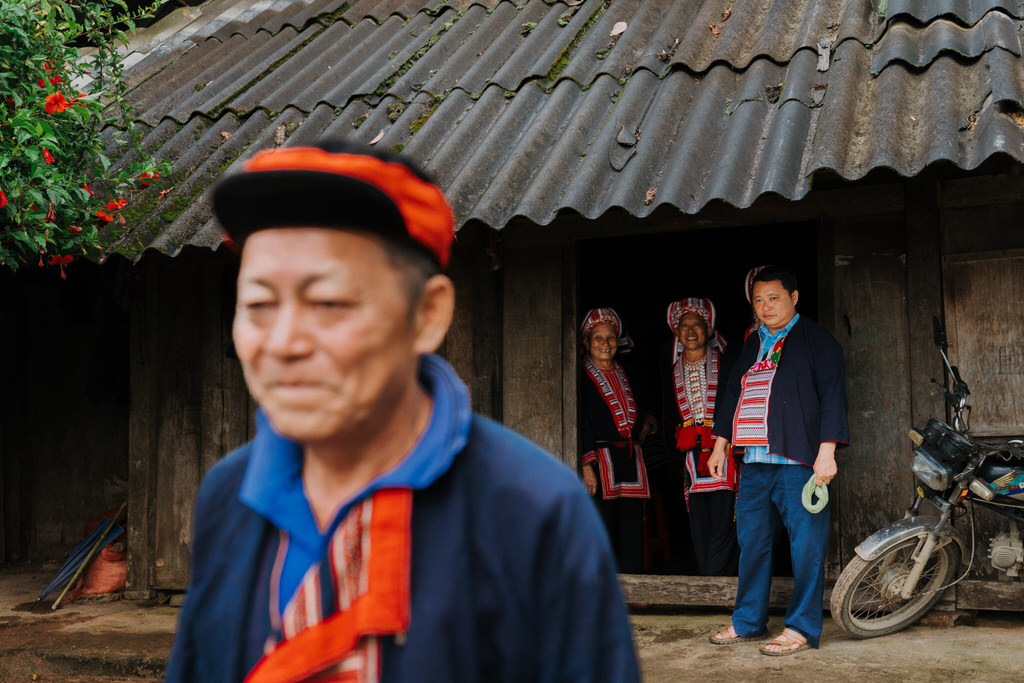
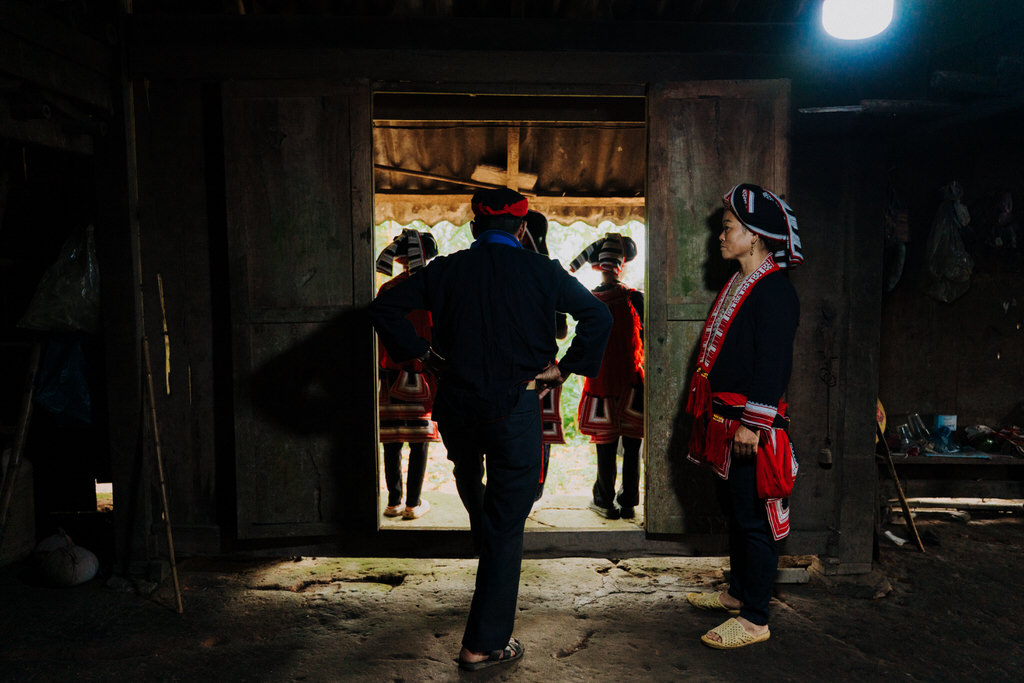
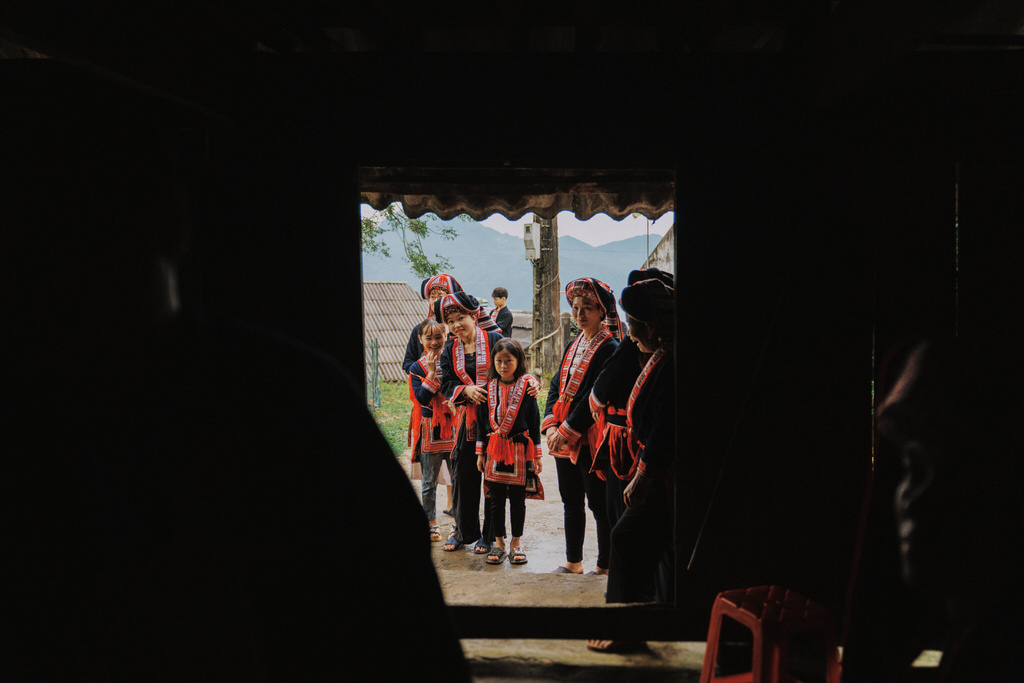
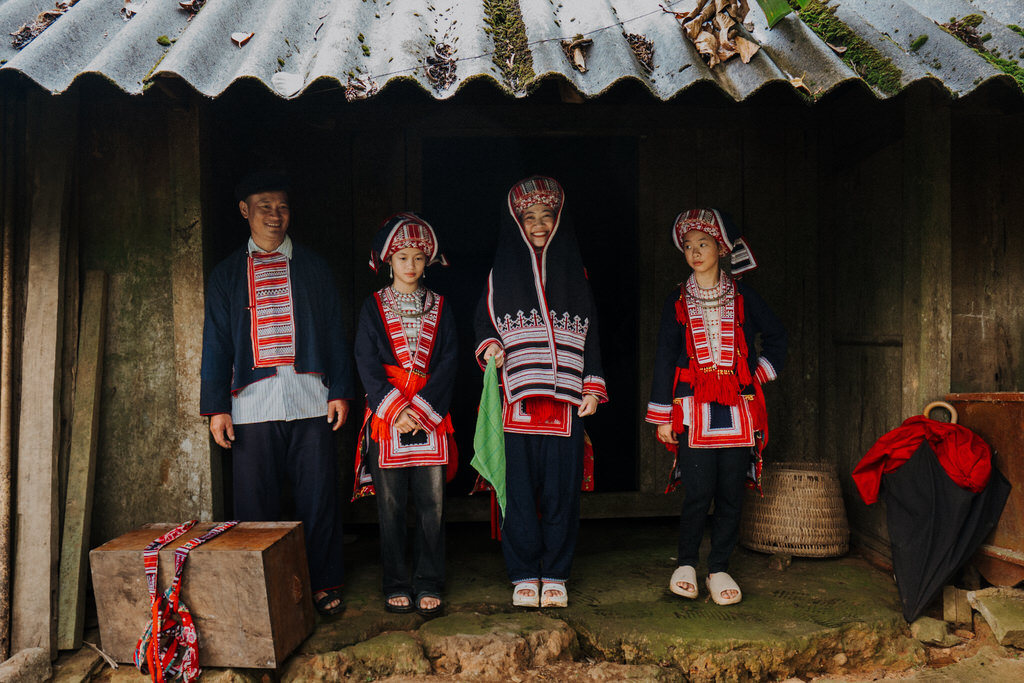
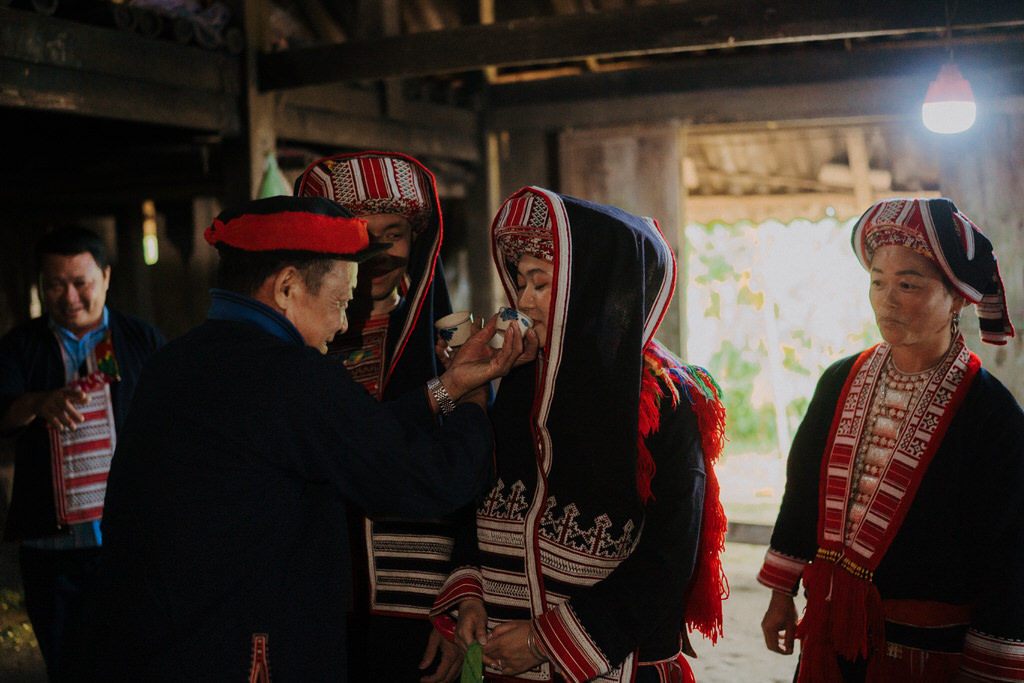
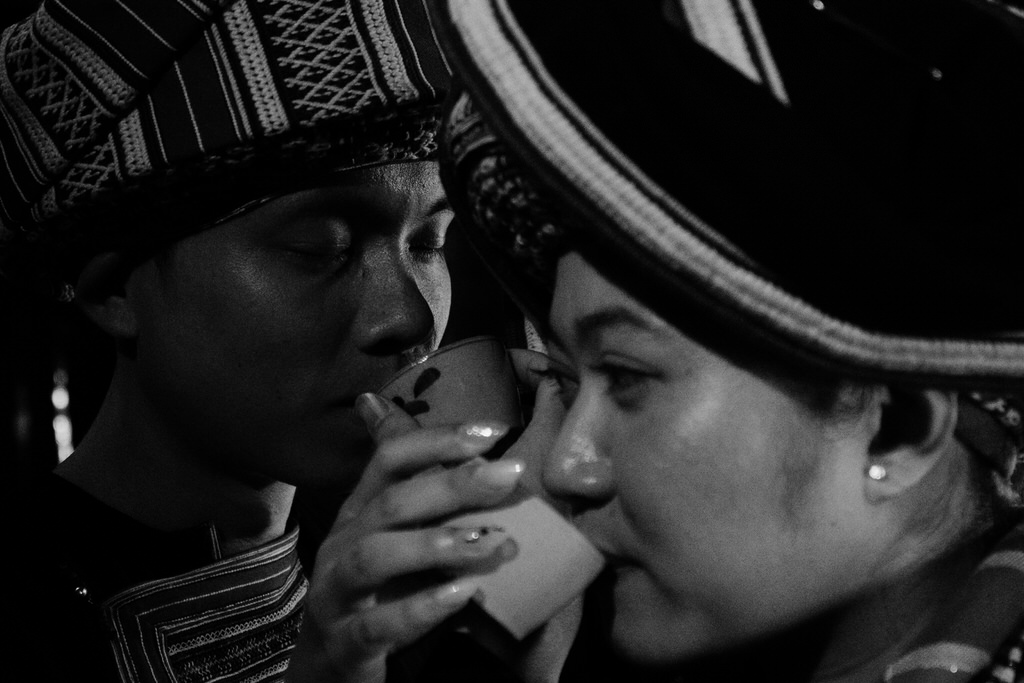
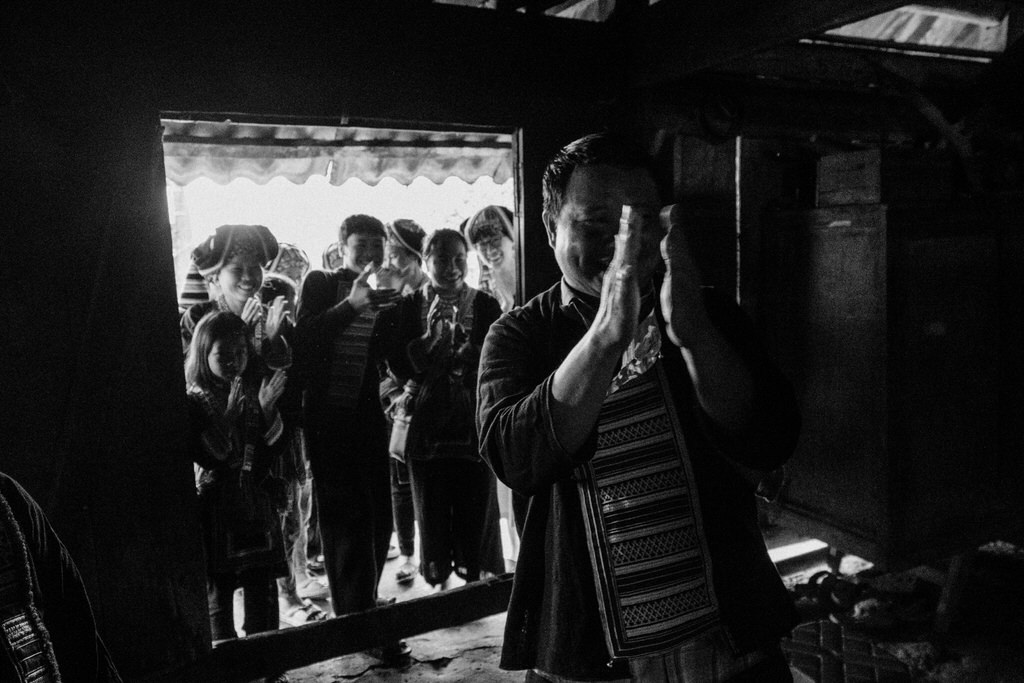
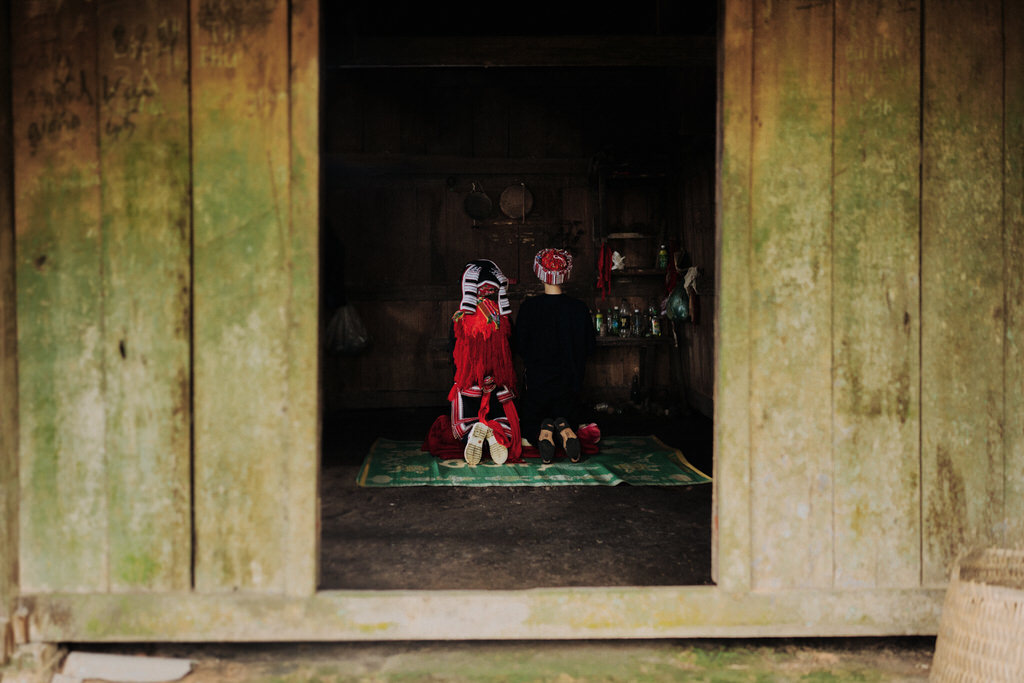
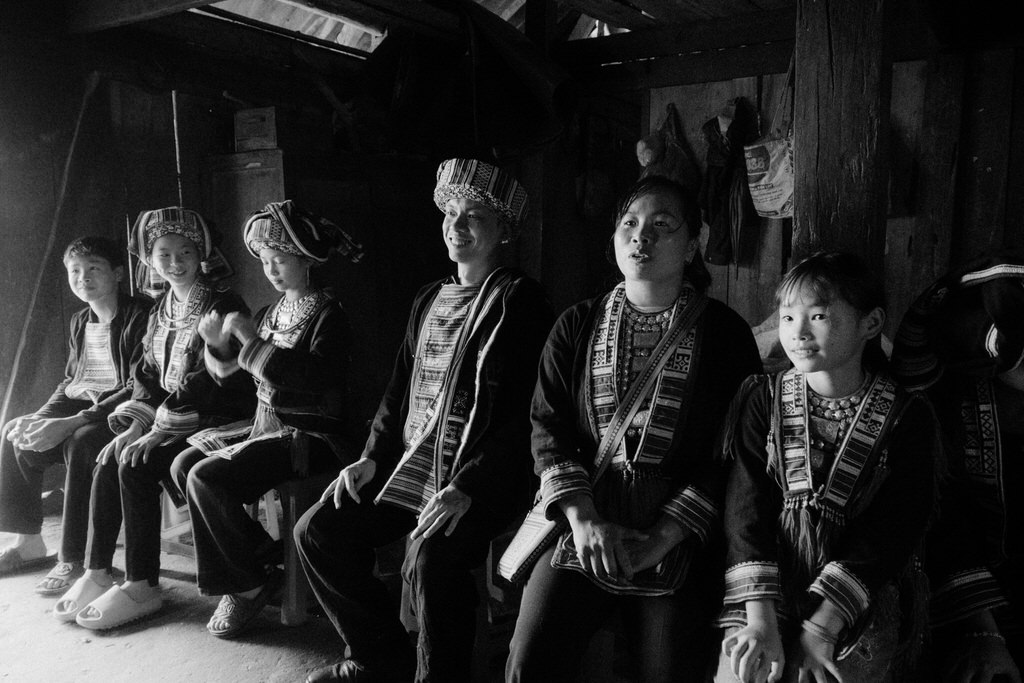
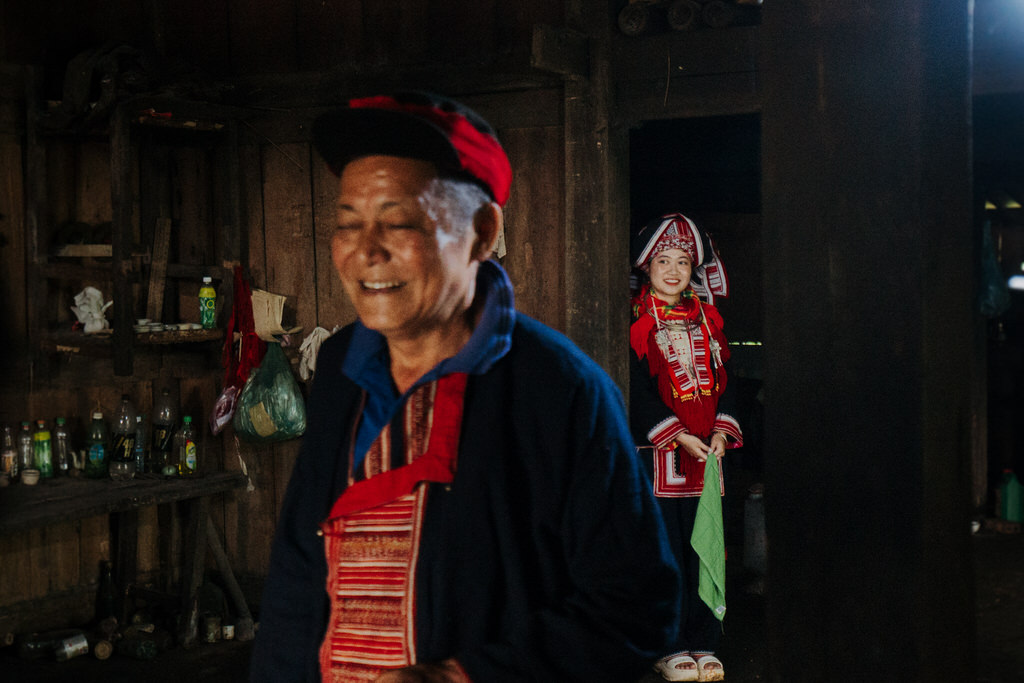
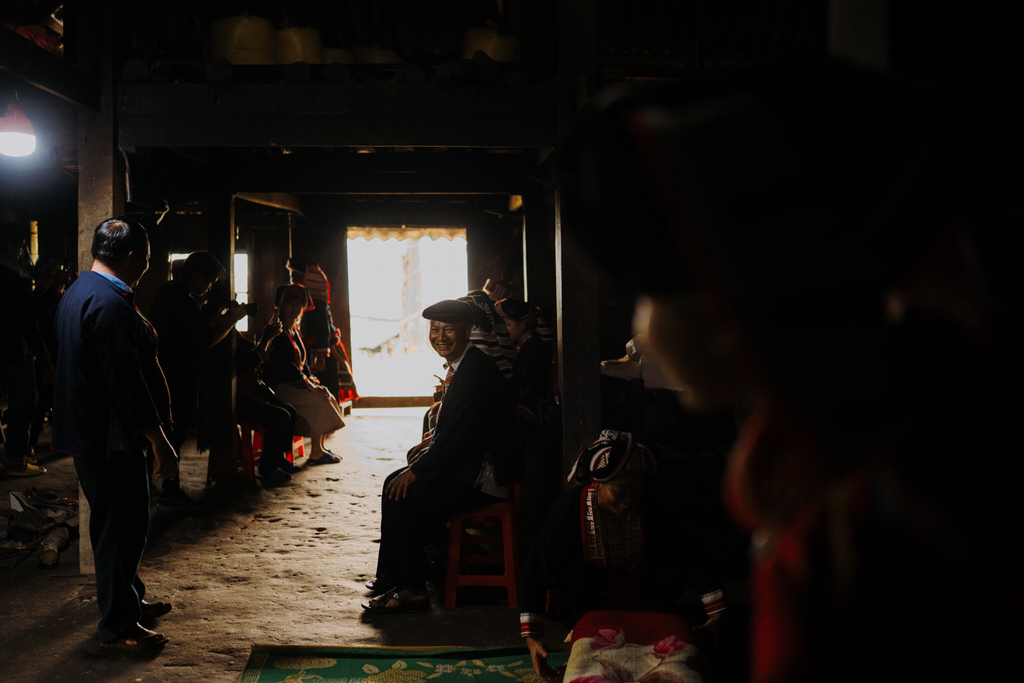
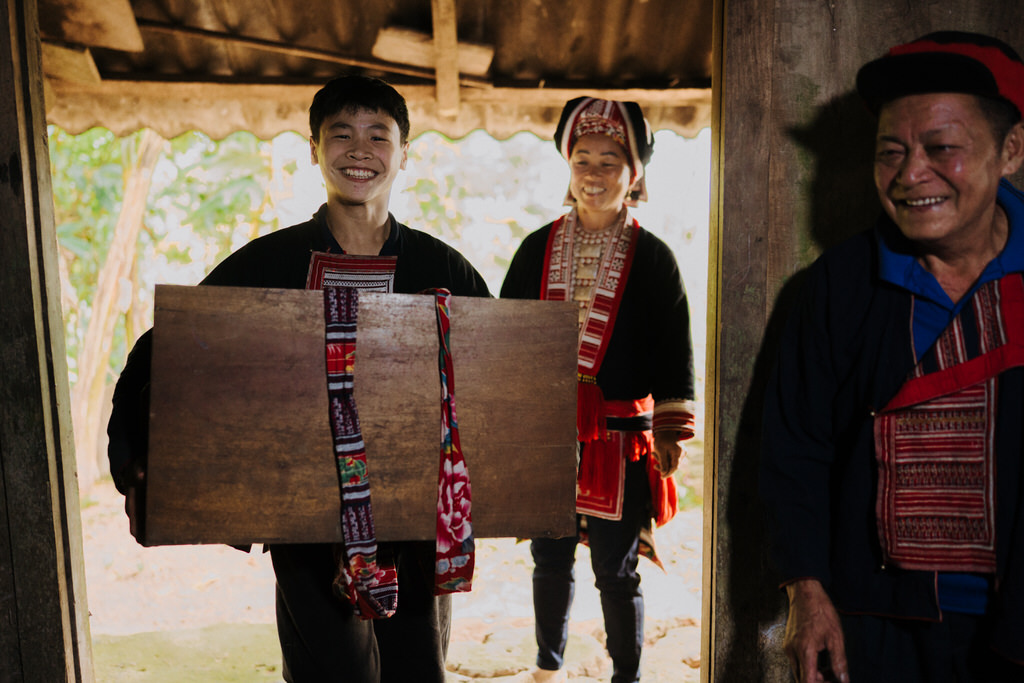
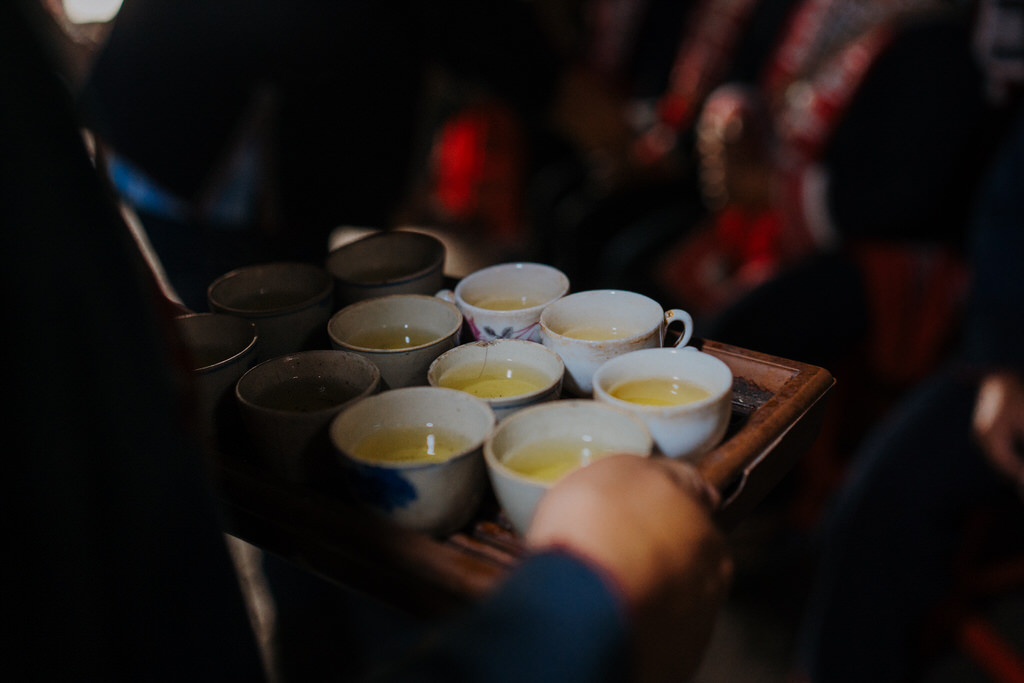
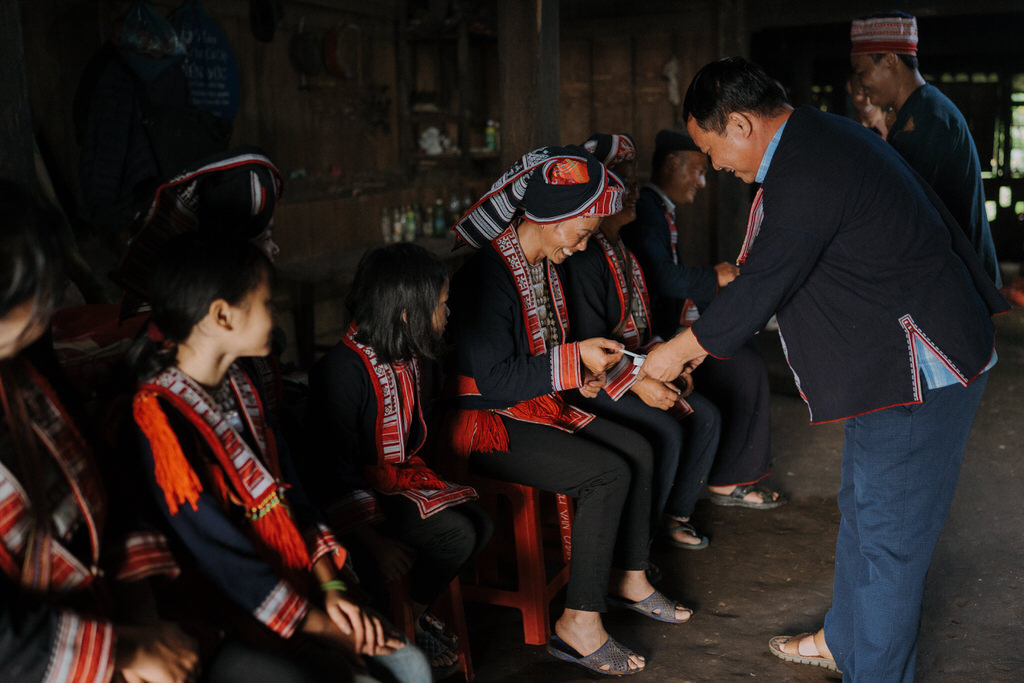
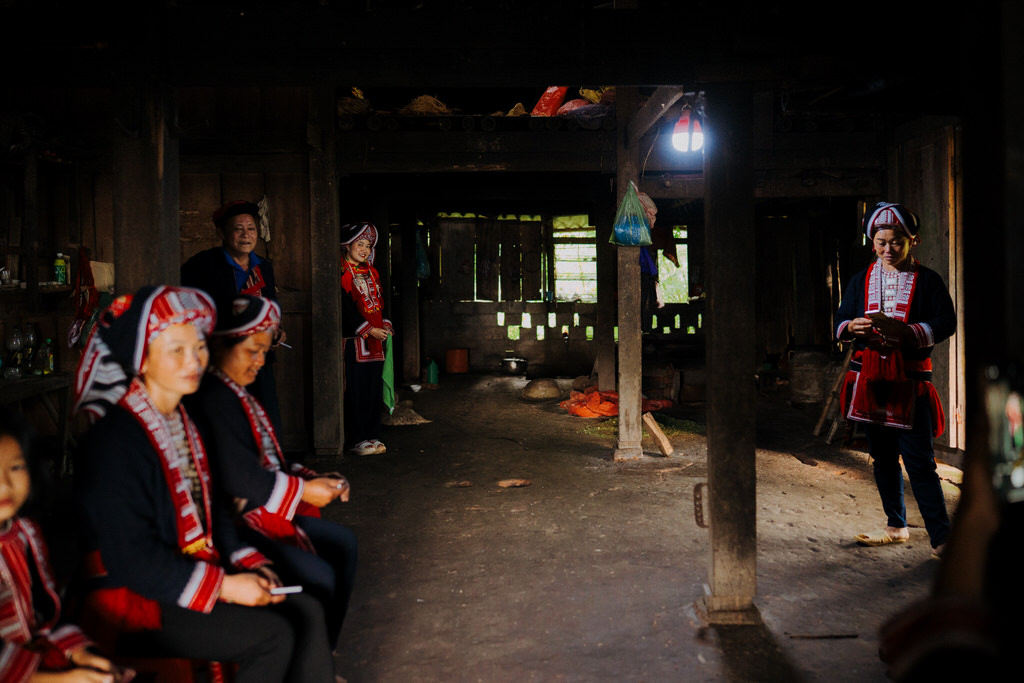
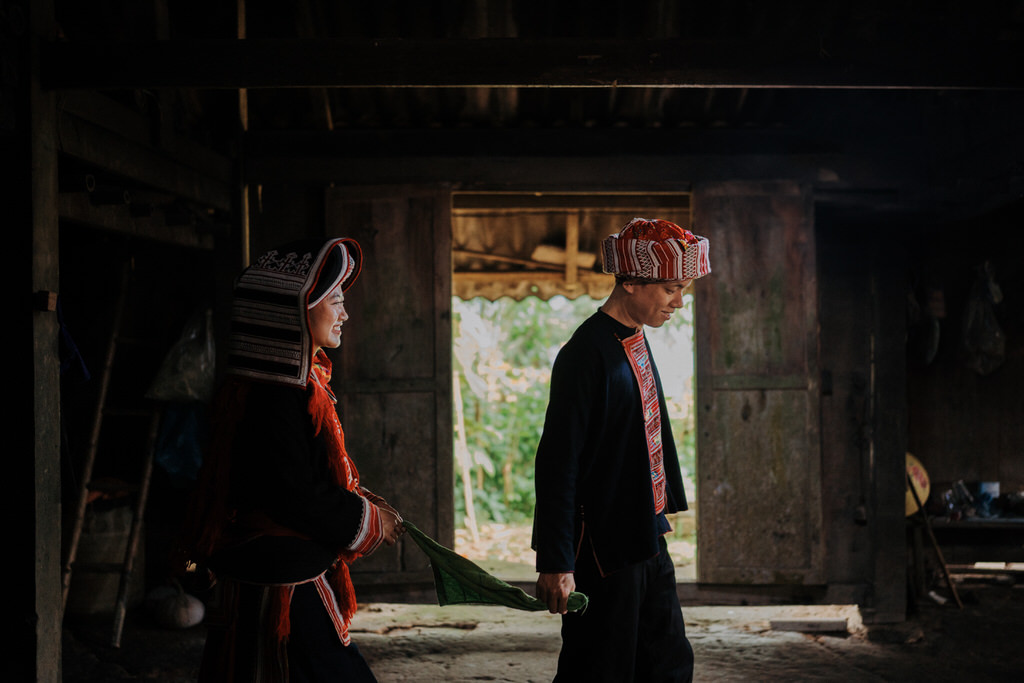
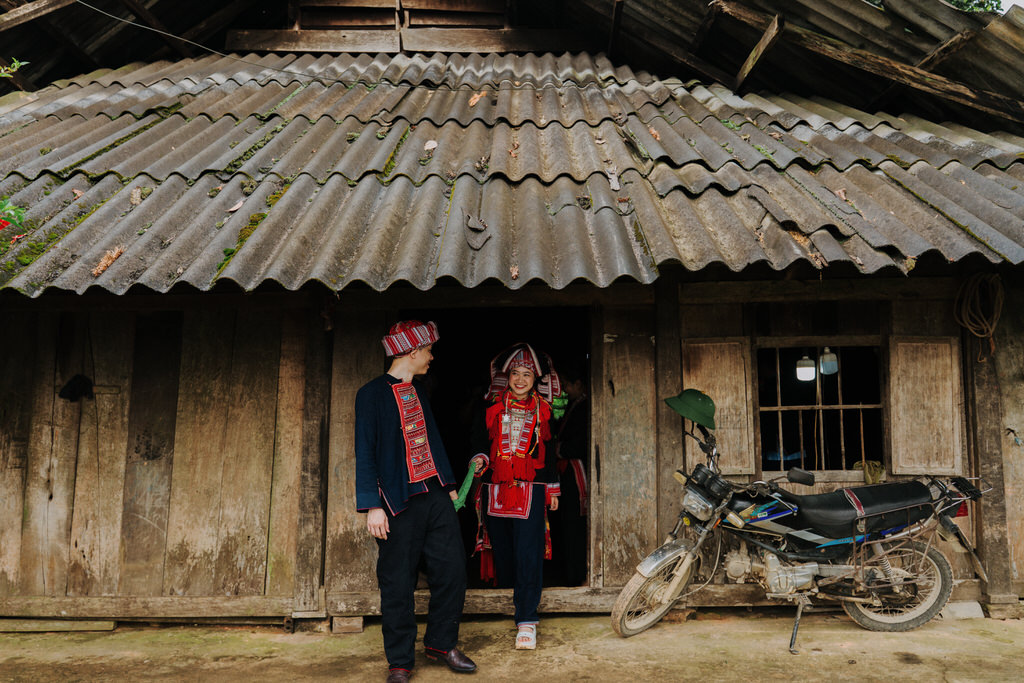
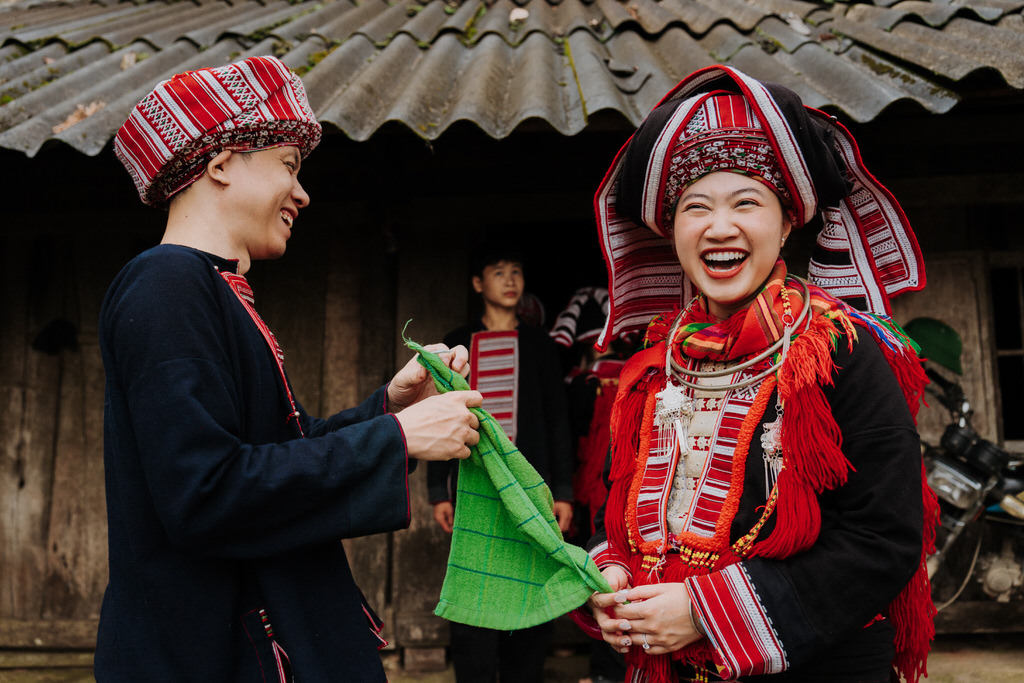
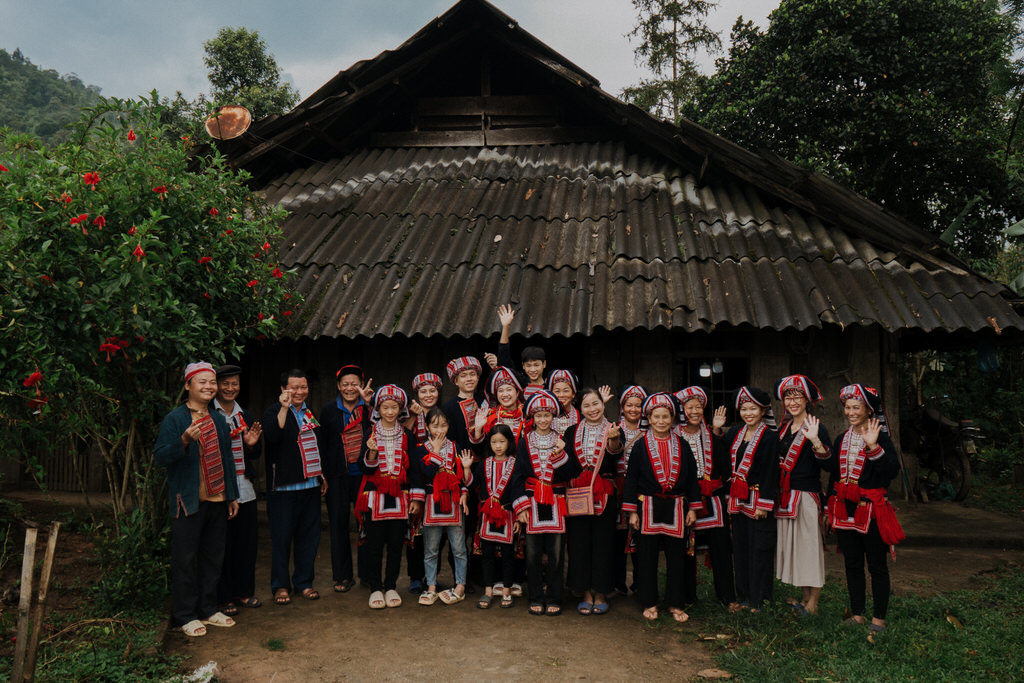
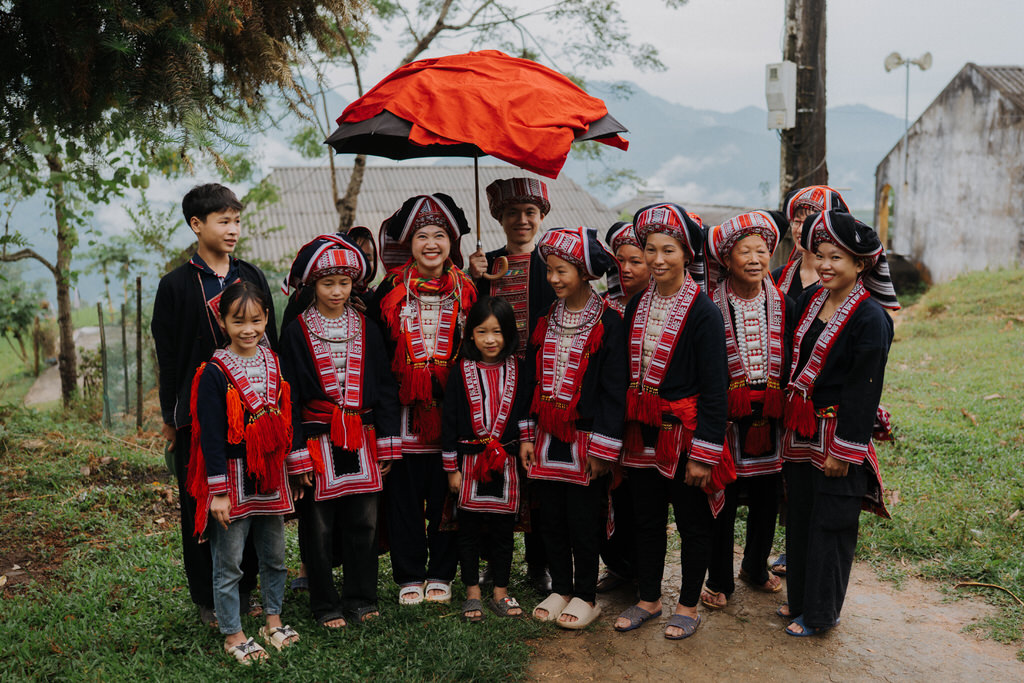
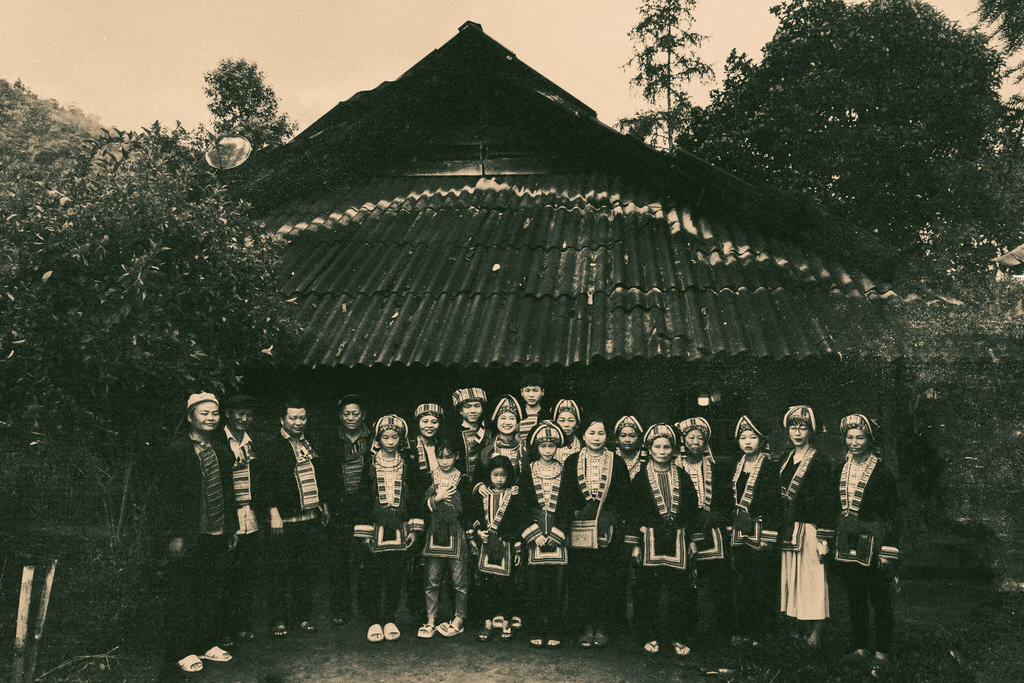
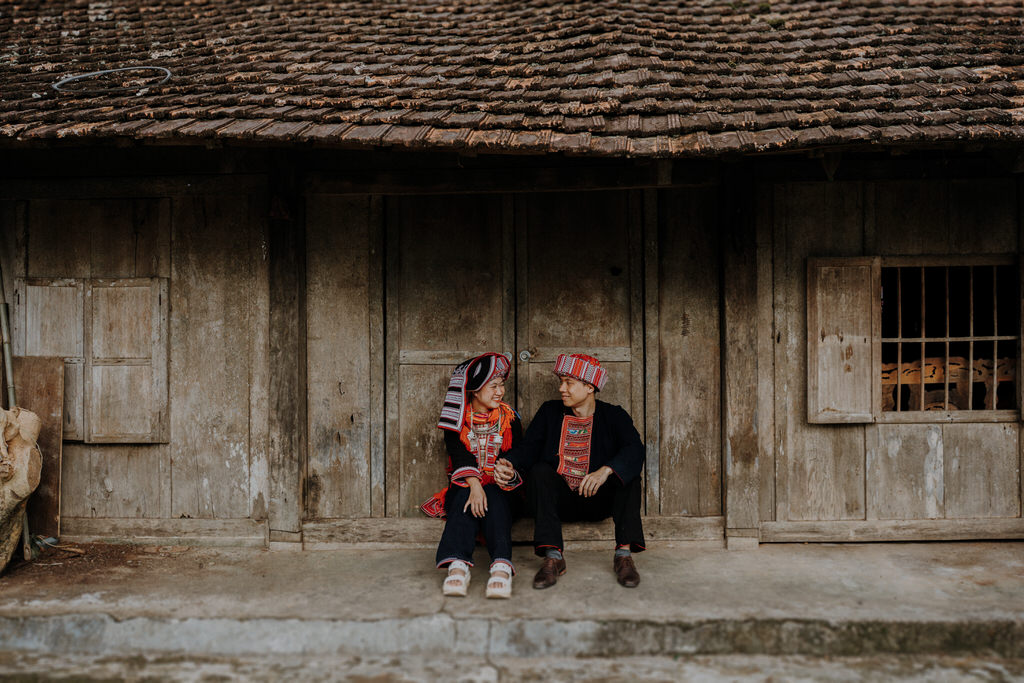
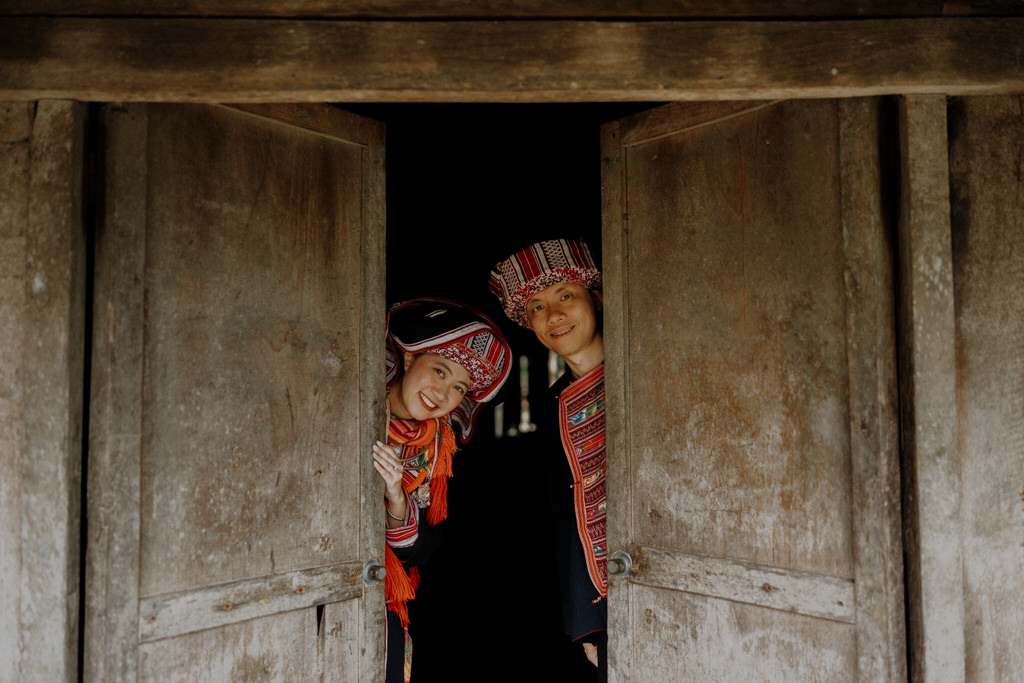
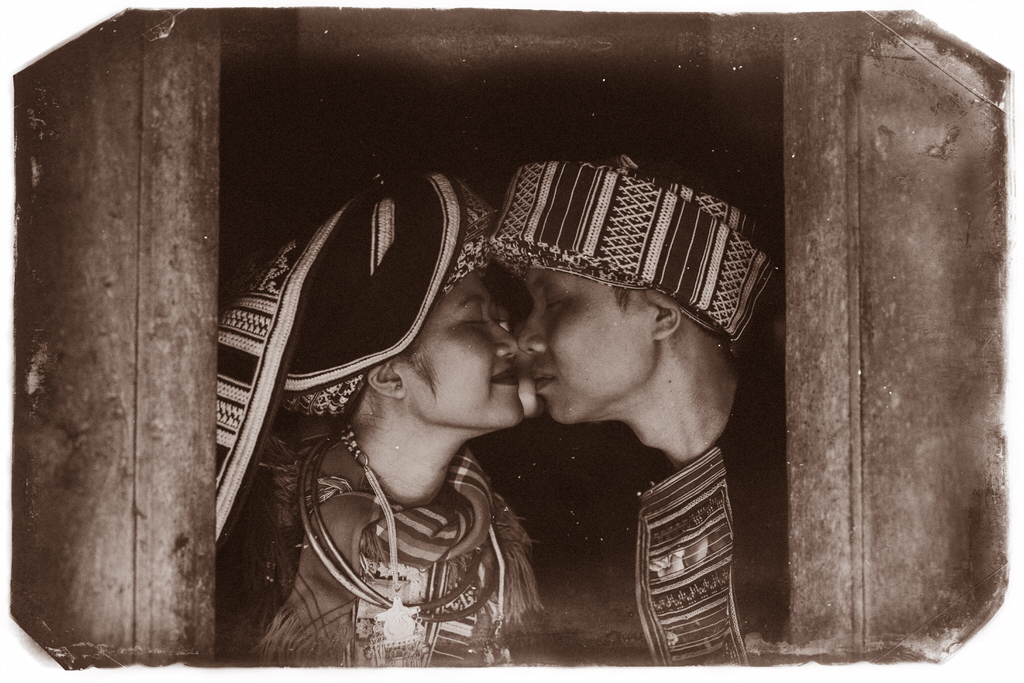
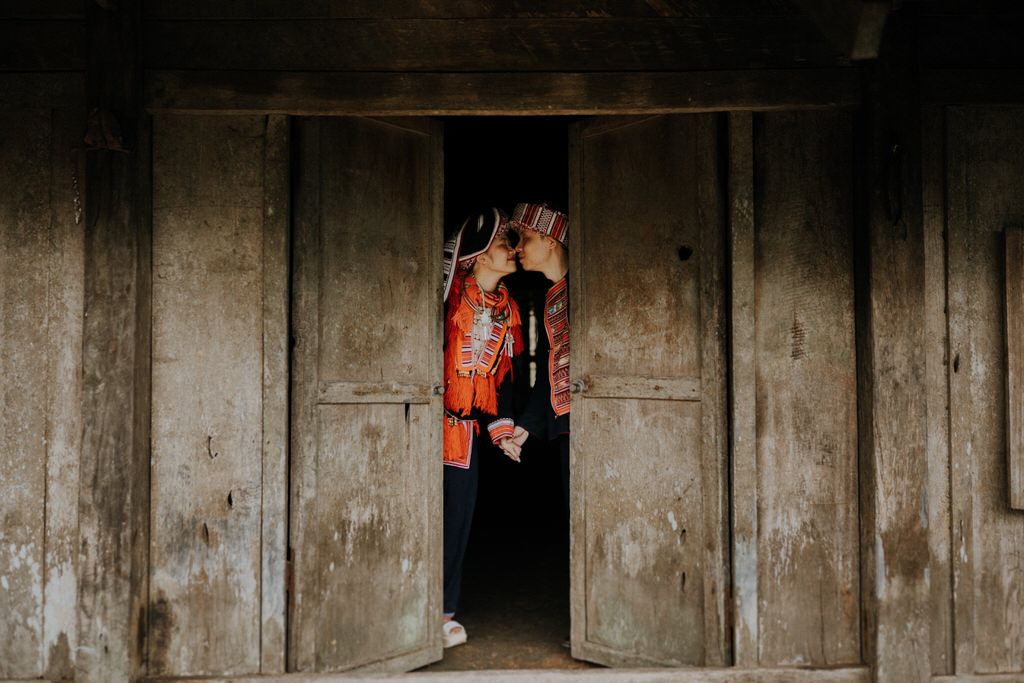
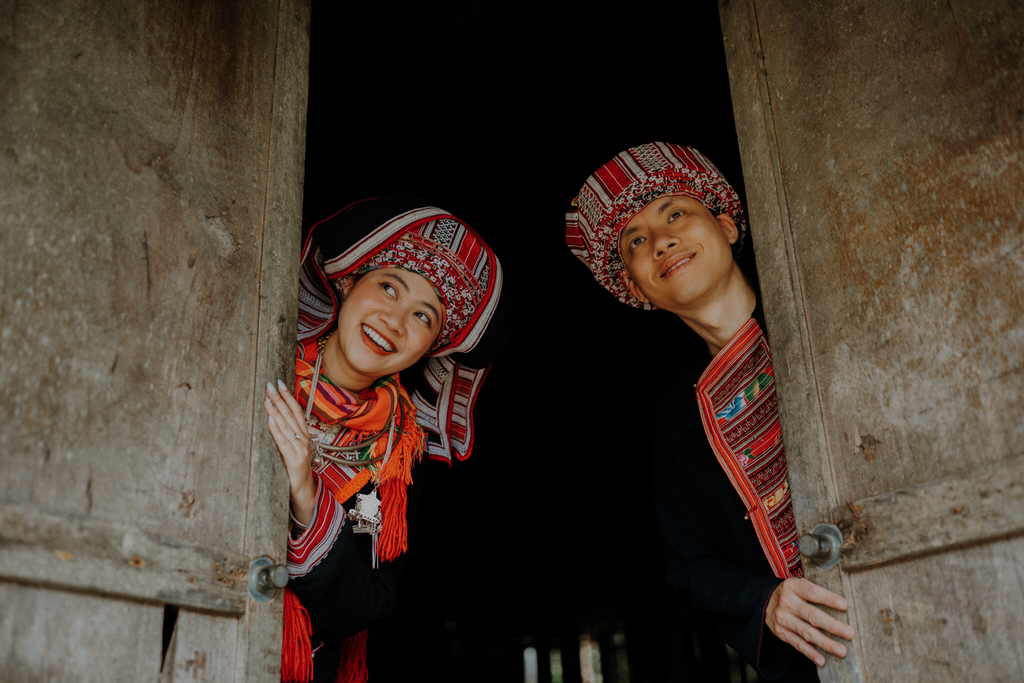
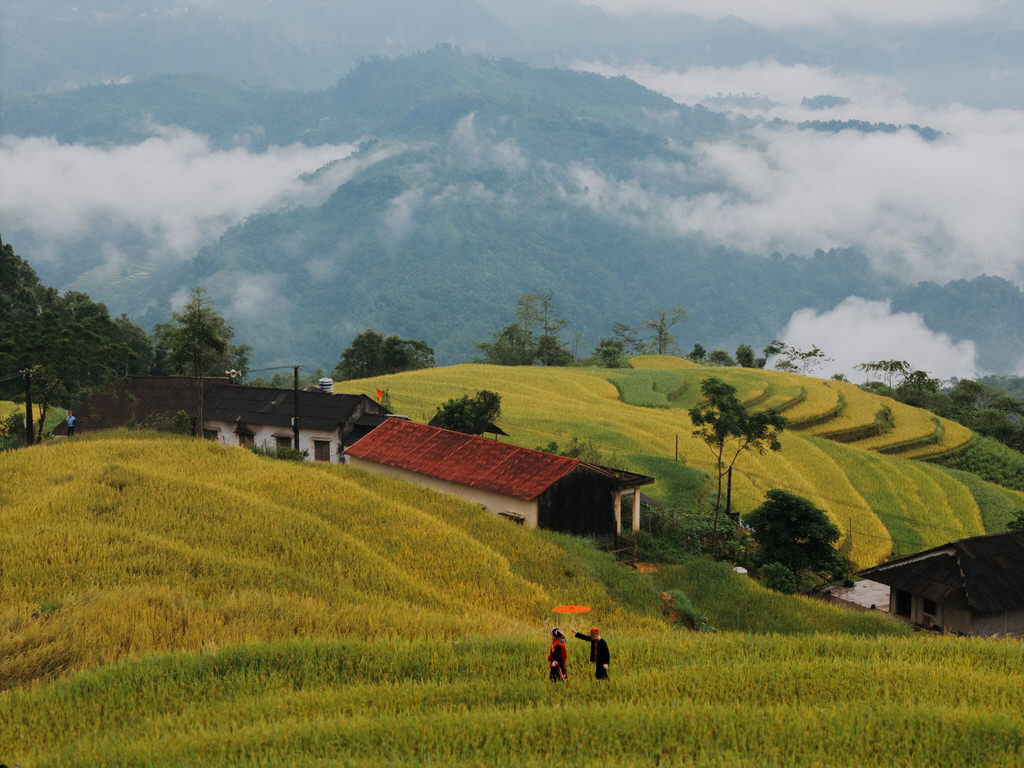
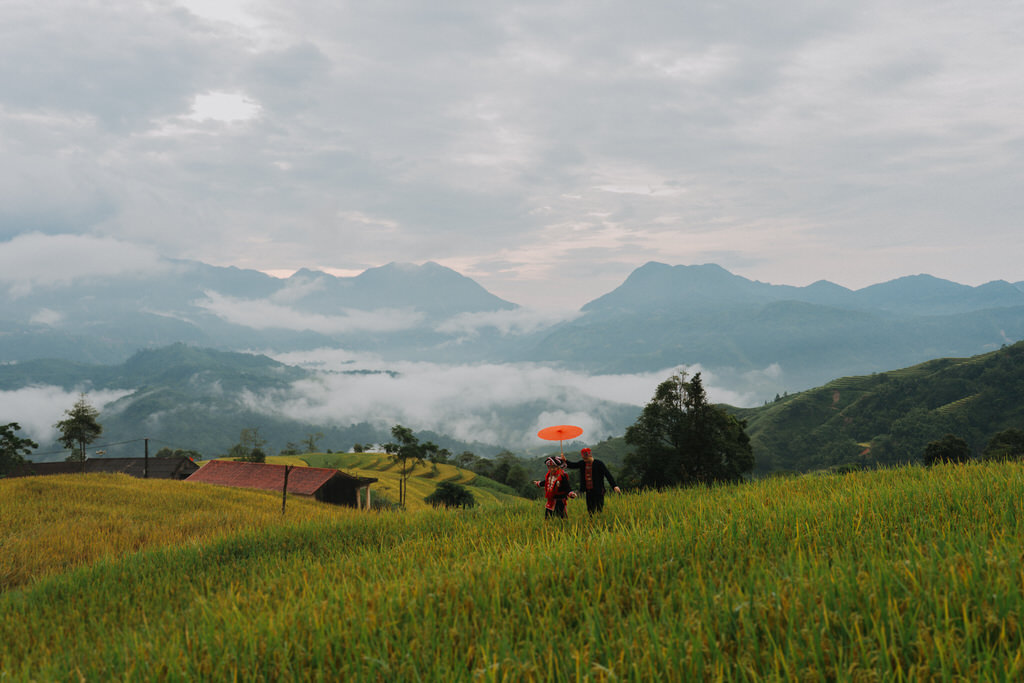
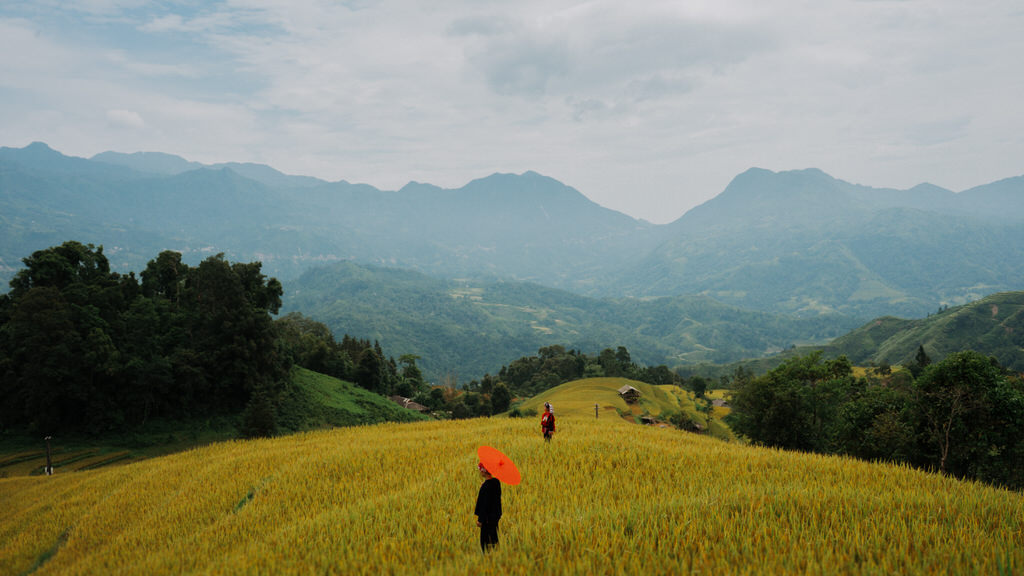
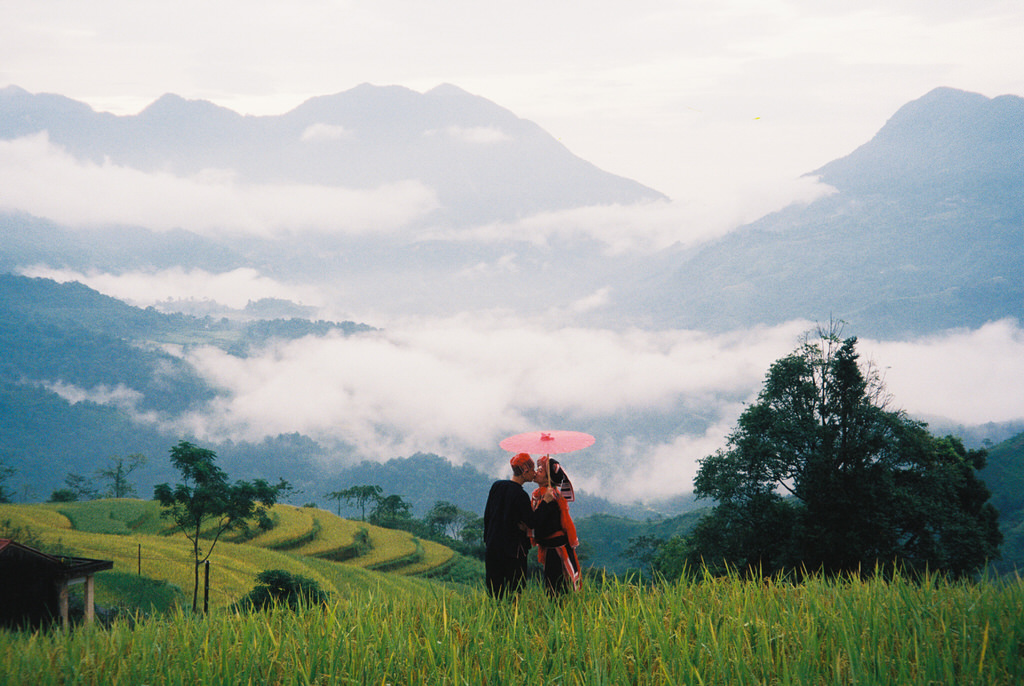
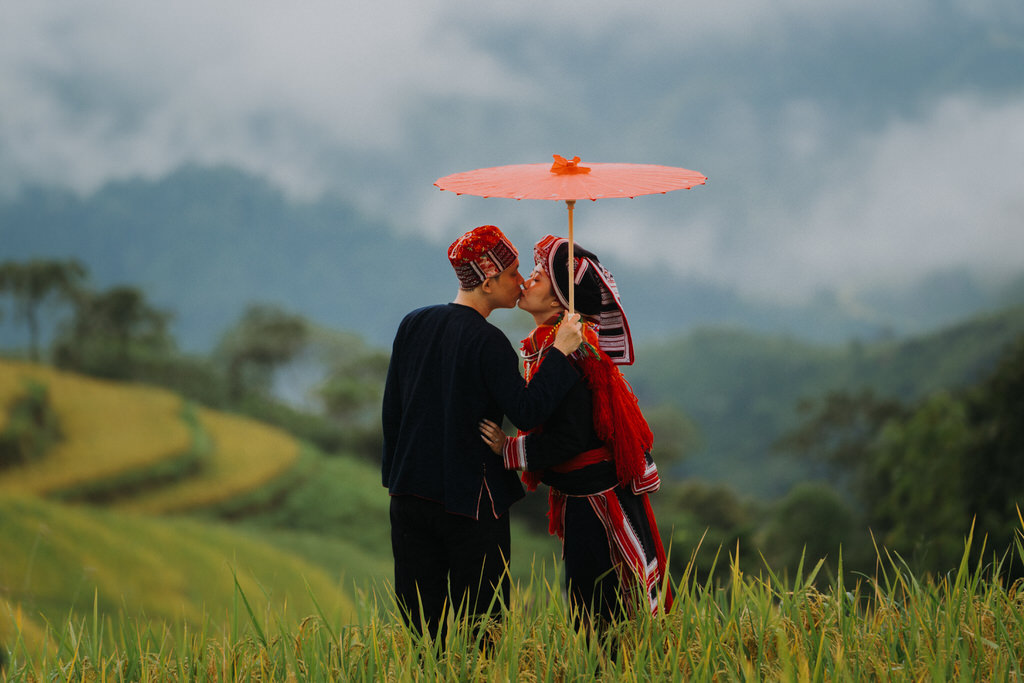
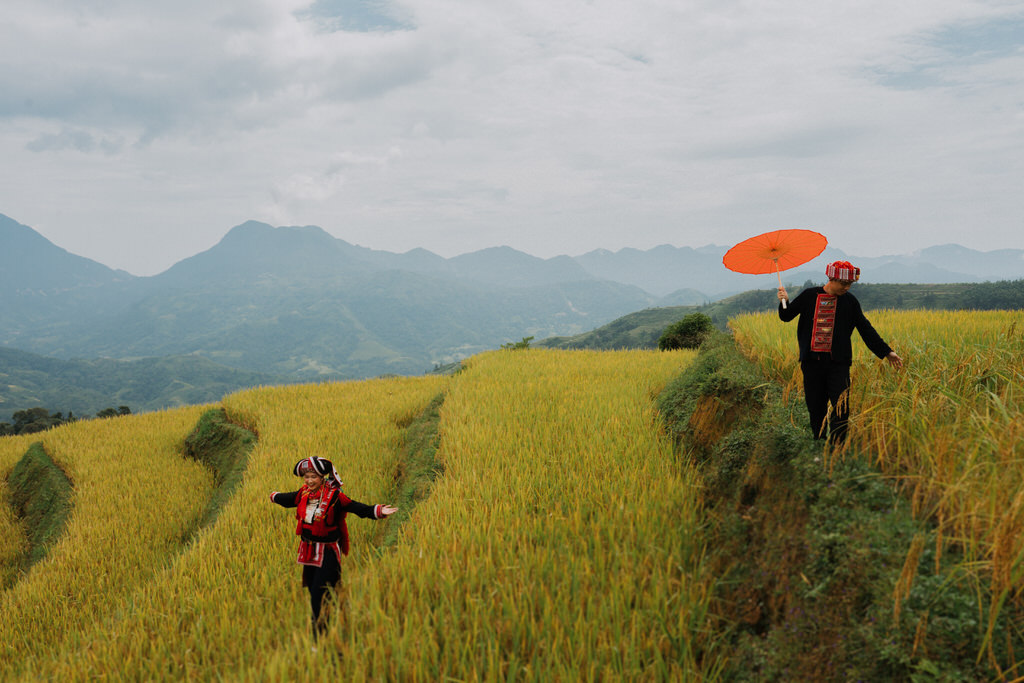
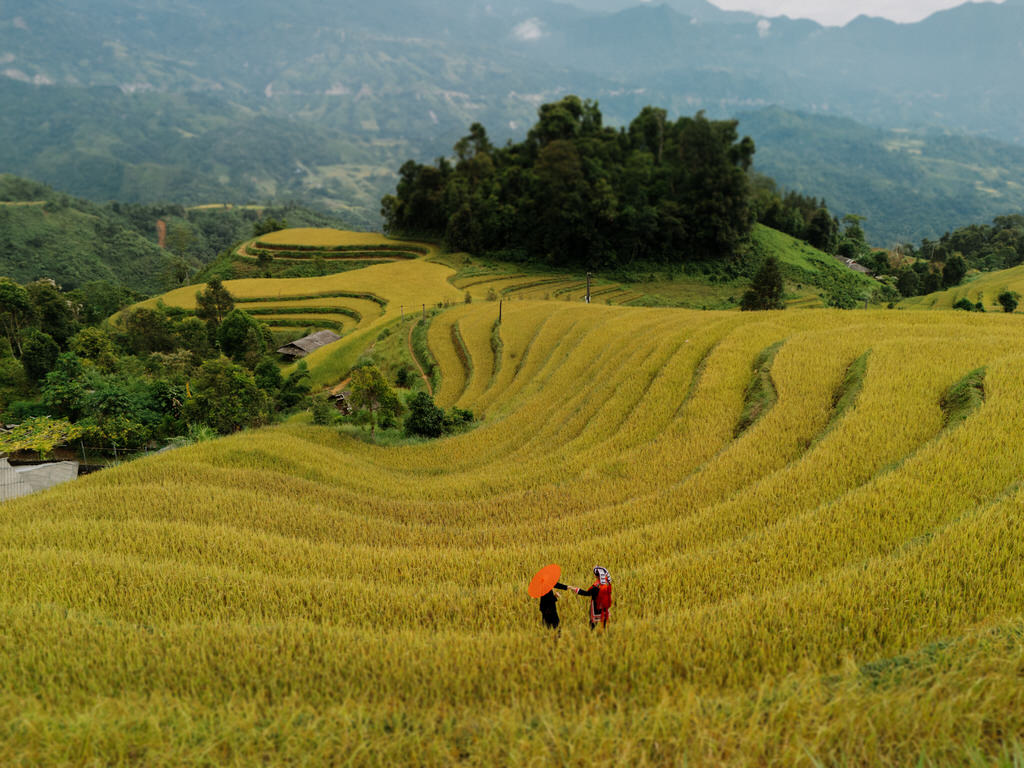
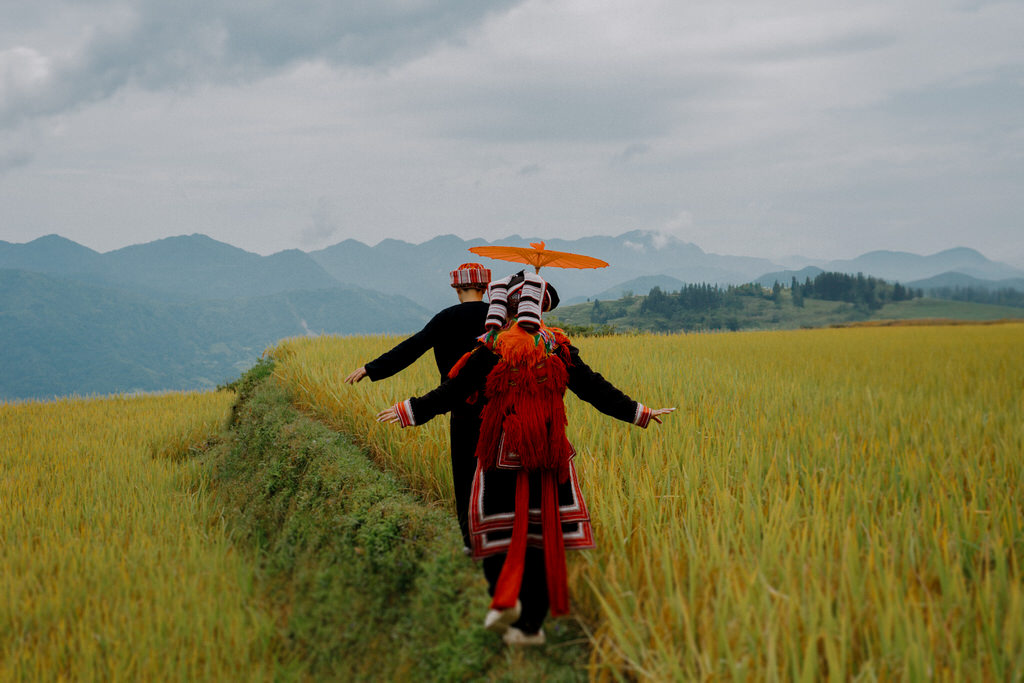
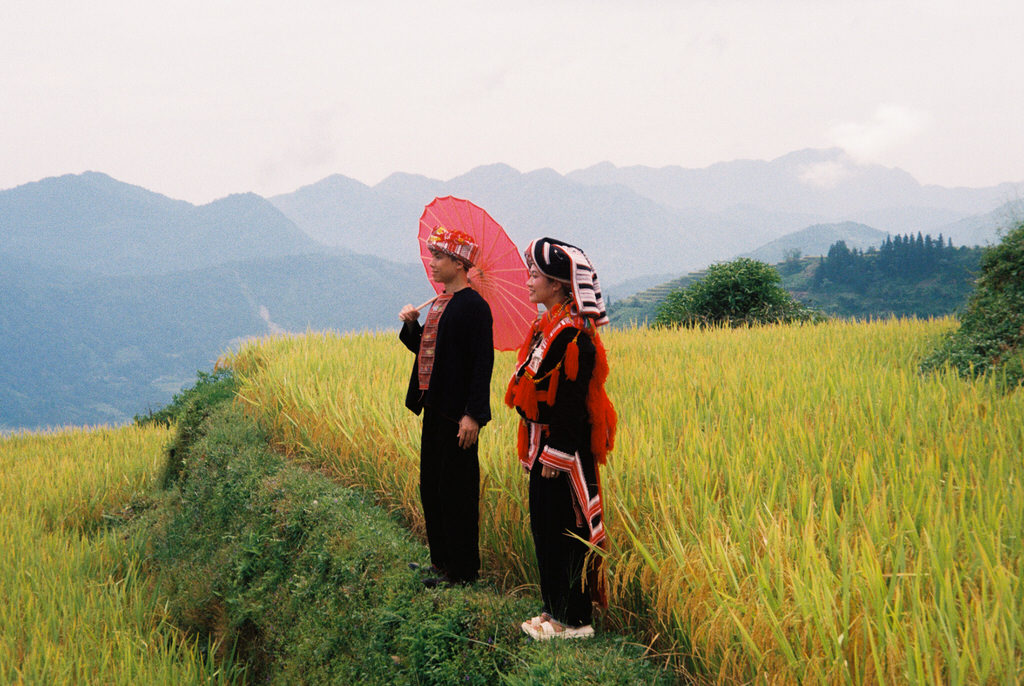
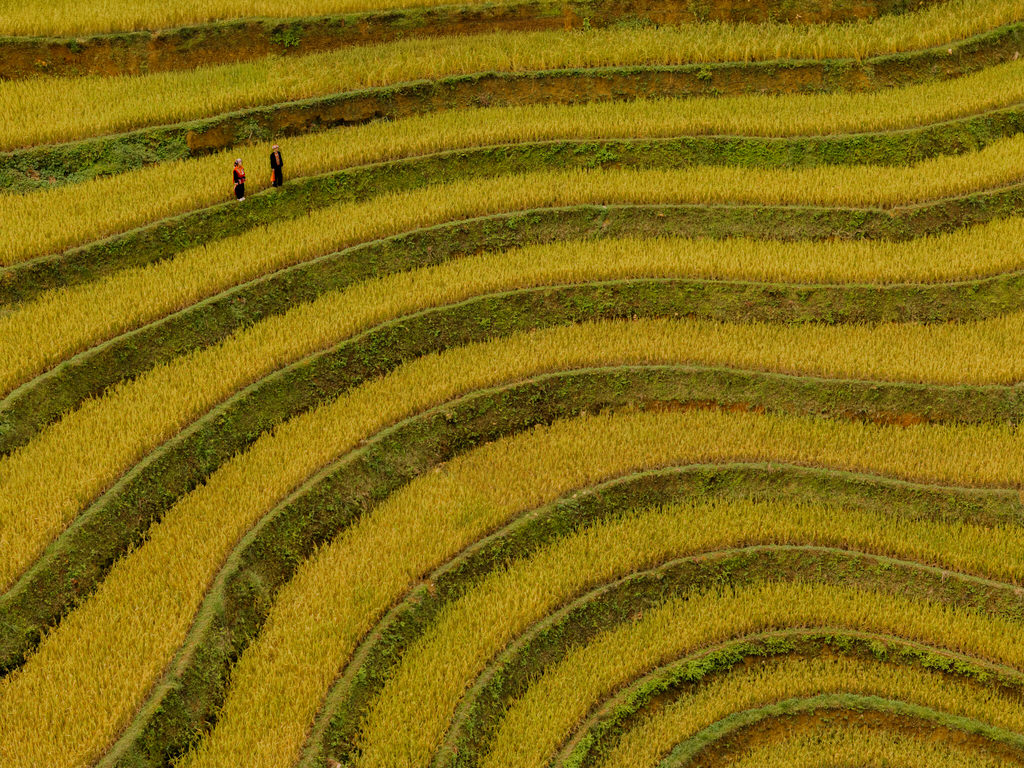
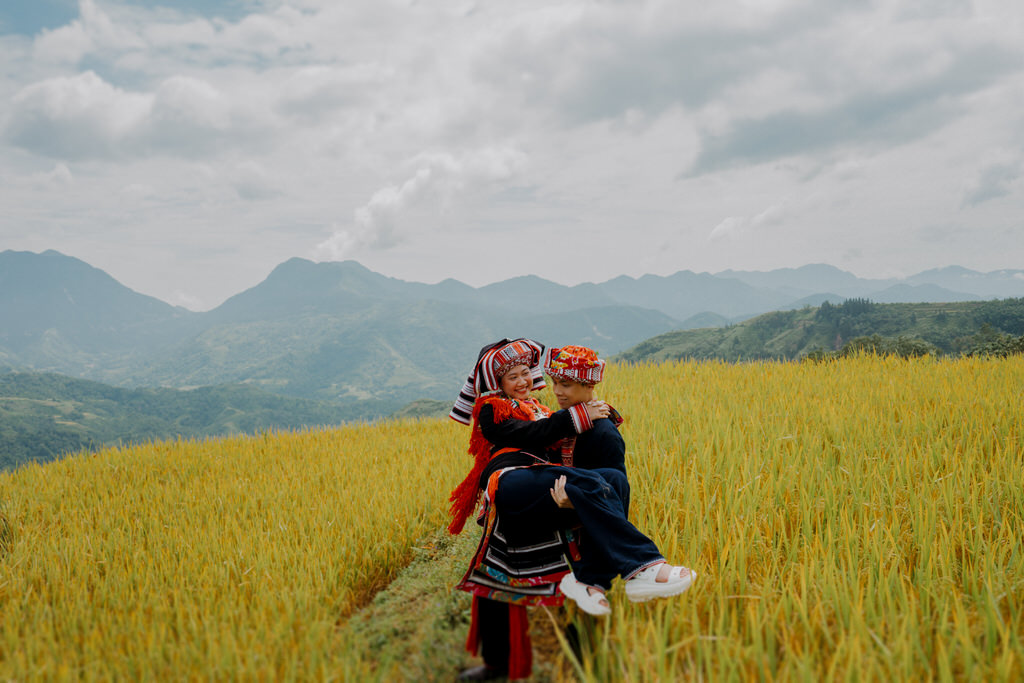
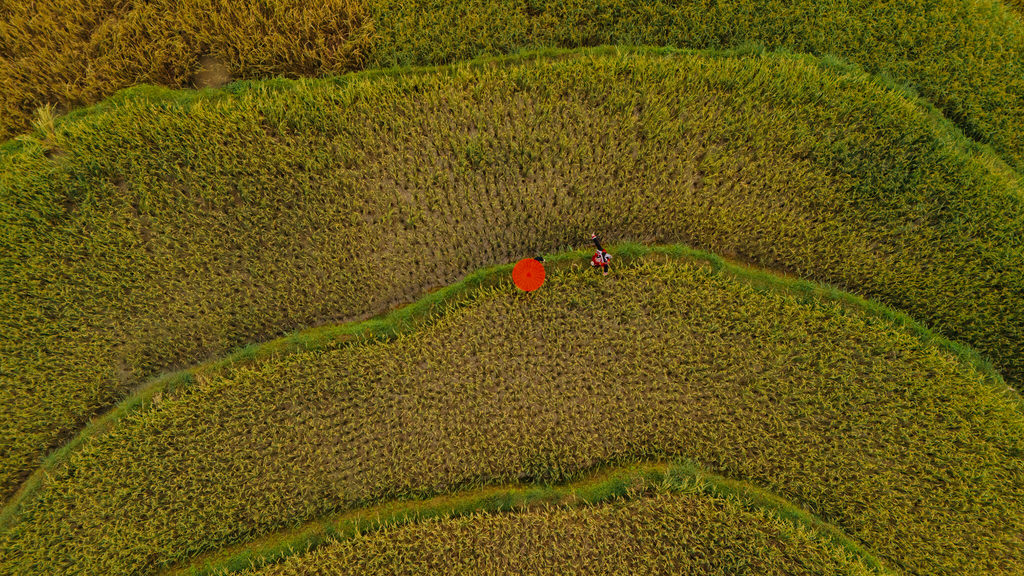
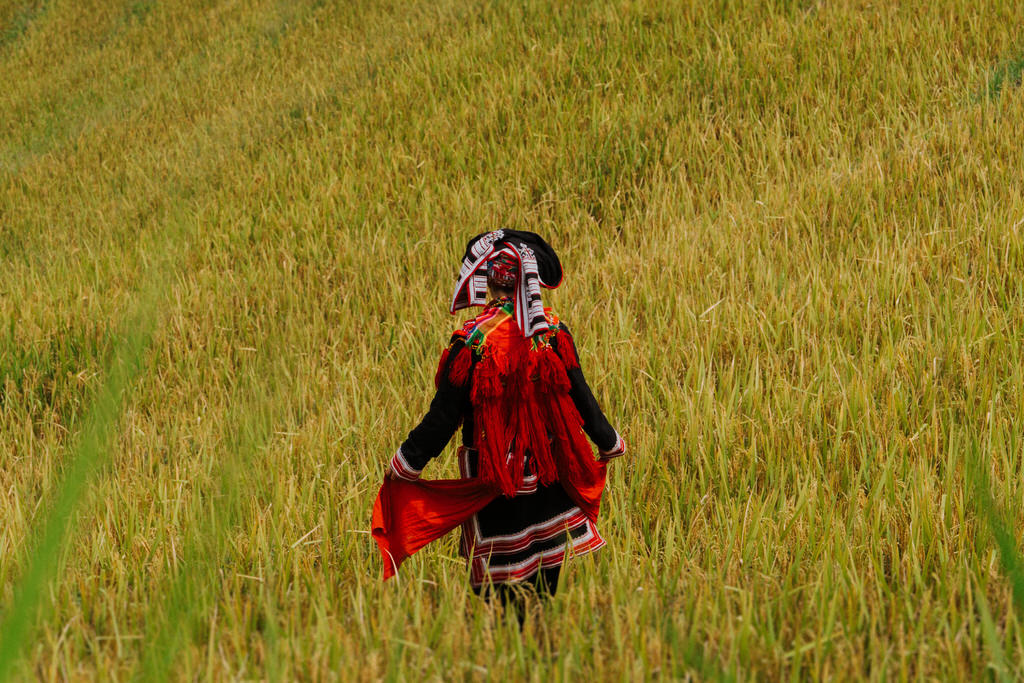
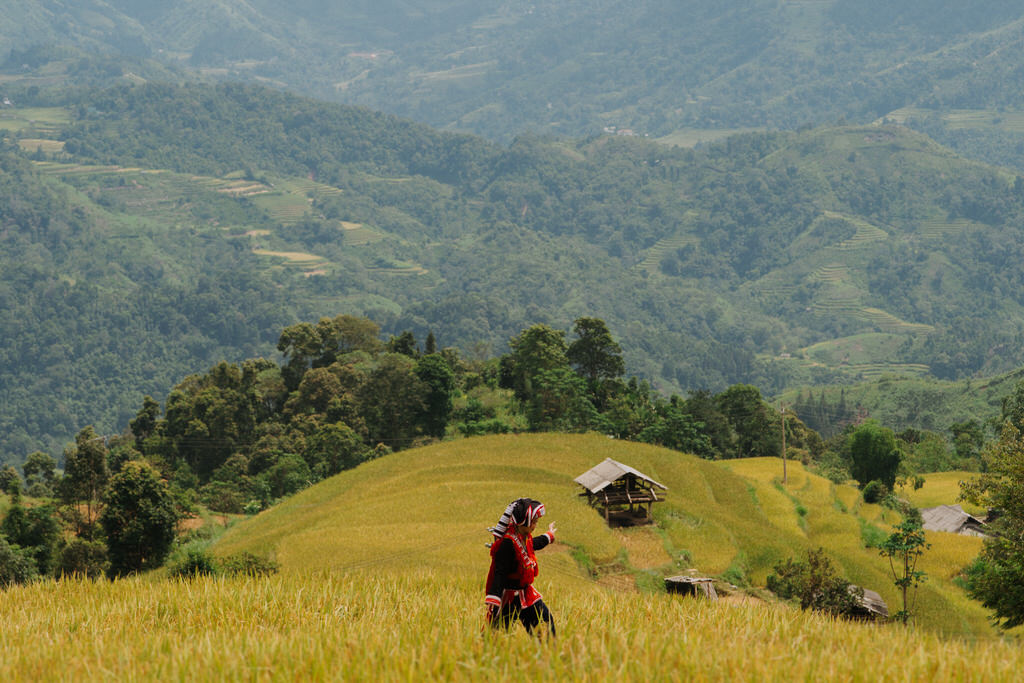
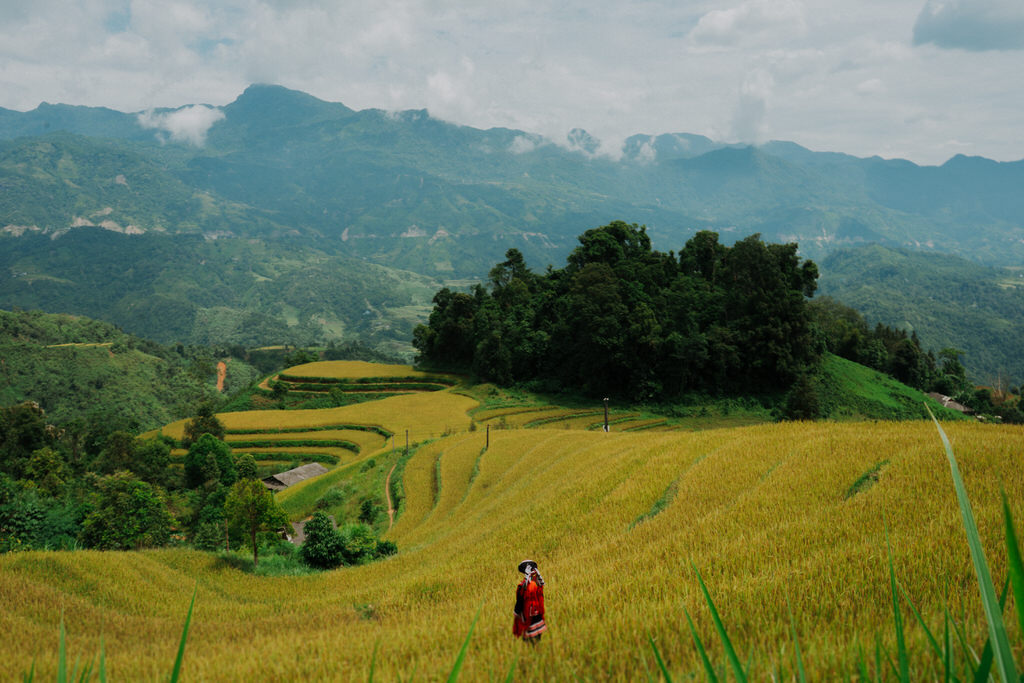
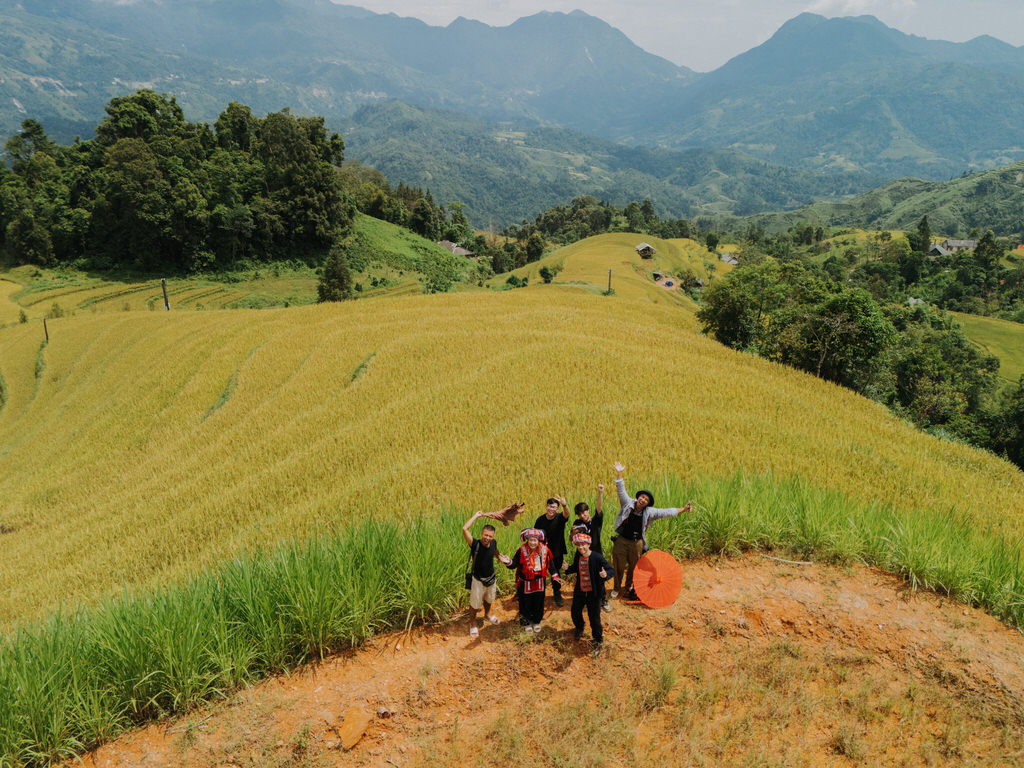
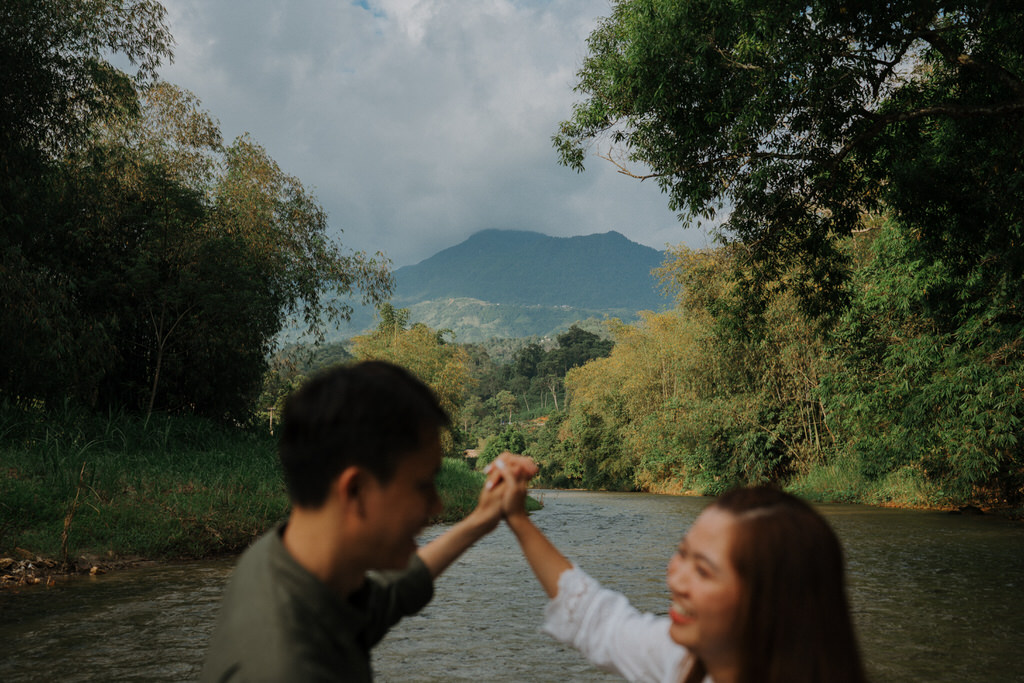
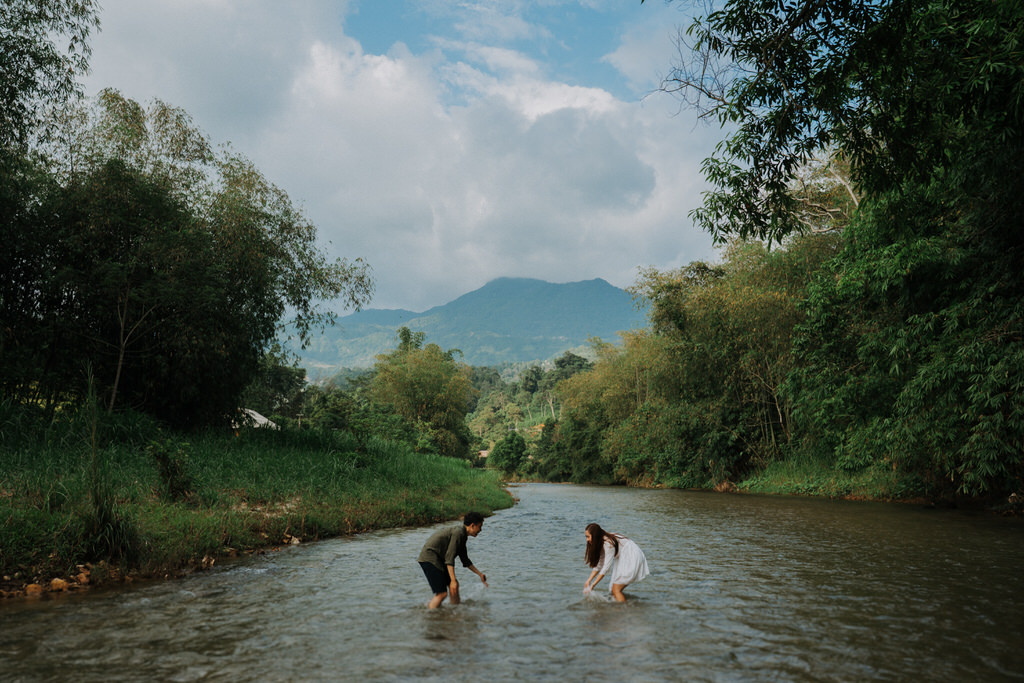
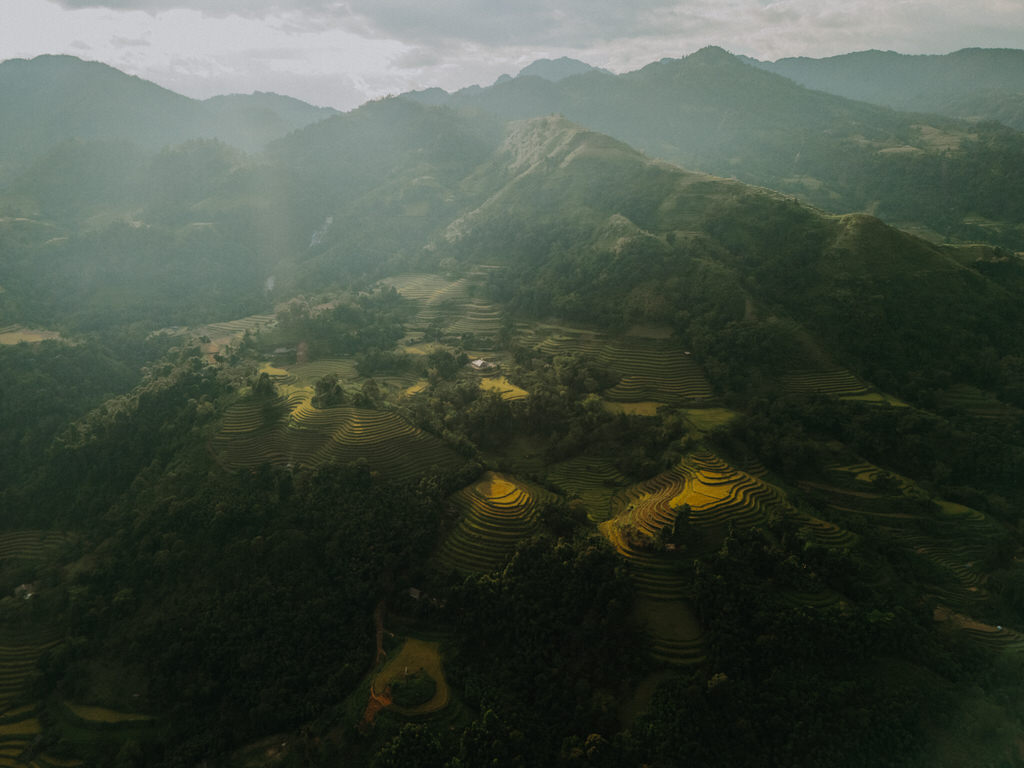
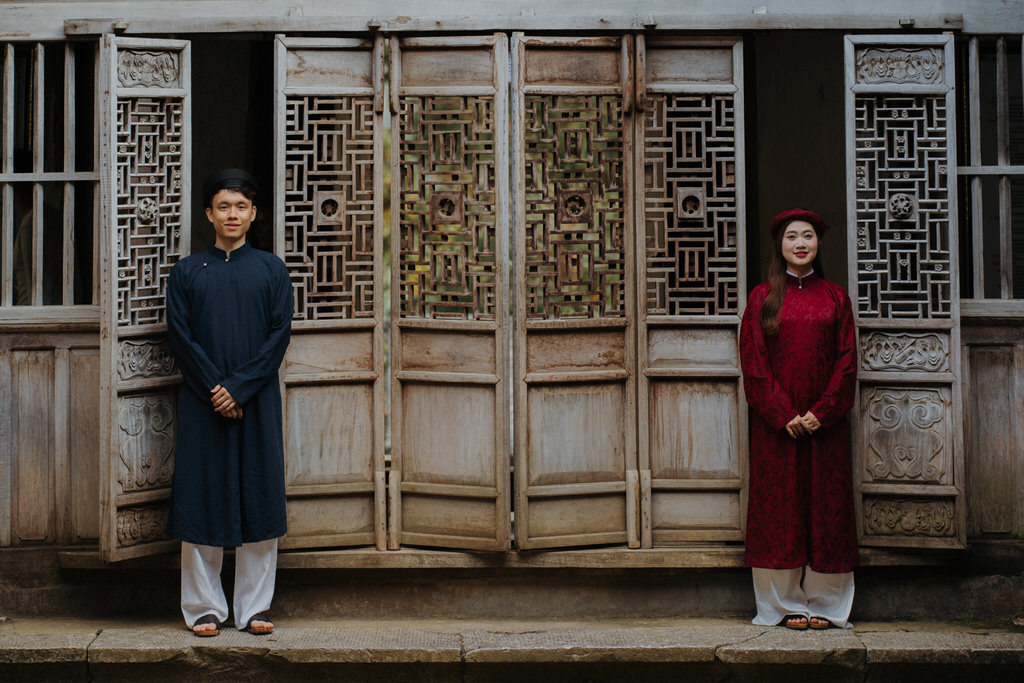
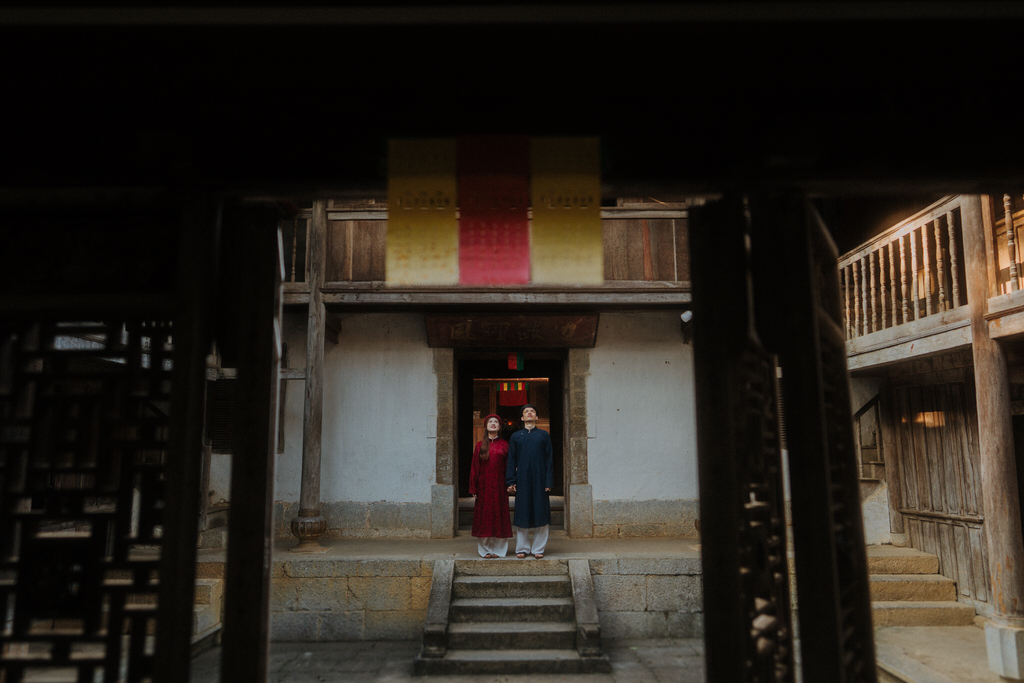
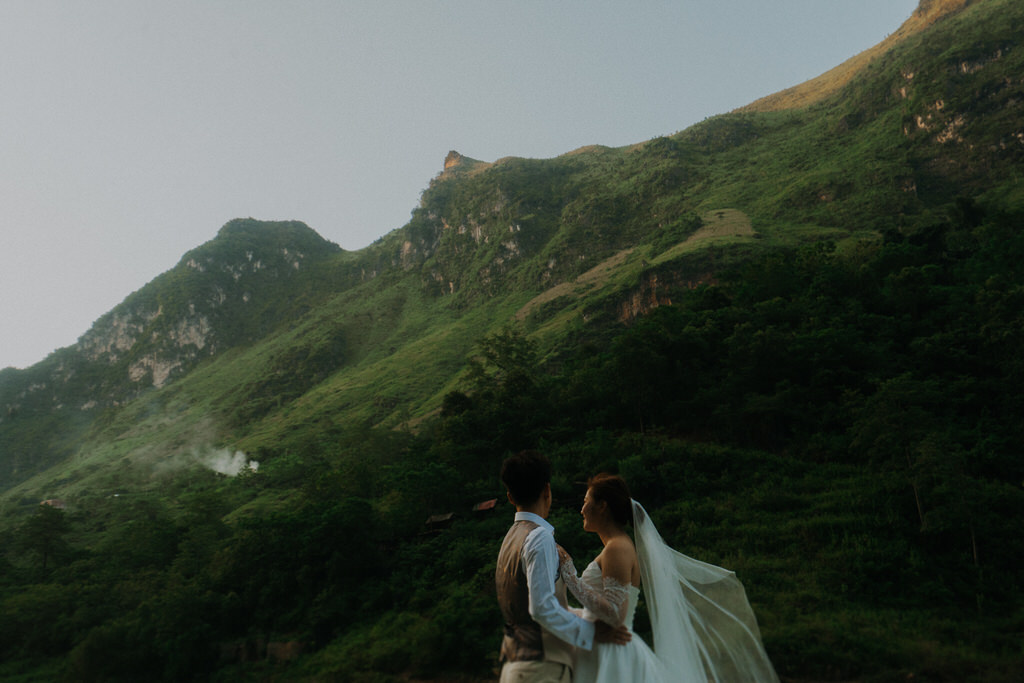
We spent time among the terraced rice fields of Thông Nguyên, in Tuyên Quang, choosing to stay longer so we could slow down, visit nearby villages and learn about local customs and everyday life. We played in a small village surrounded by remarkable rice terraces, and came together to experience a symbolic Red Dao wedding ceremony.
Ha Giang is not an easy place to travel through. But once you have been there, it may stay with you for the rest of your life. HOME
CHAPTER I
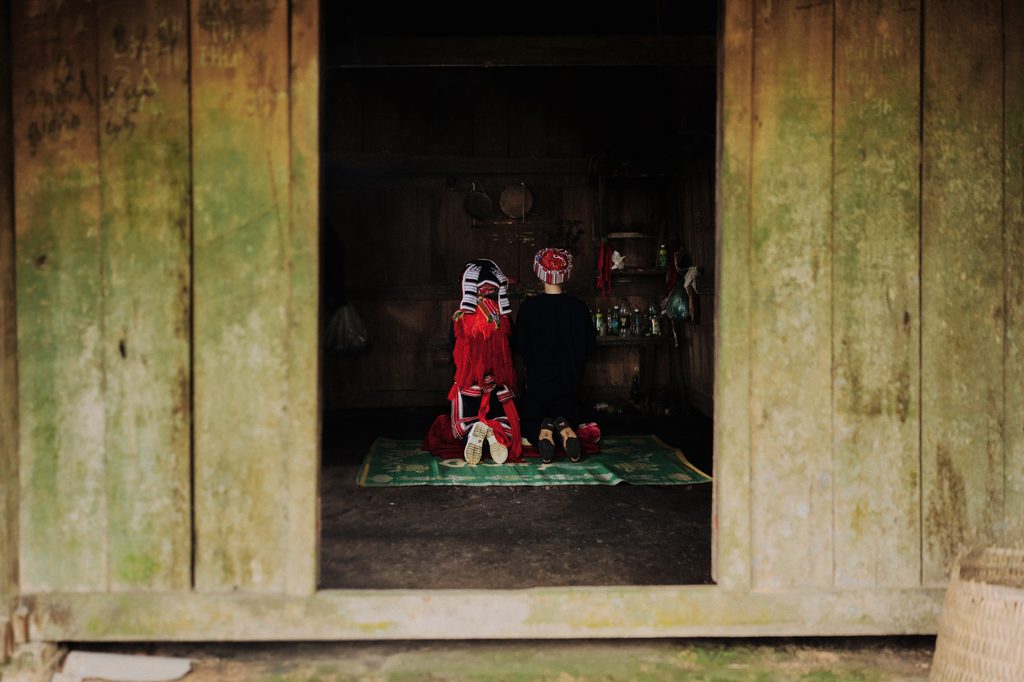
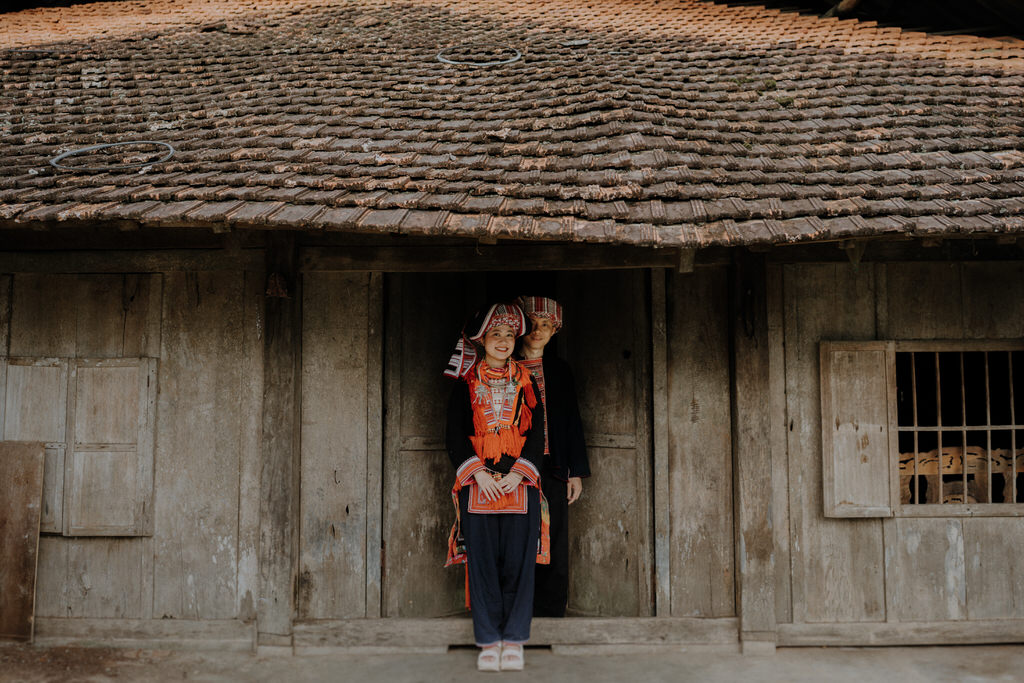
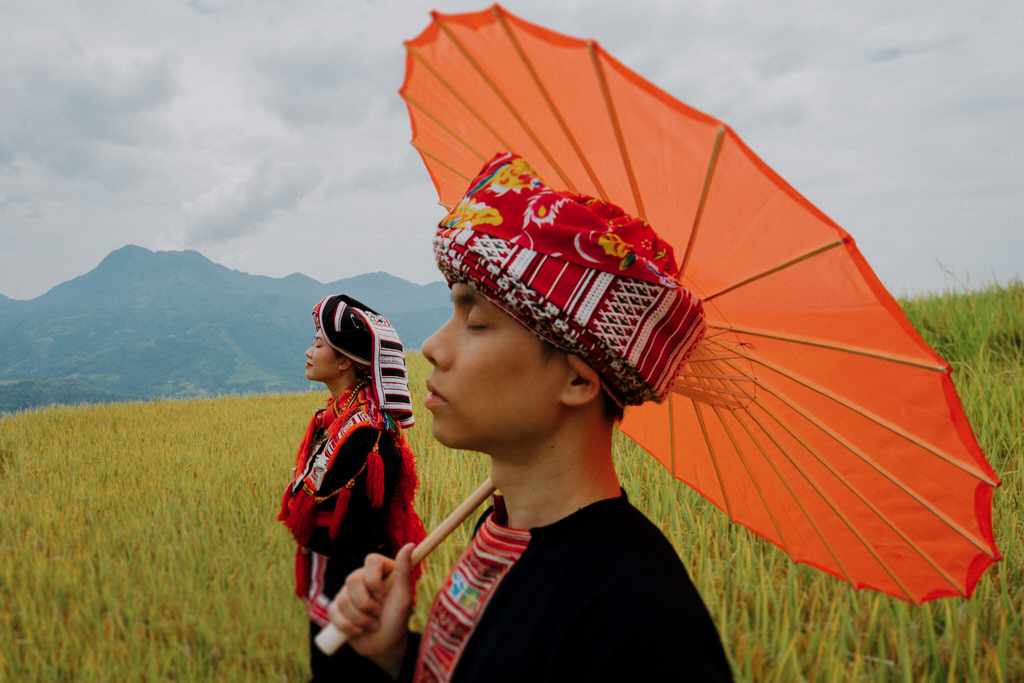
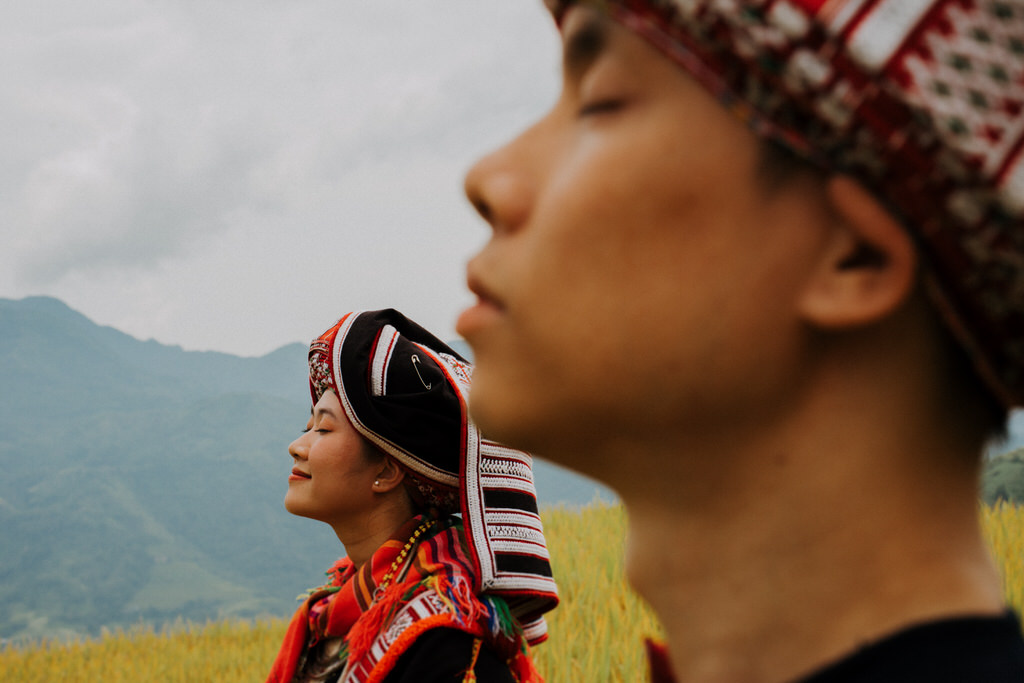
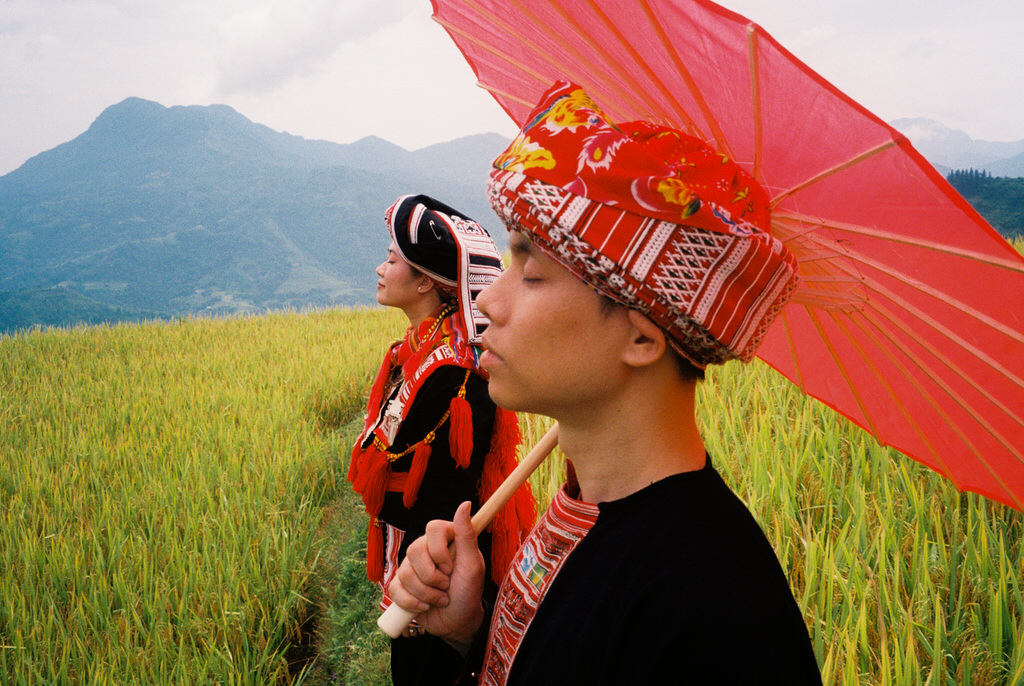
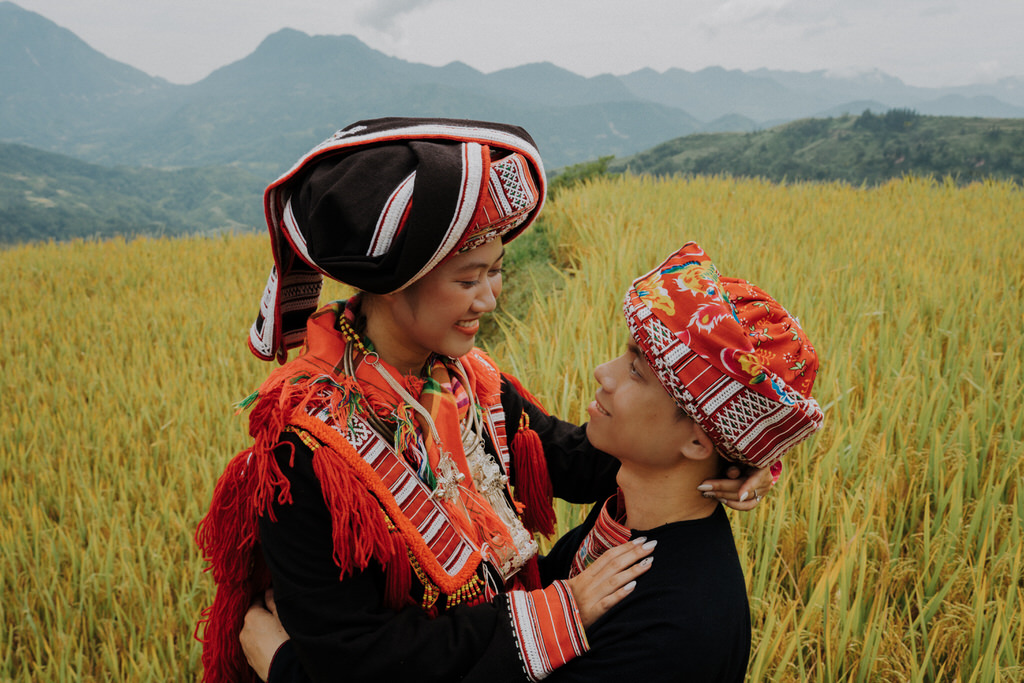
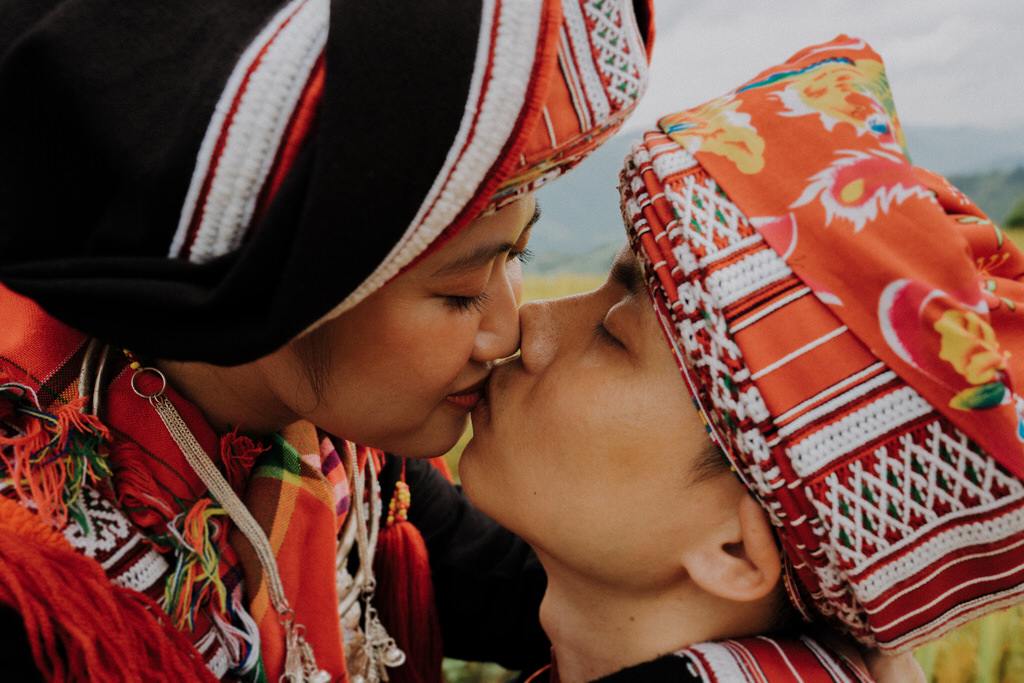
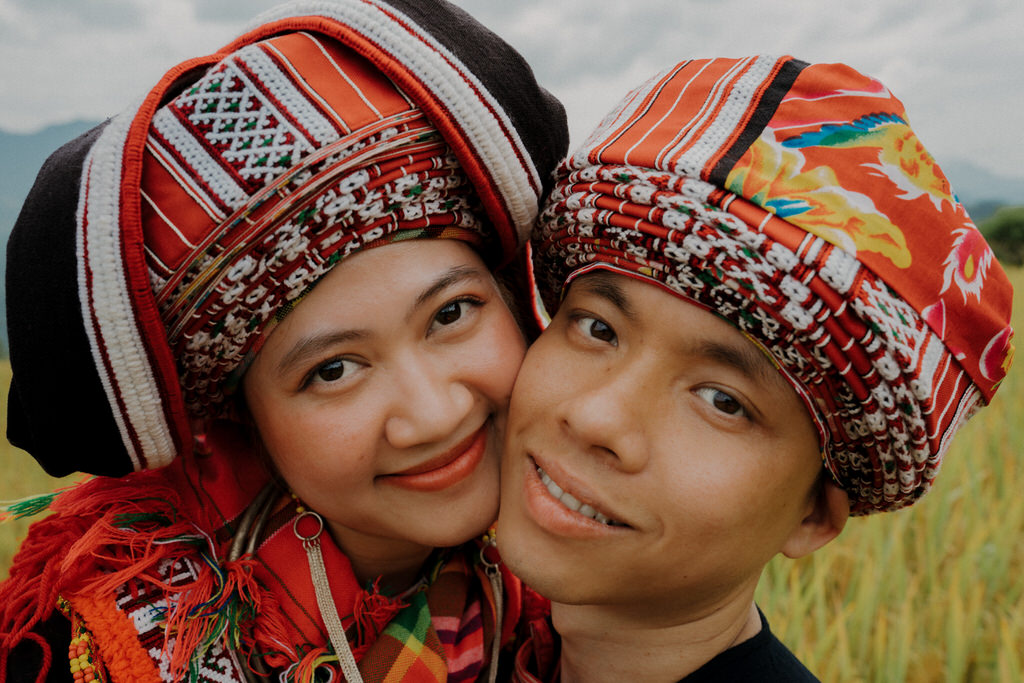
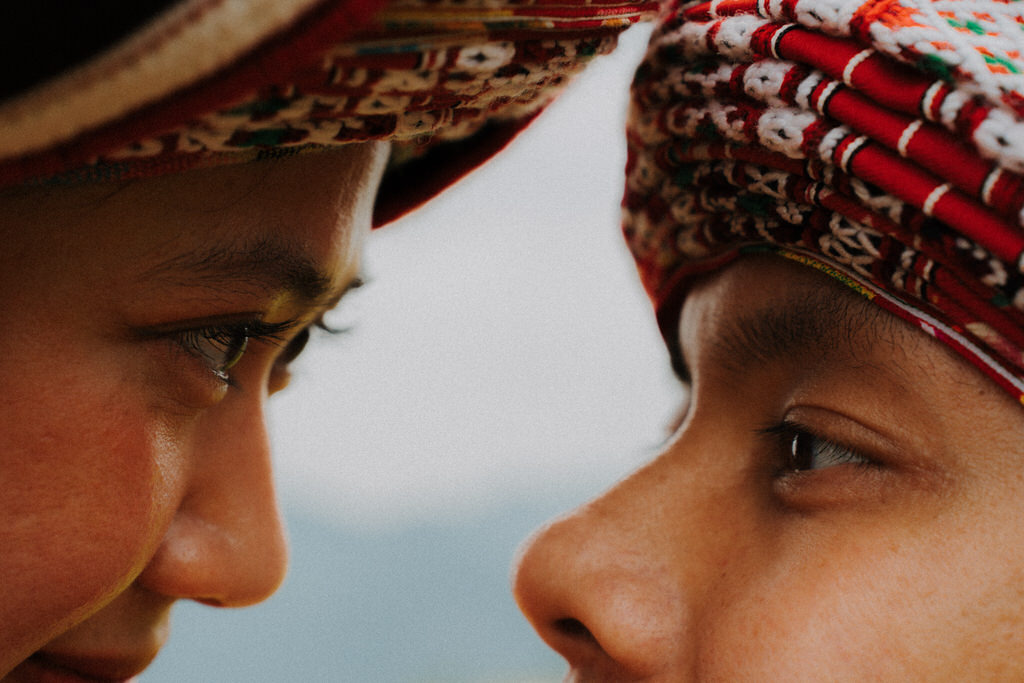
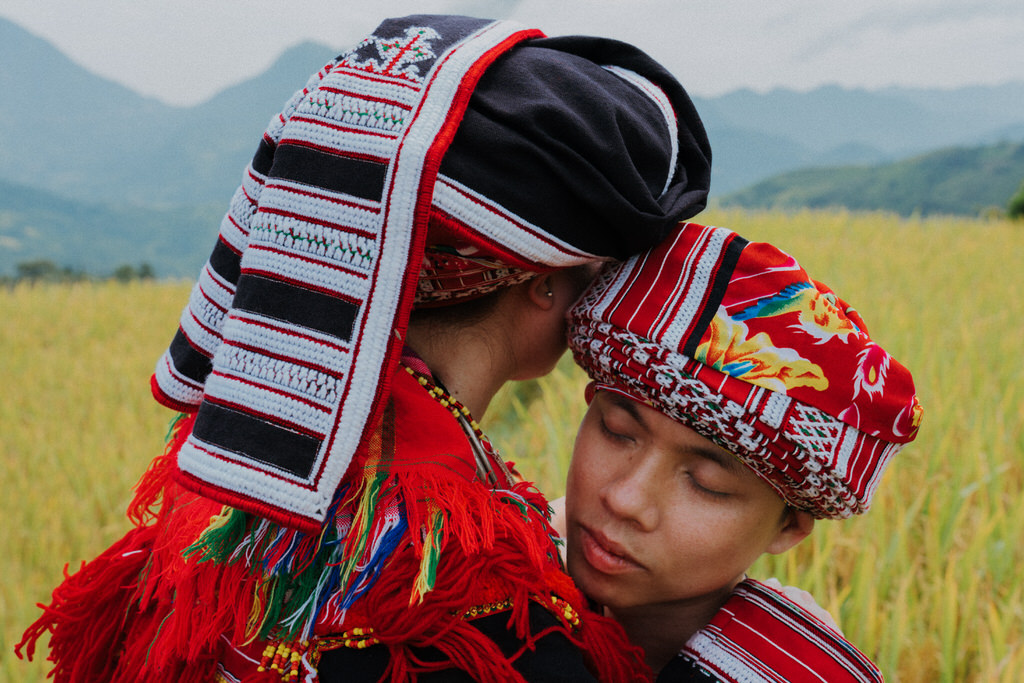
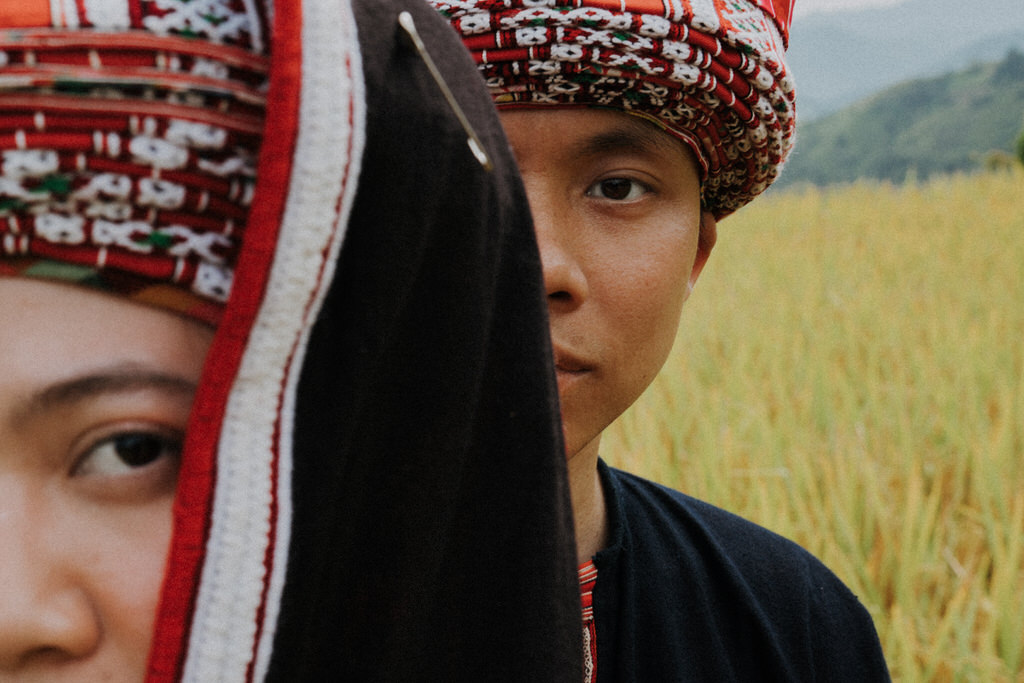
A RED DAO WEDDING AMONG THE TERRACED FIELDS.
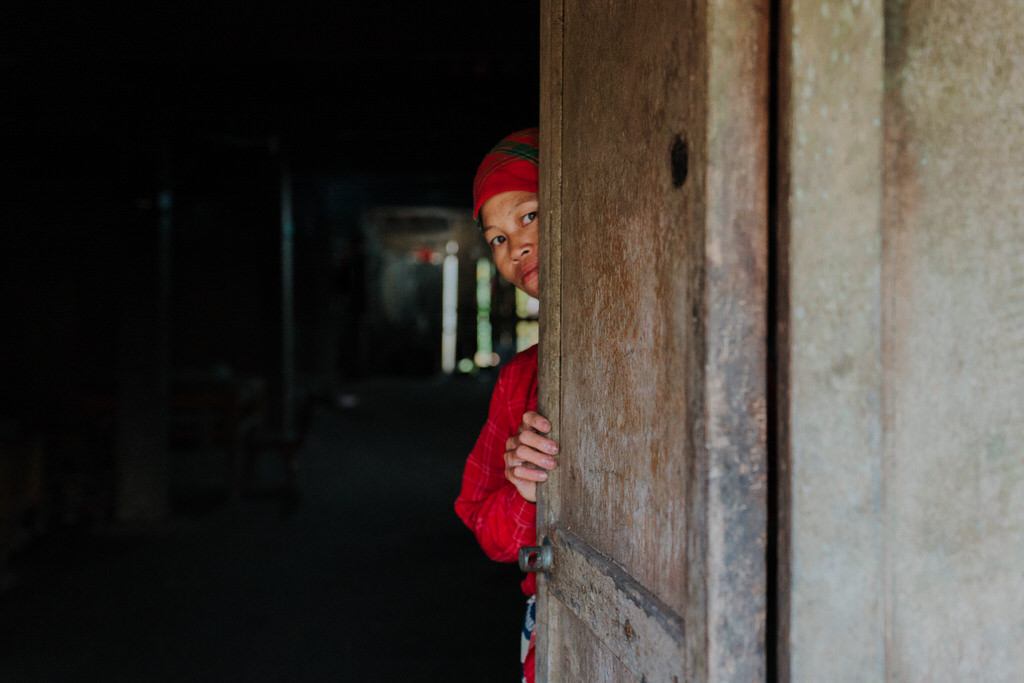
Our desire to experience the cultural richness of Vietnam led us to Ha Giang — to learn about the lives, customs and traditions of people in the highlands. One experience we had long hoped for was a traditional Red Dao wedding.
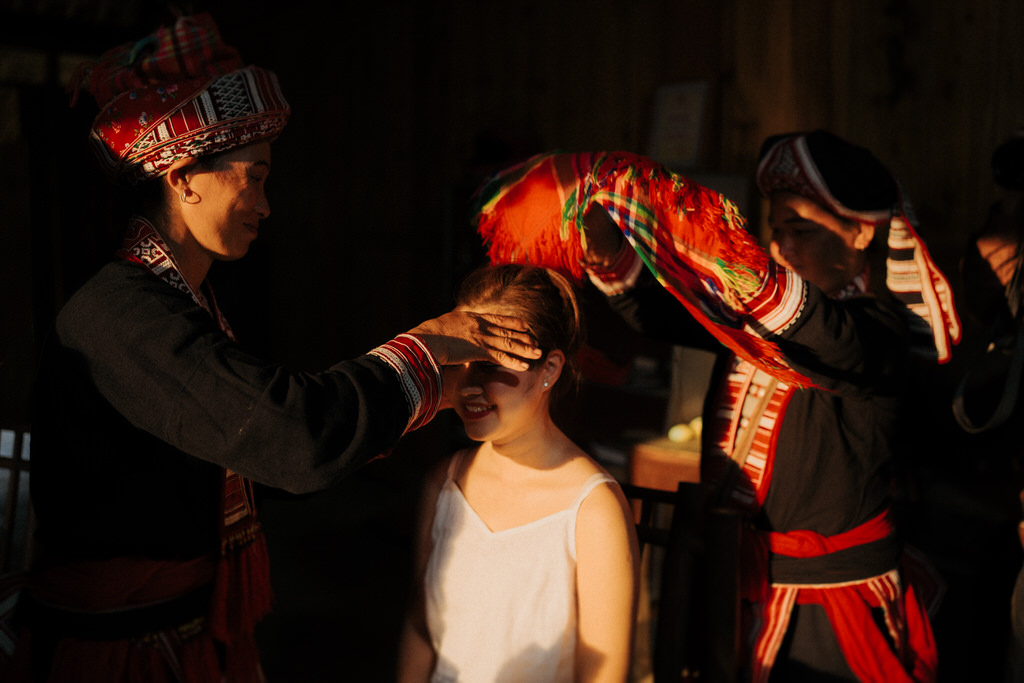
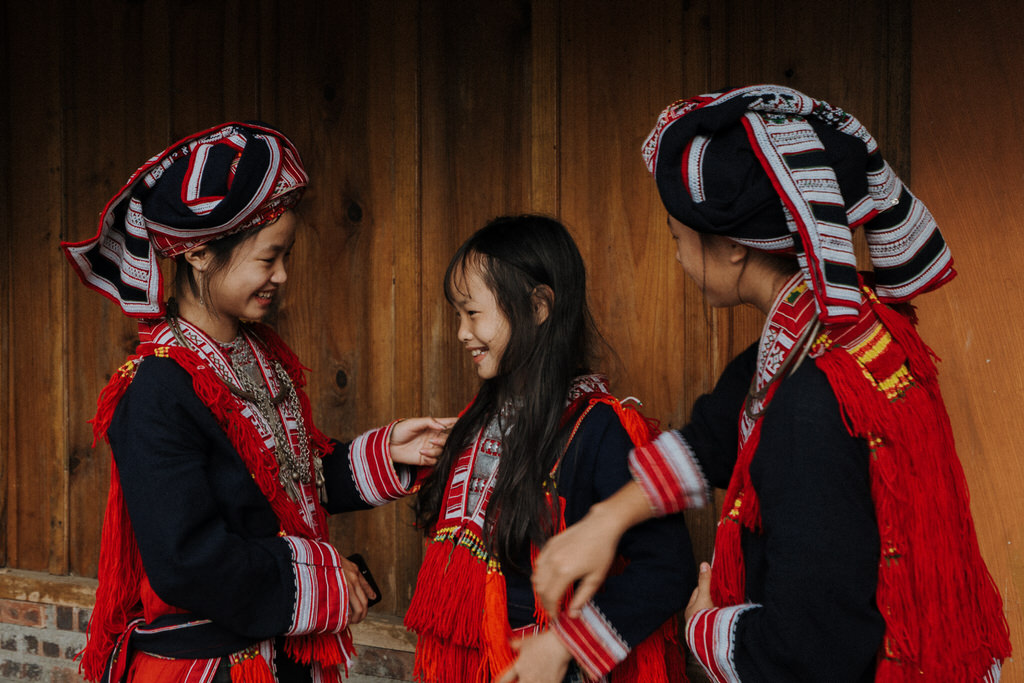
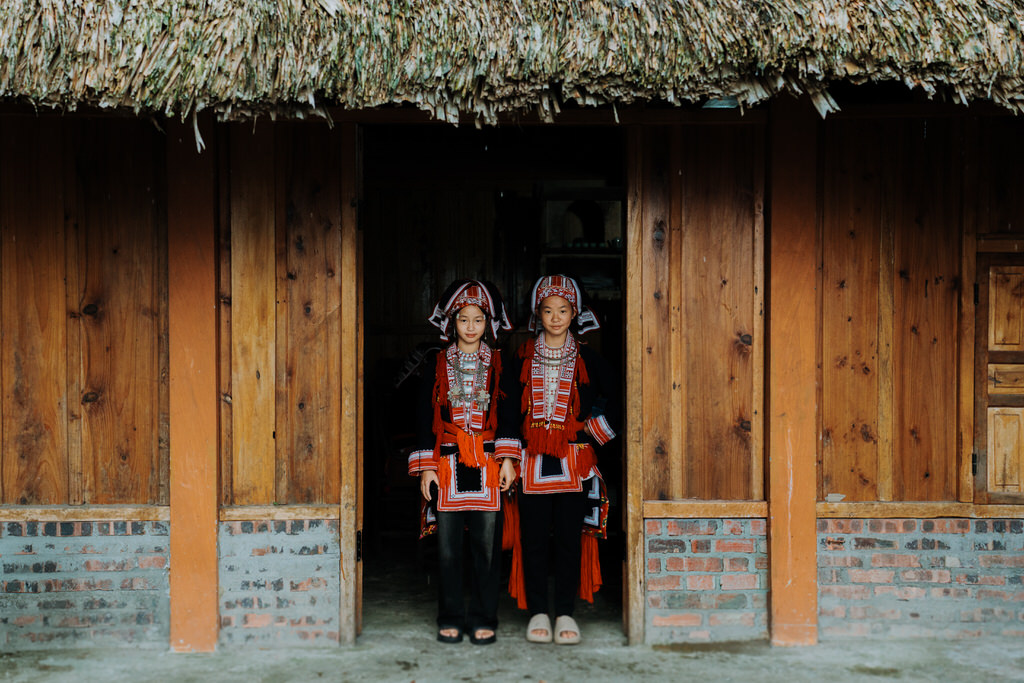
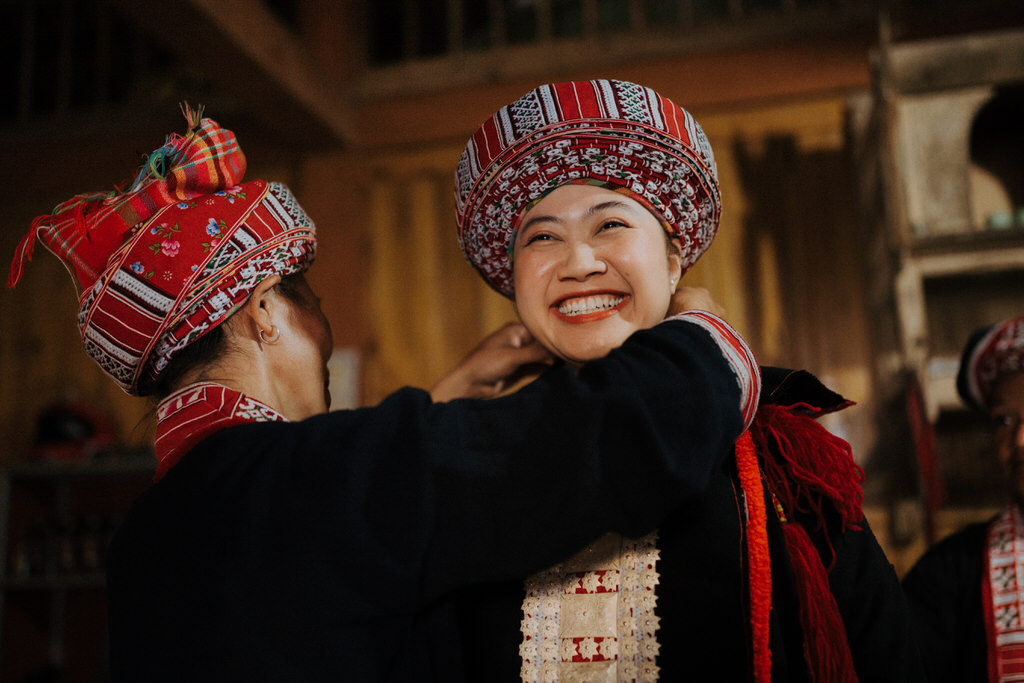
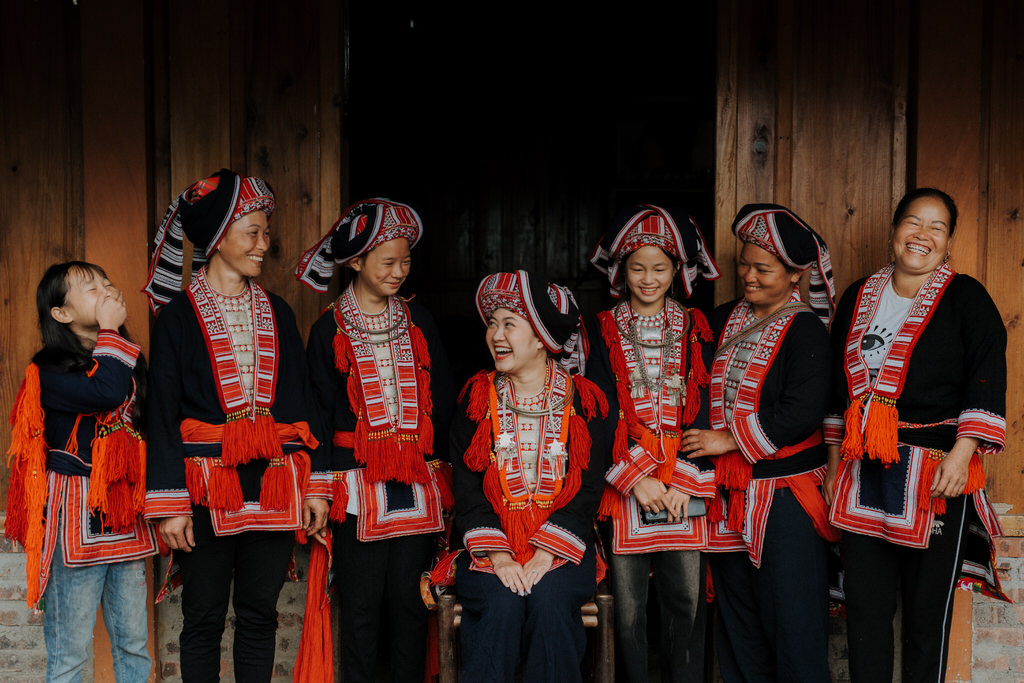
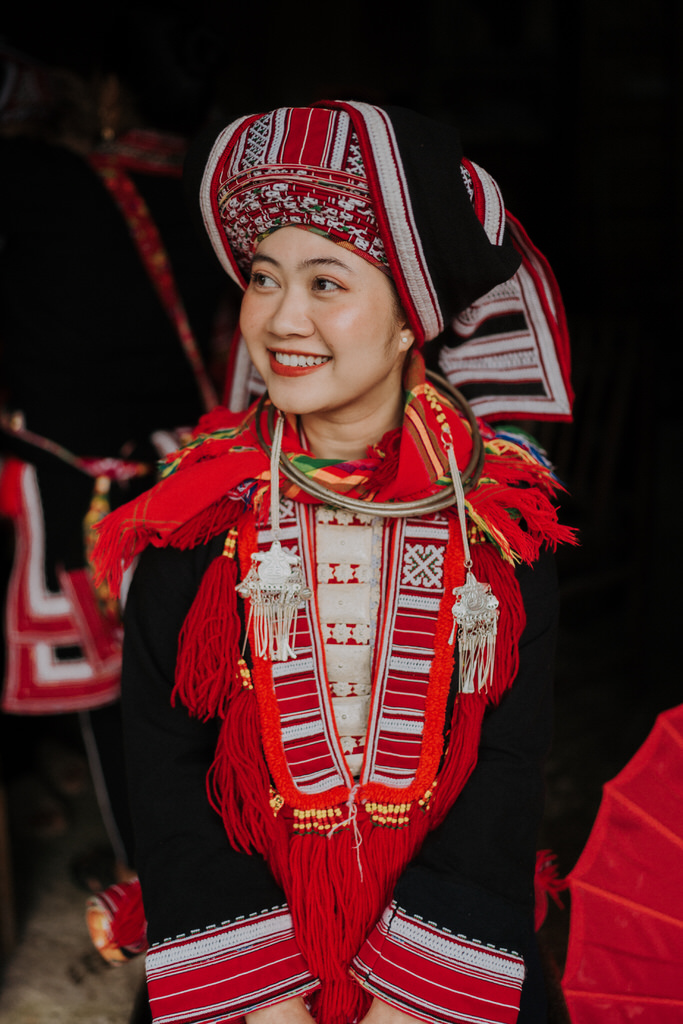
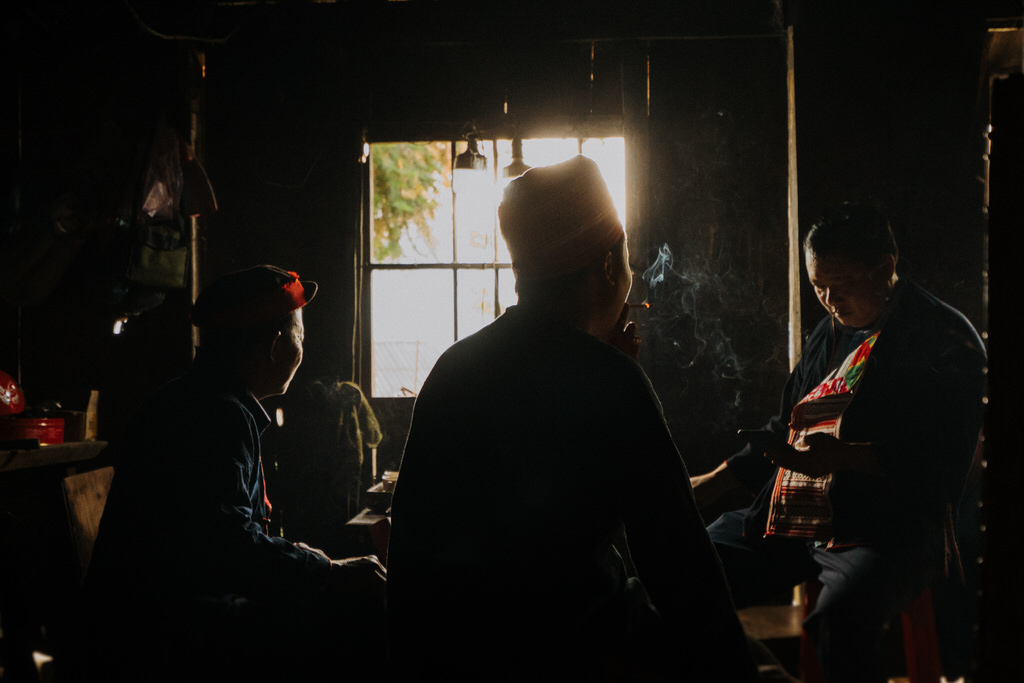
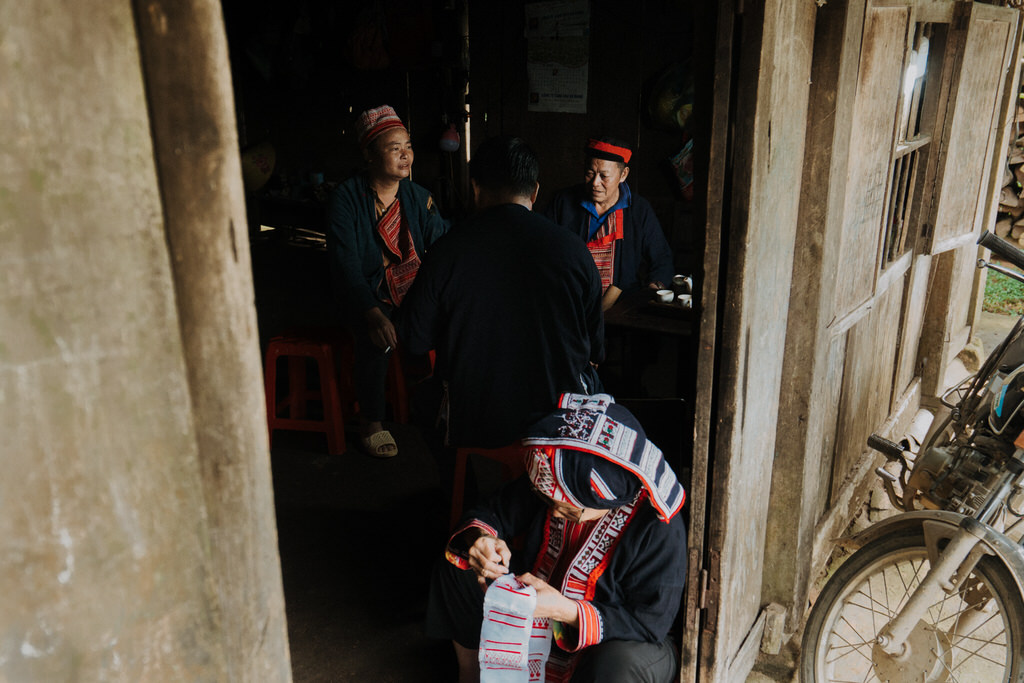
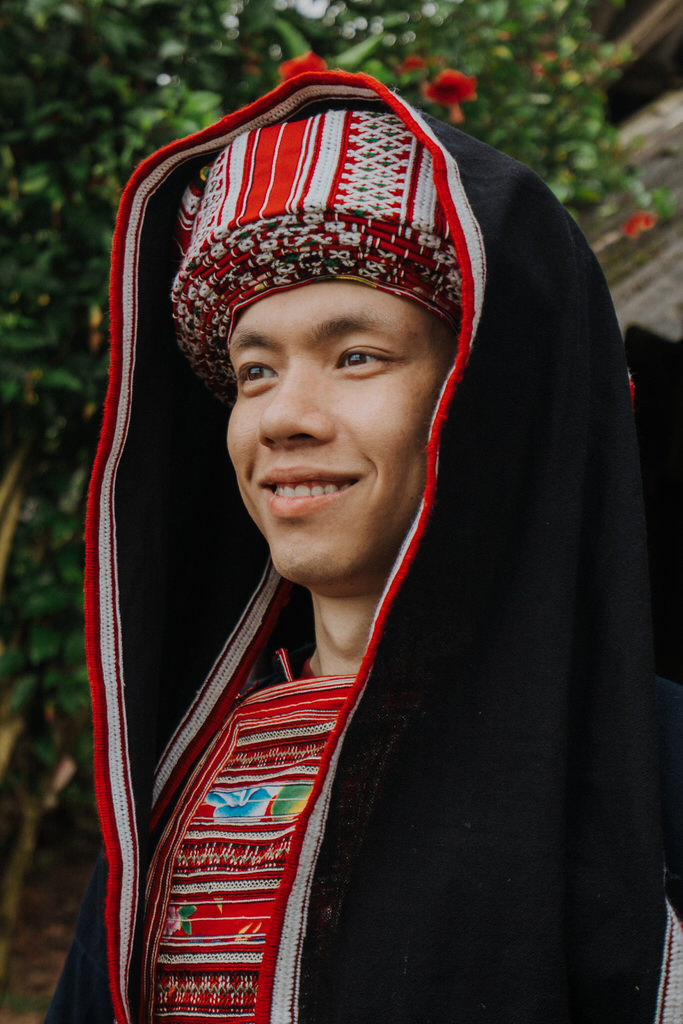
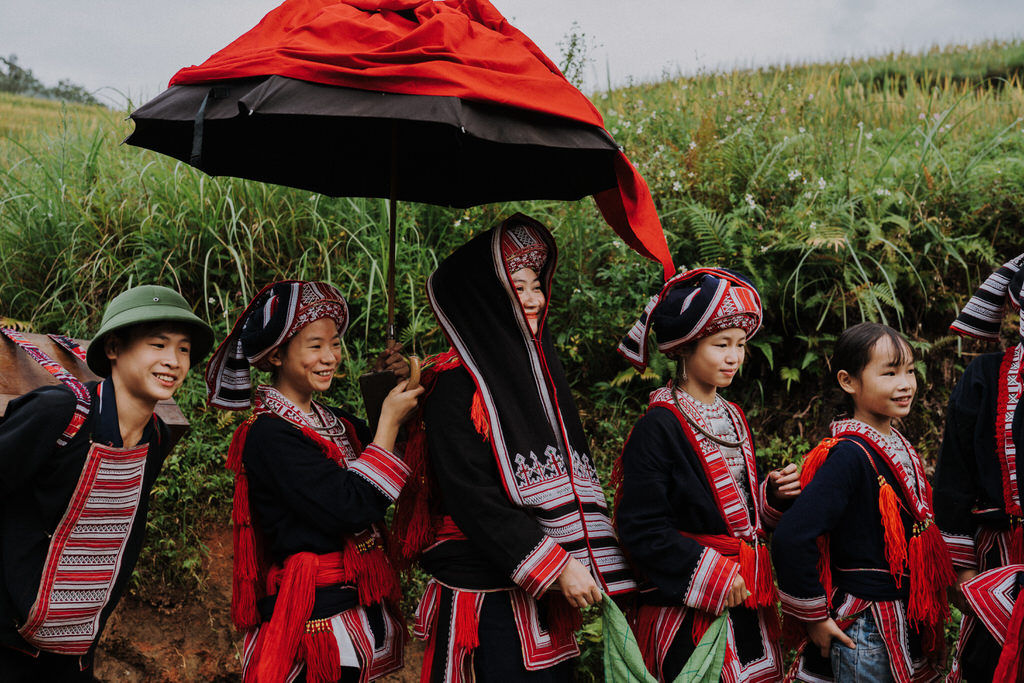
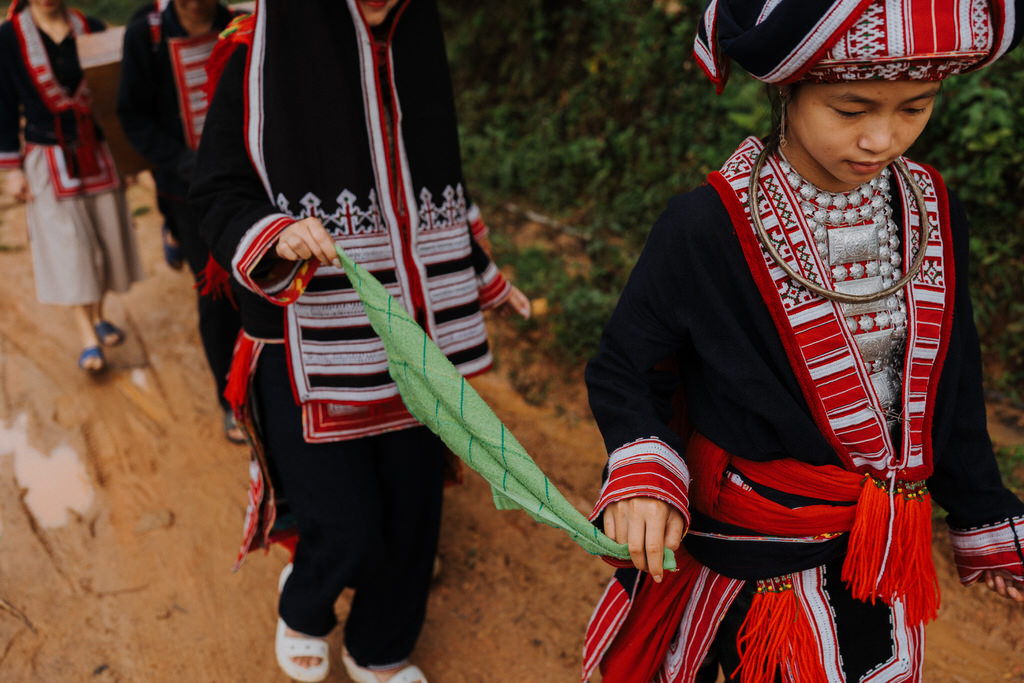
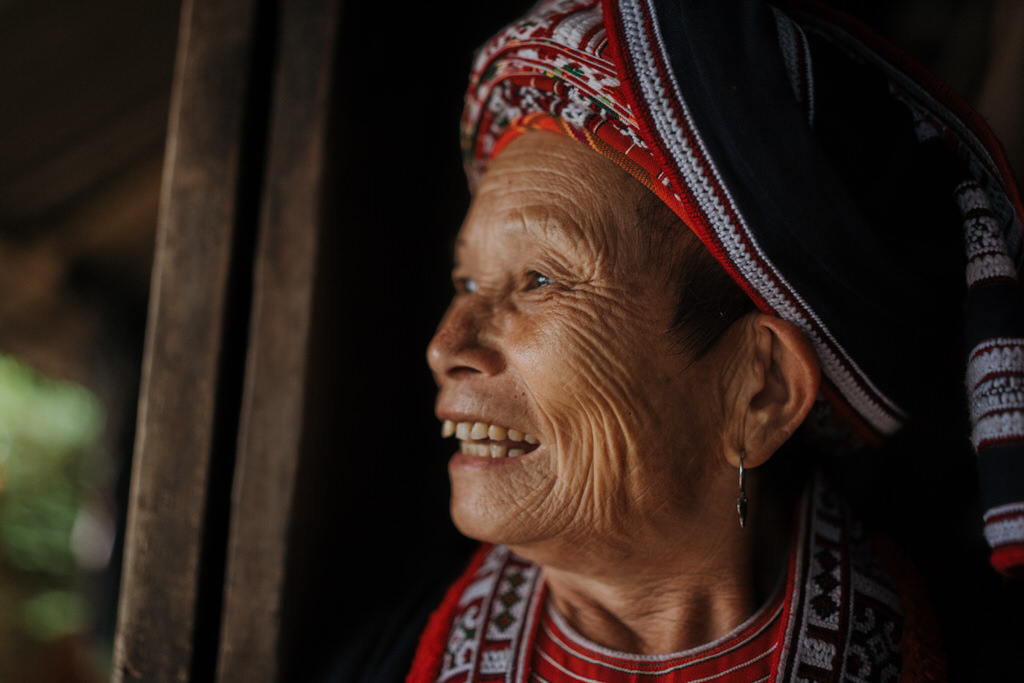
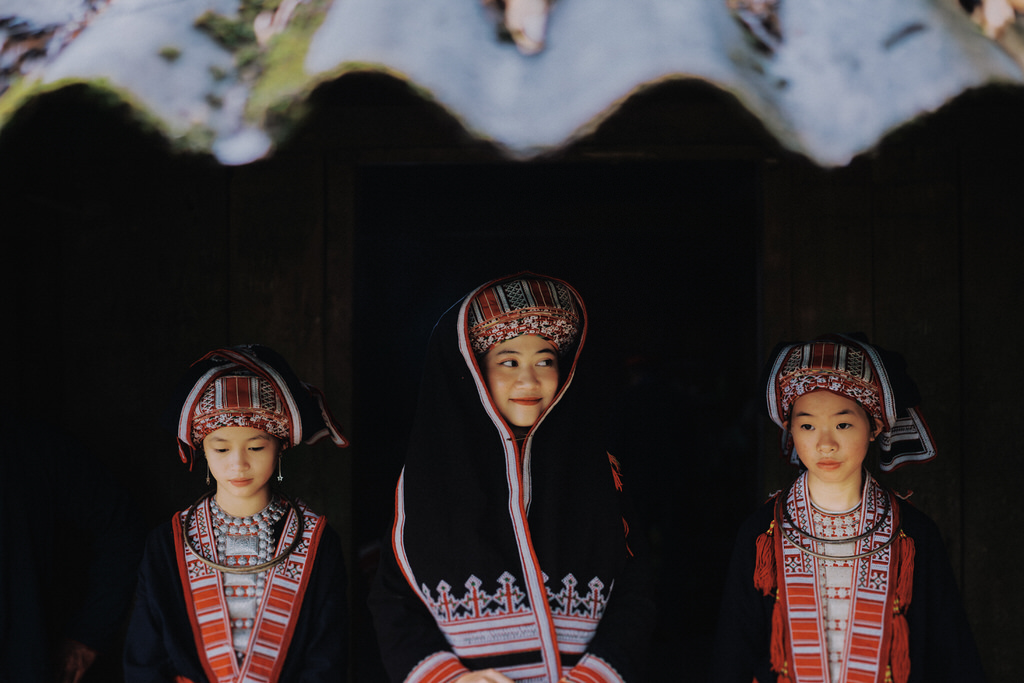
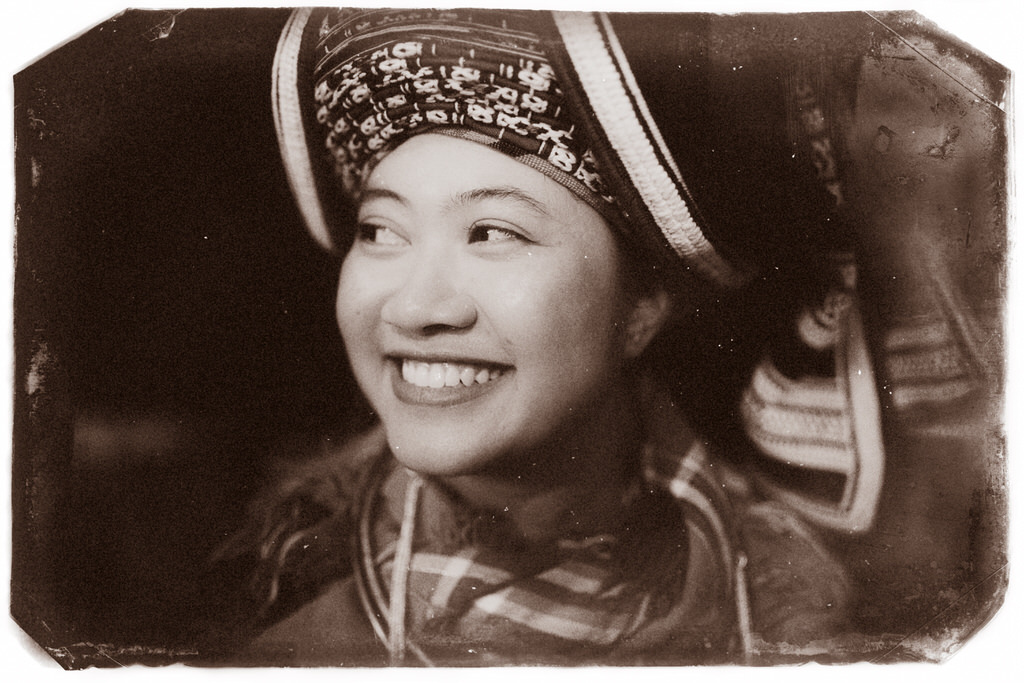
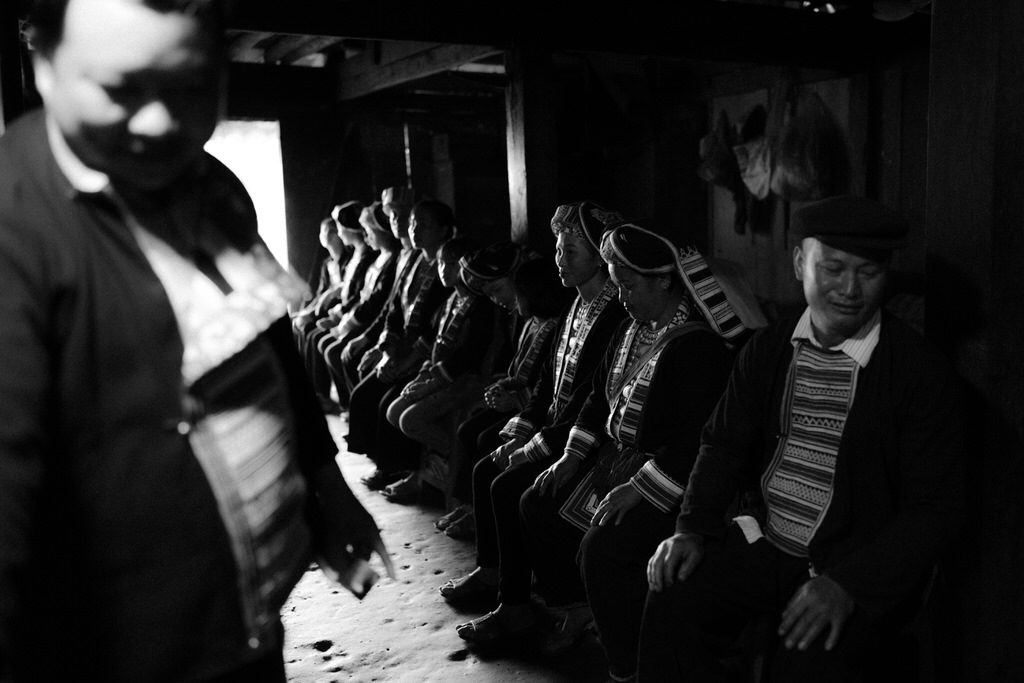
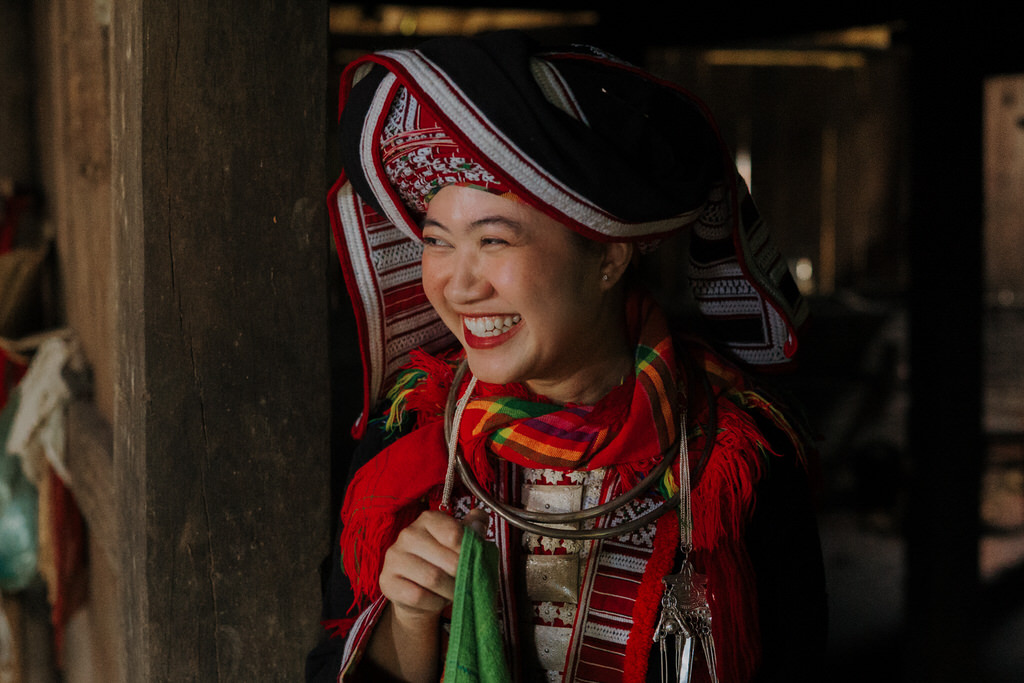
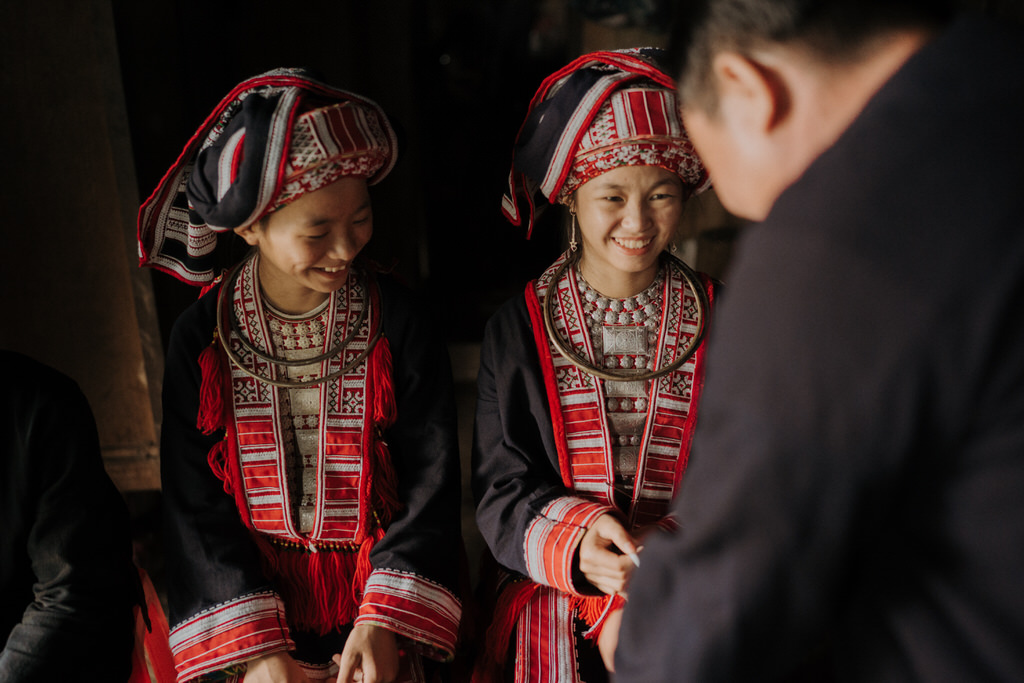
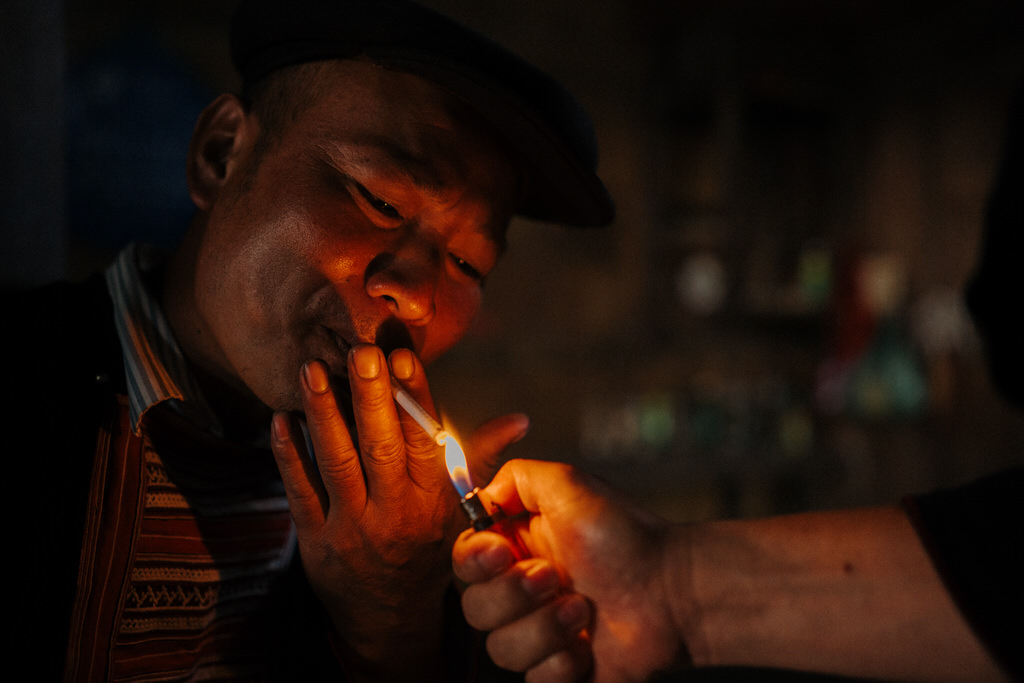
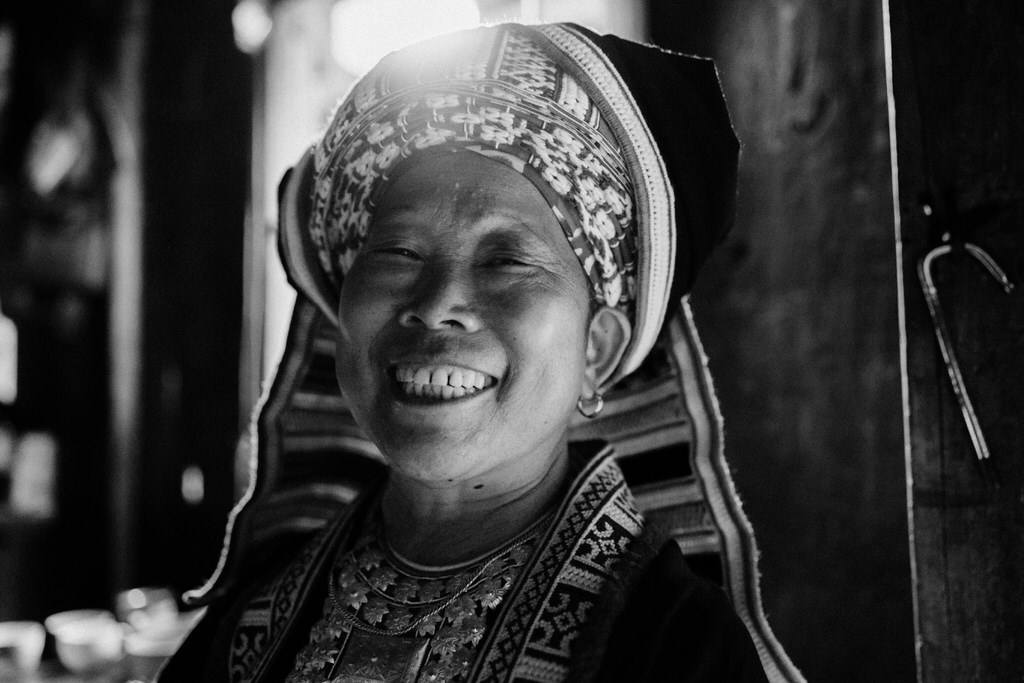
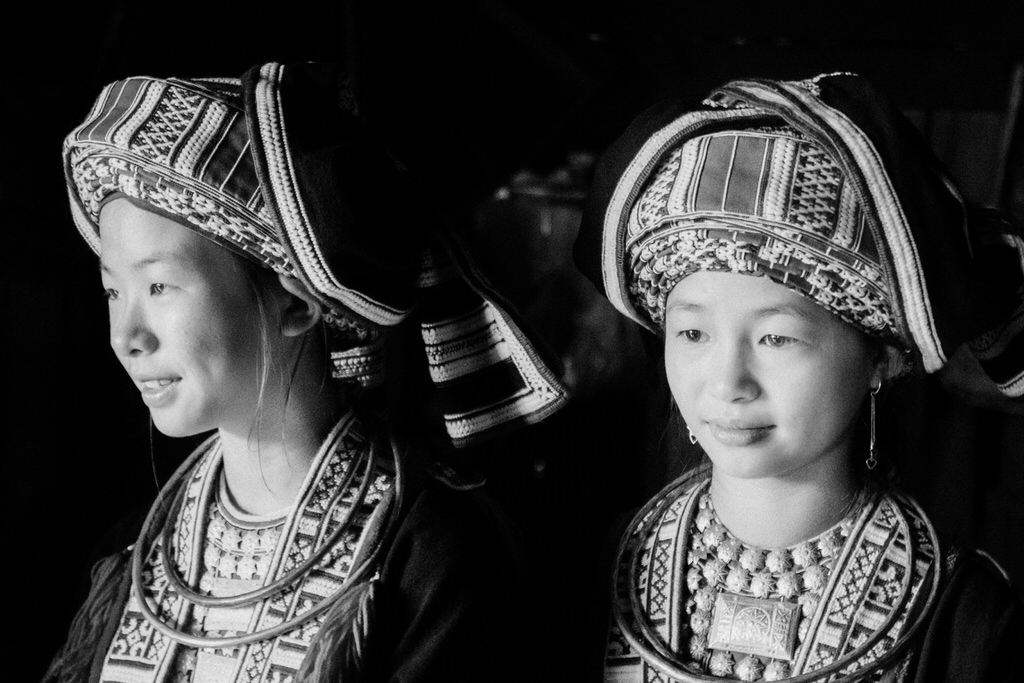
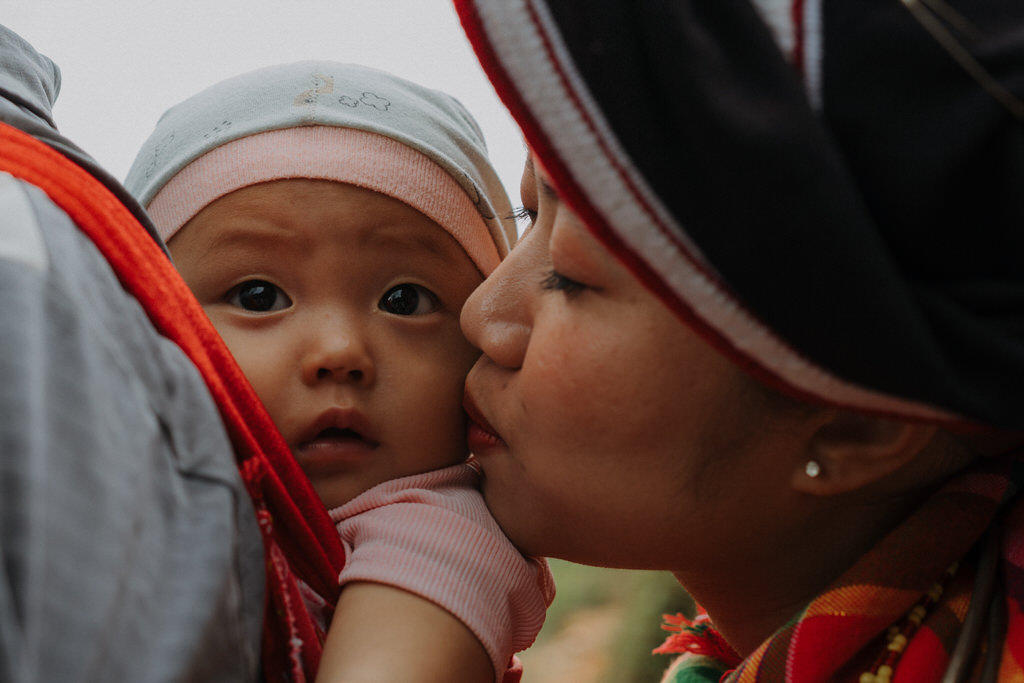
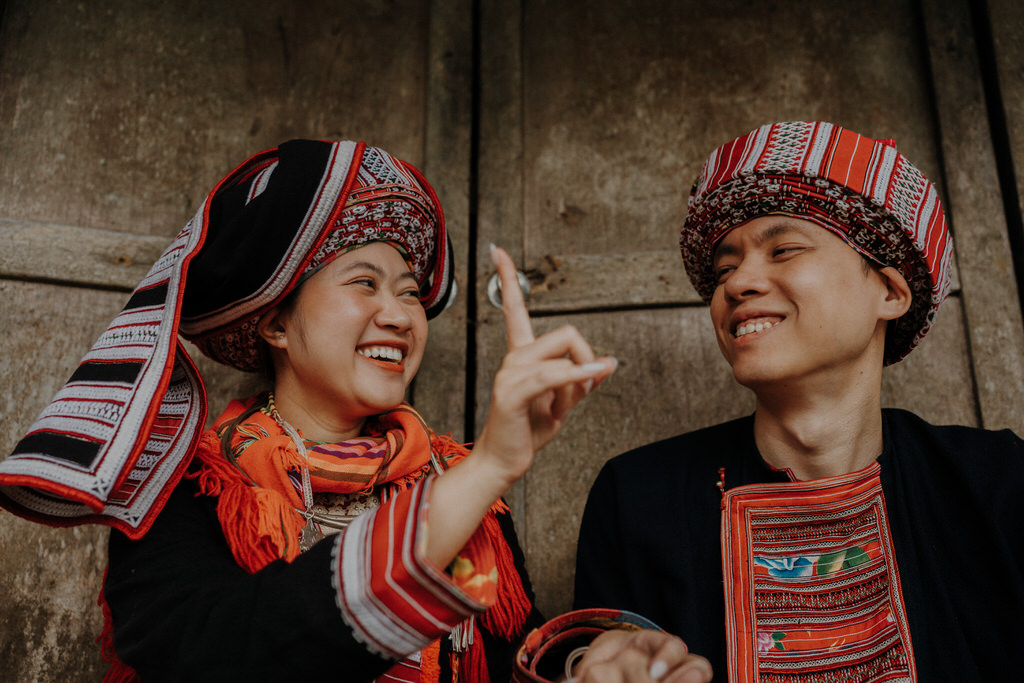
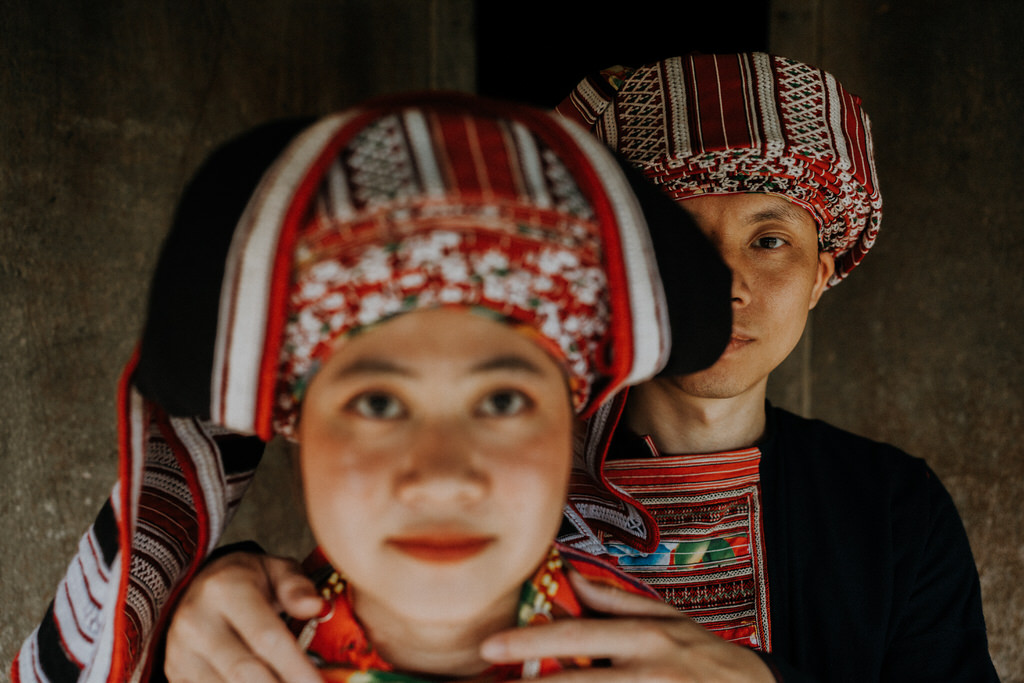
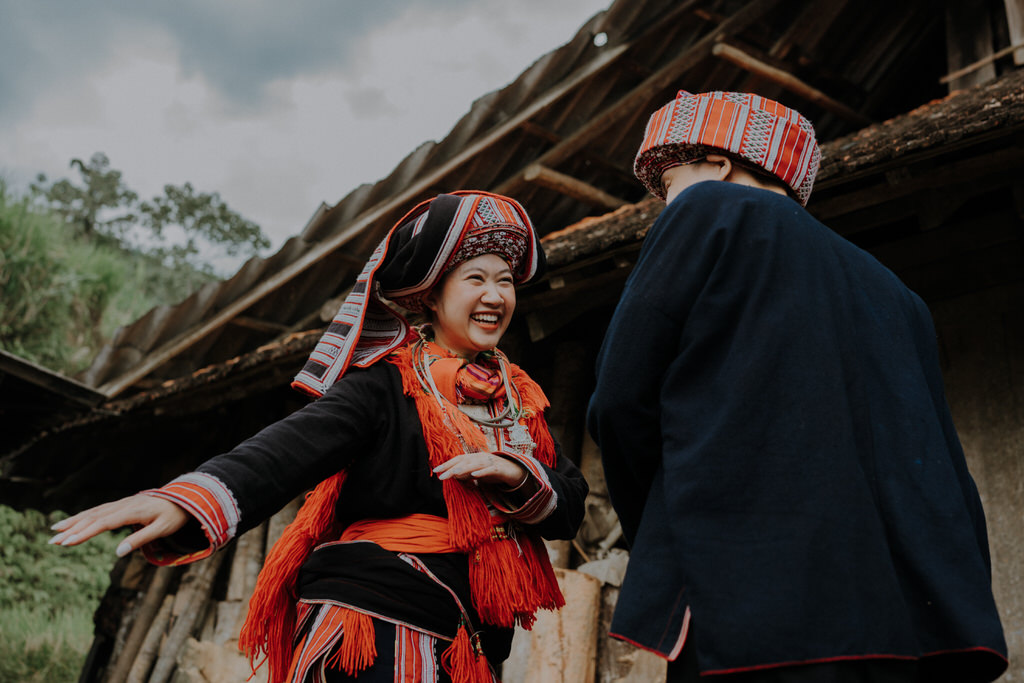
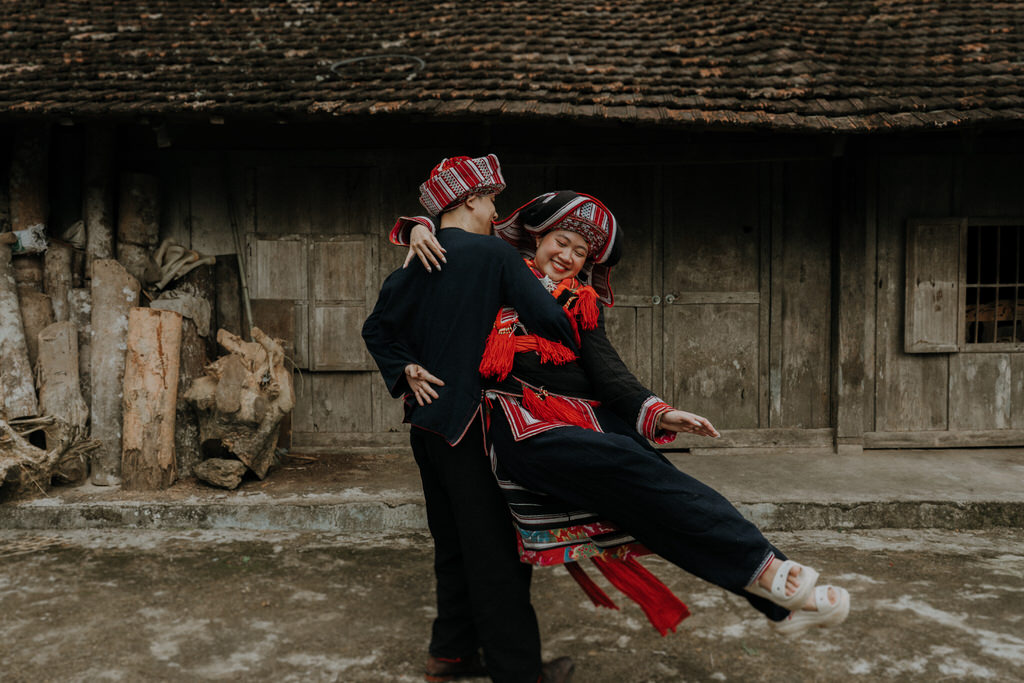
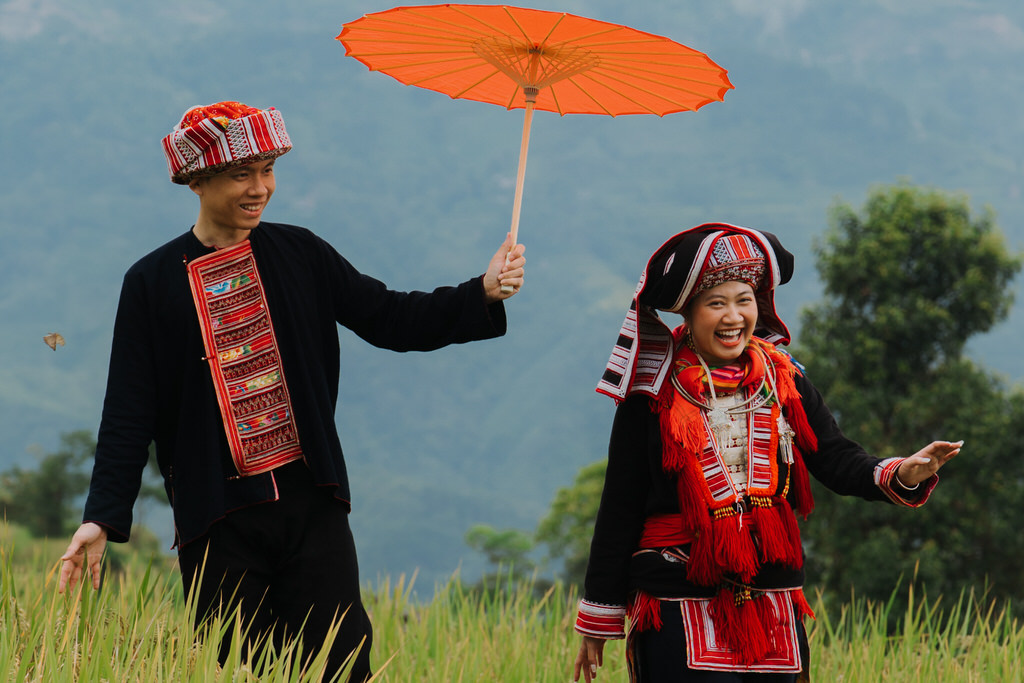
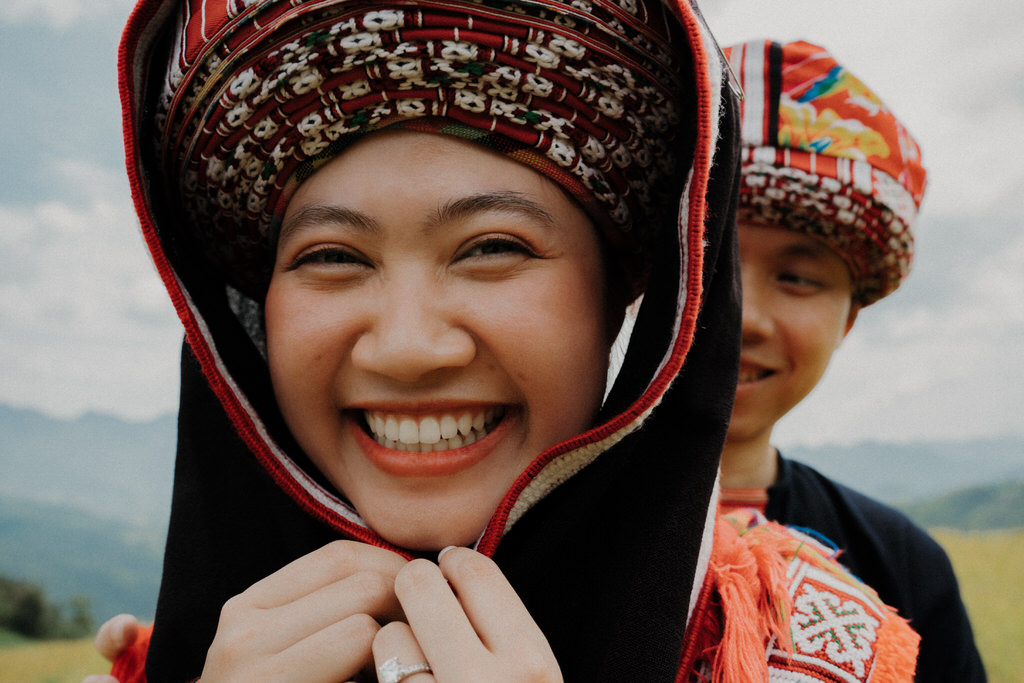
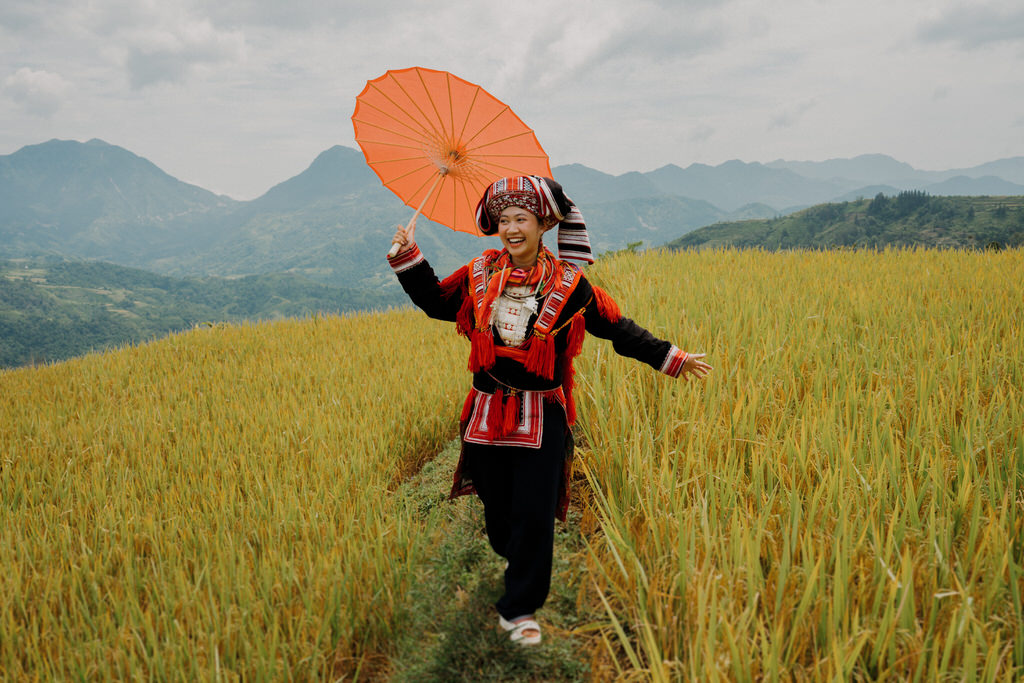
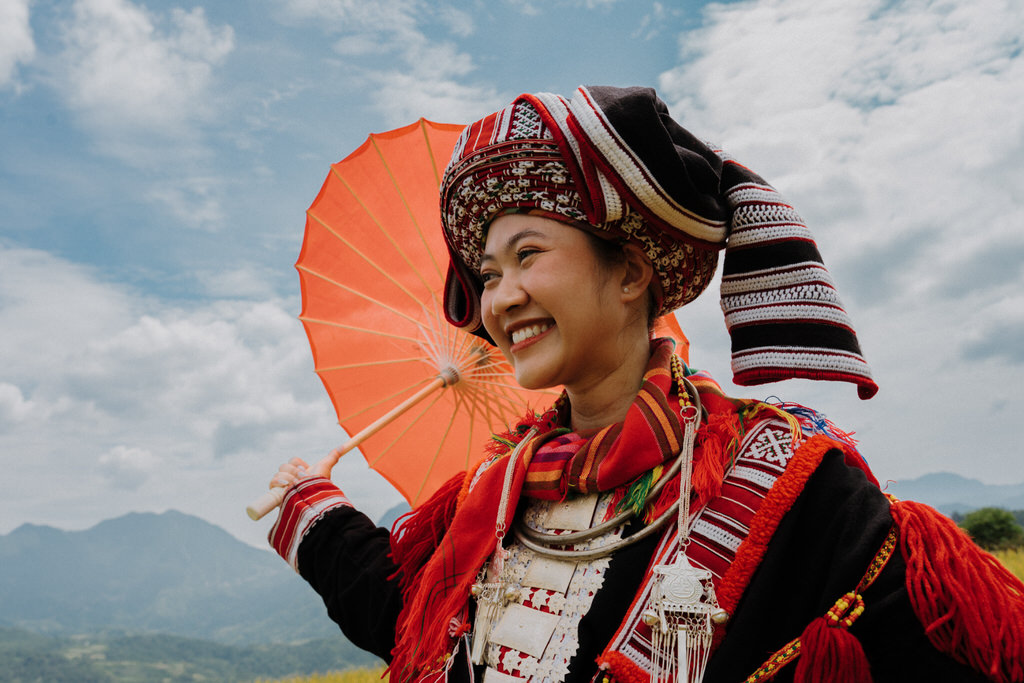
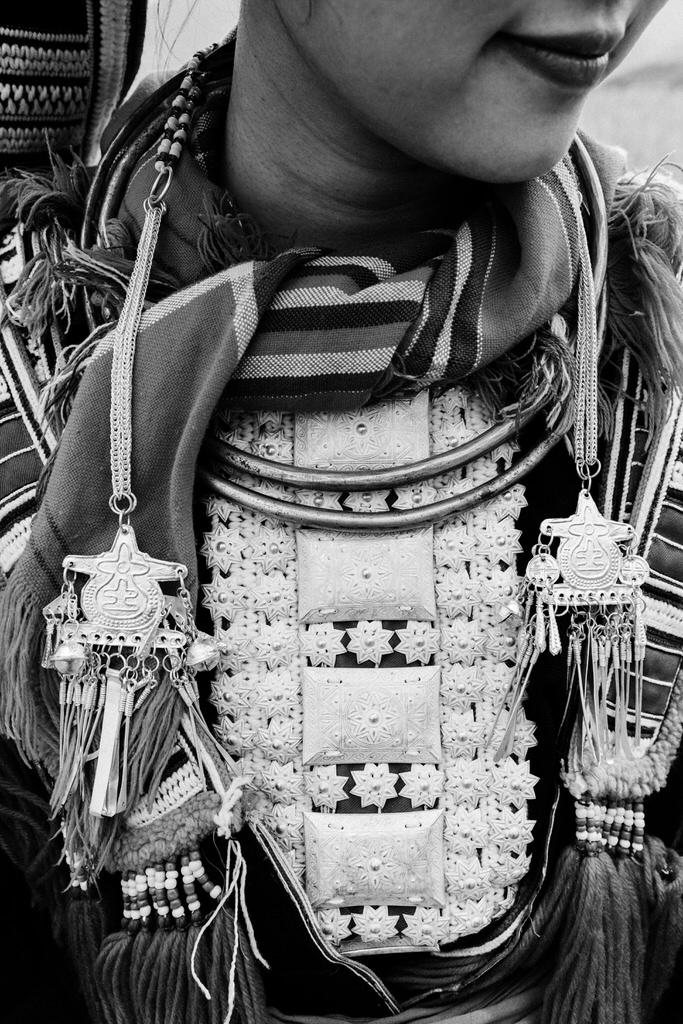
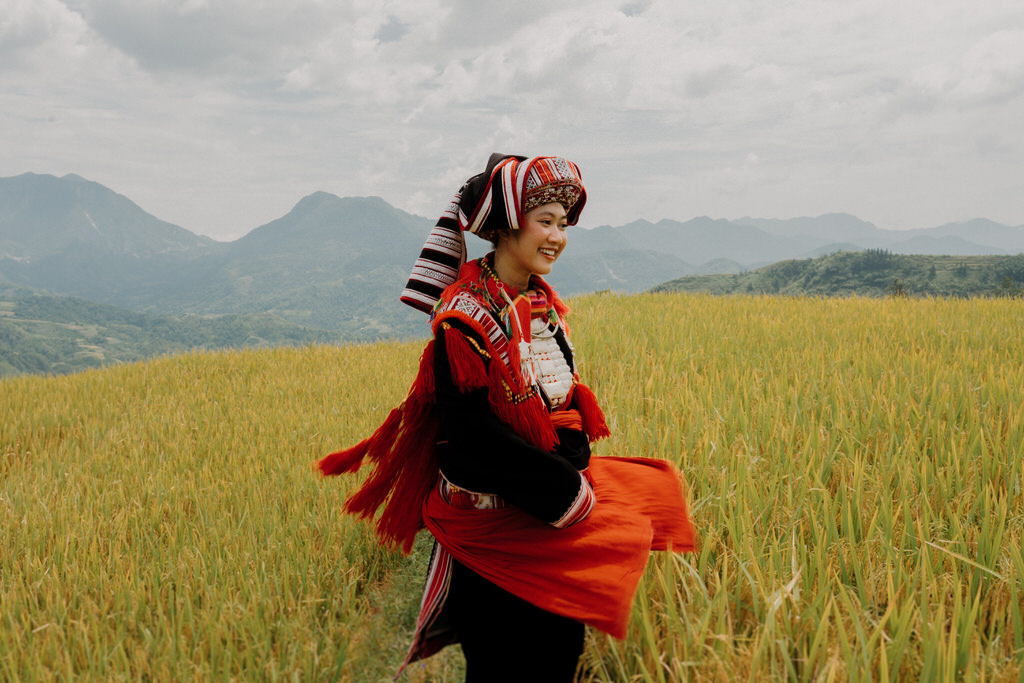
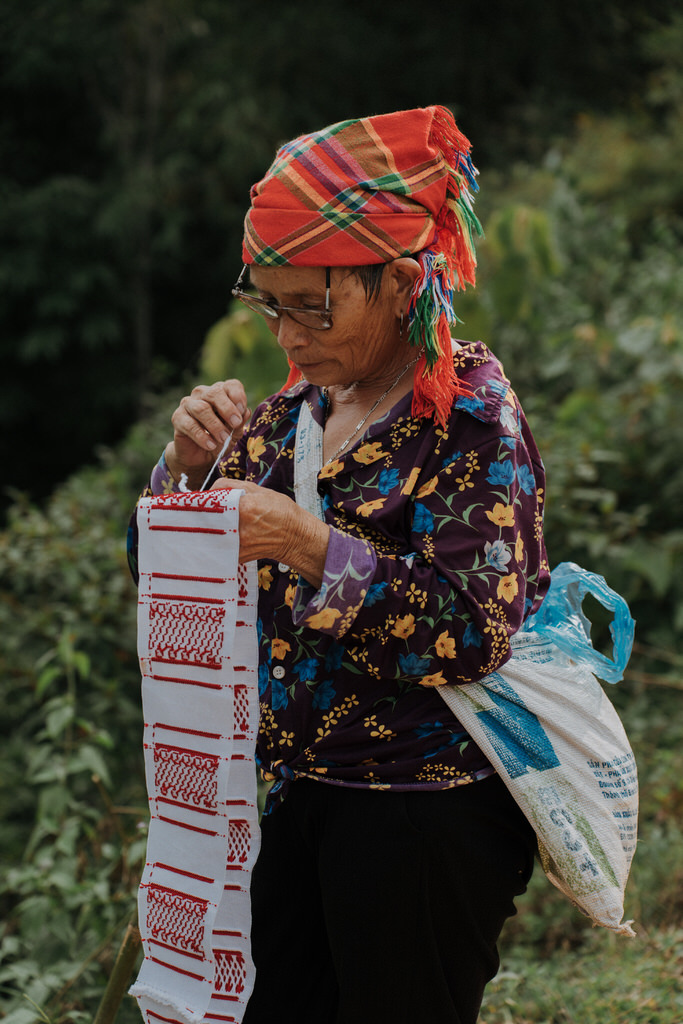
The Red Dao community is known for its distinctive cultural identity, including the vivid red elements of its traditional clothing and customs preserved across generations. What draws us in is not simply the colour or appearance of the garments, but the values behind them: language, writing, life-cycle rituals, and beliefs surrounding family, ancestors and community.
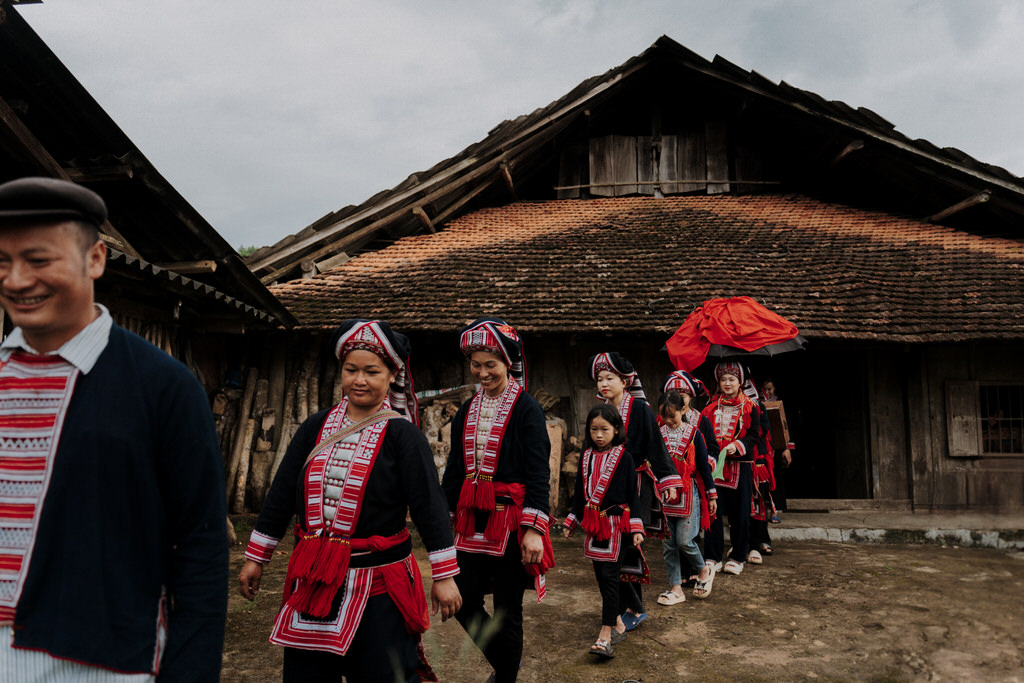
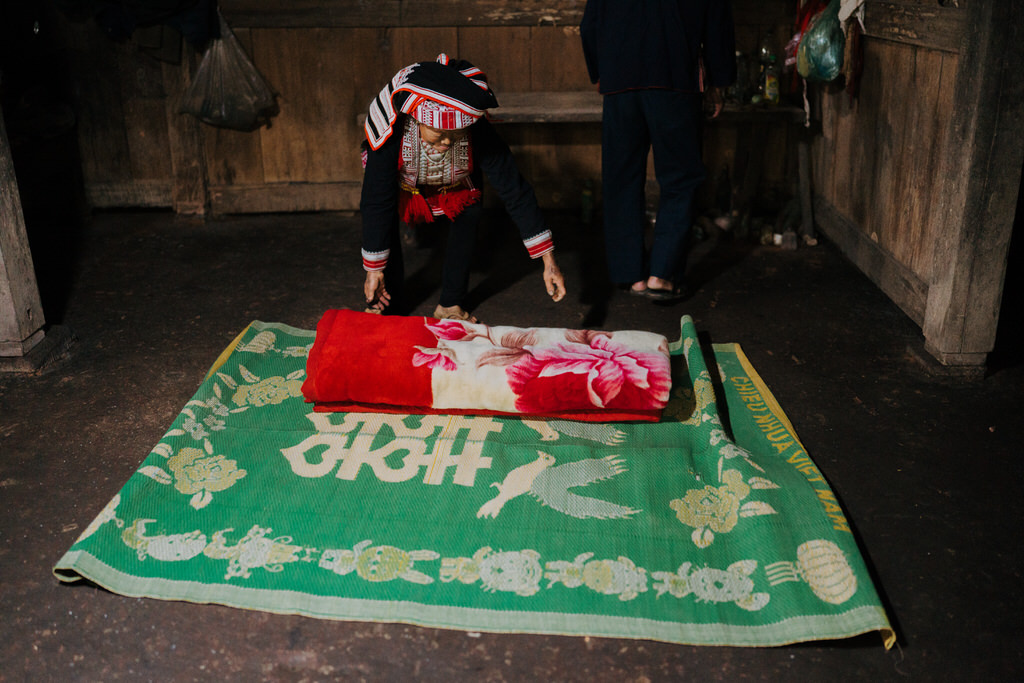
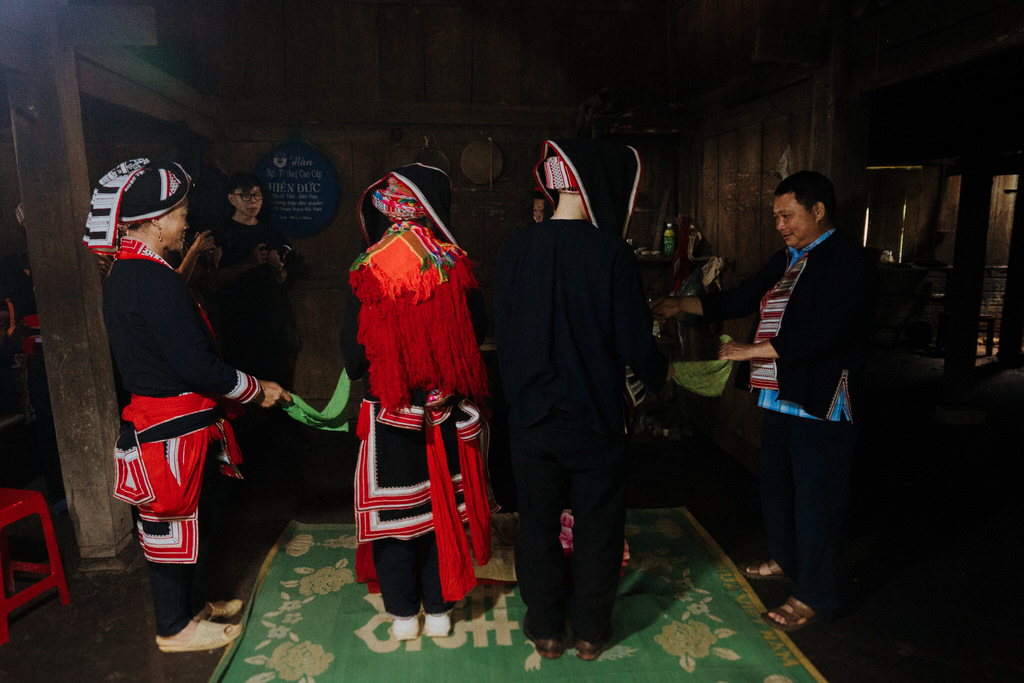
Red Dao wedding customs share certain features, yet can vary considerably from one region, village or local group to another. In the materials we explored about Hồ Thầu in Hoàng Su Phì, a traditional wedding was described as sharing some similarities with the customs of Tả Phìn. The main ceremony takes place at the groom’s home, while the bride’s family may hold a welcoming meal before escorting her to the groom’s house.
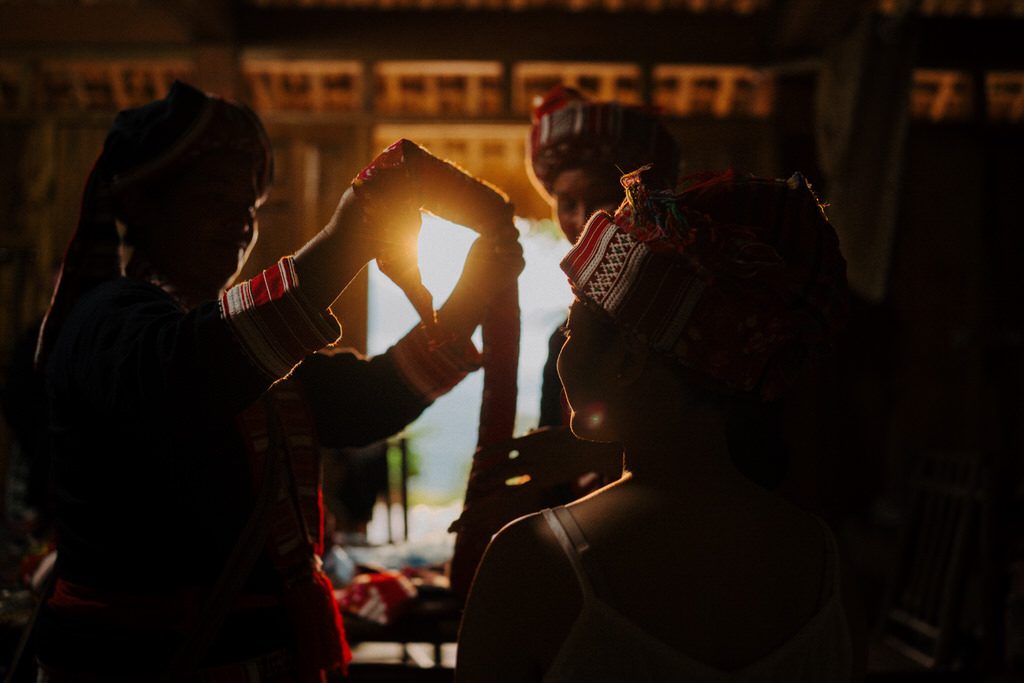
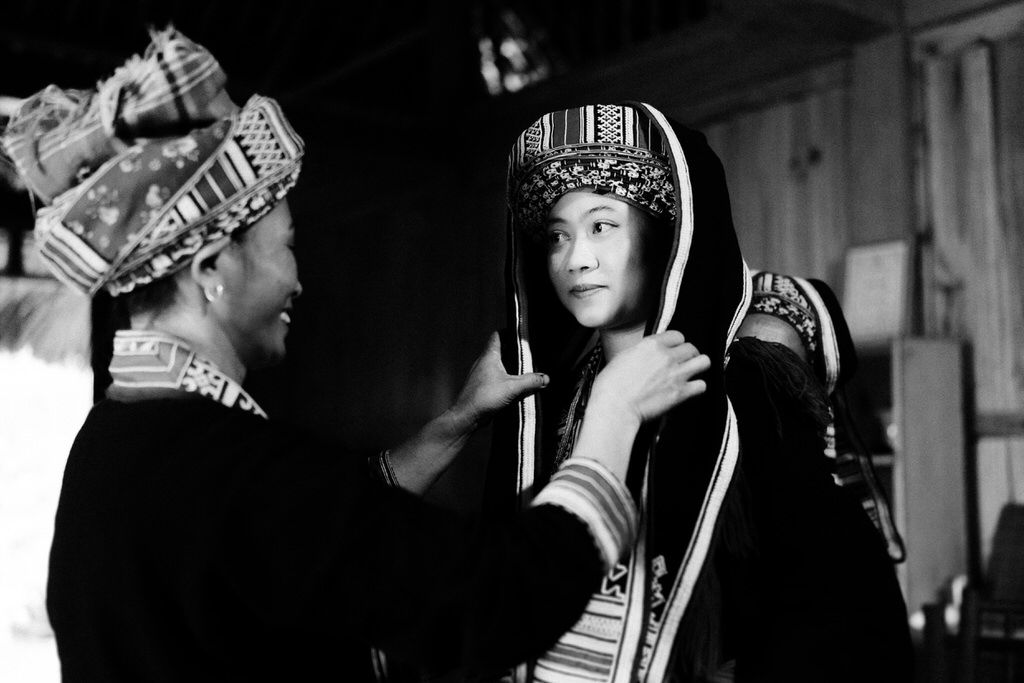
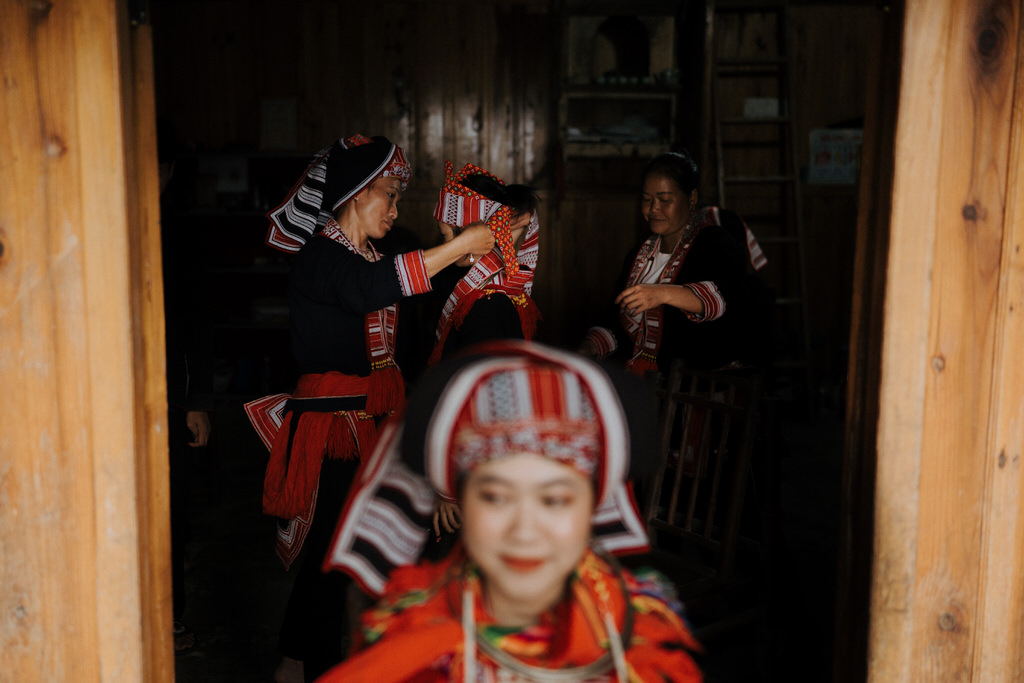
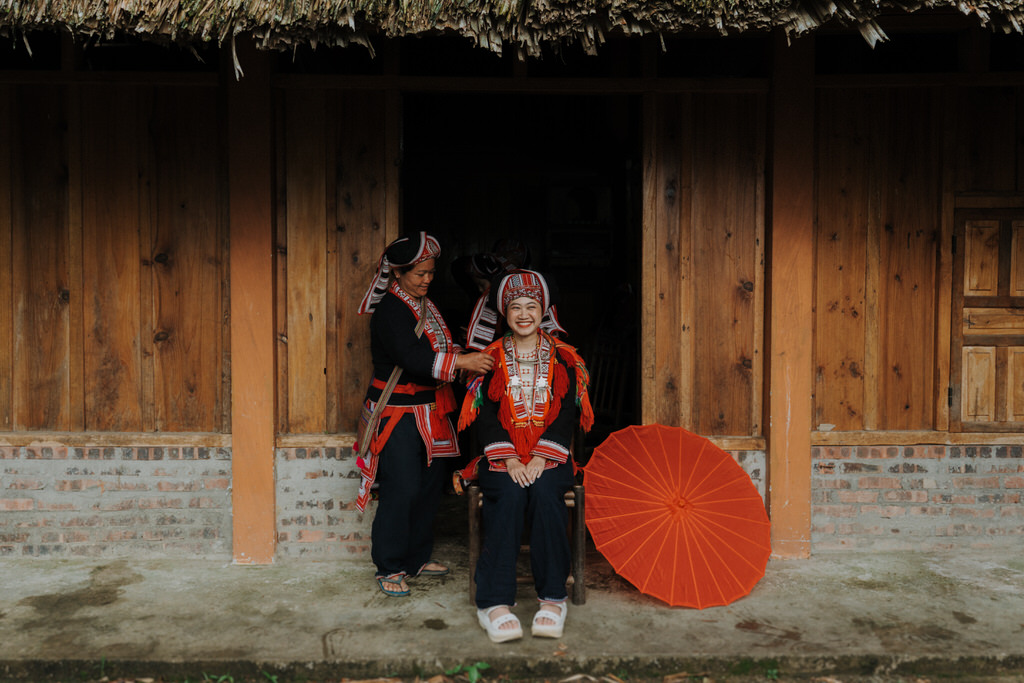
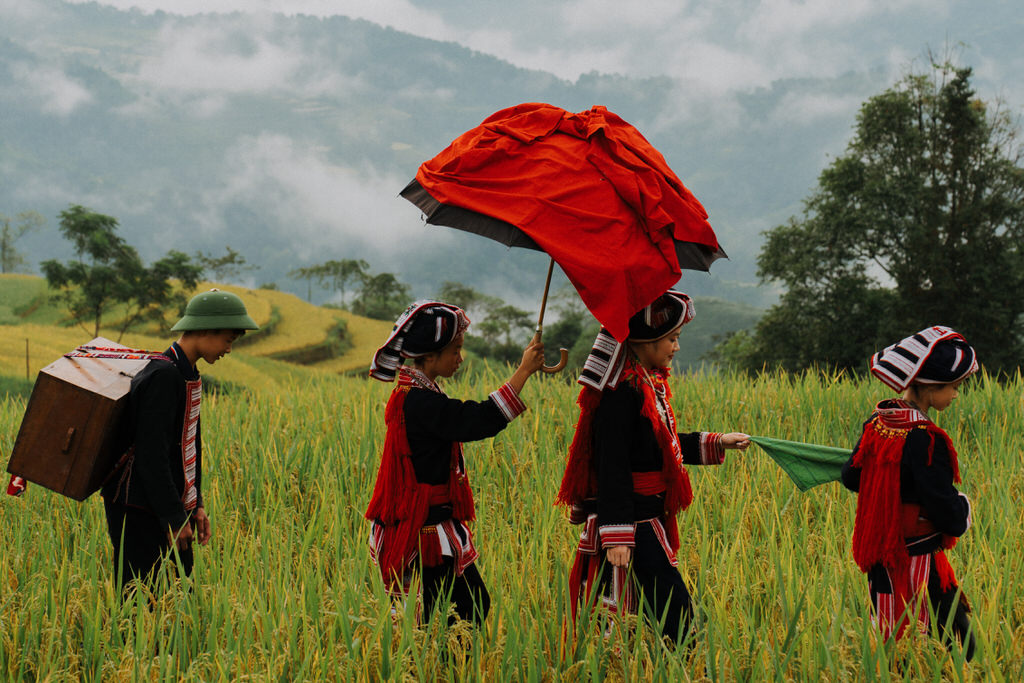
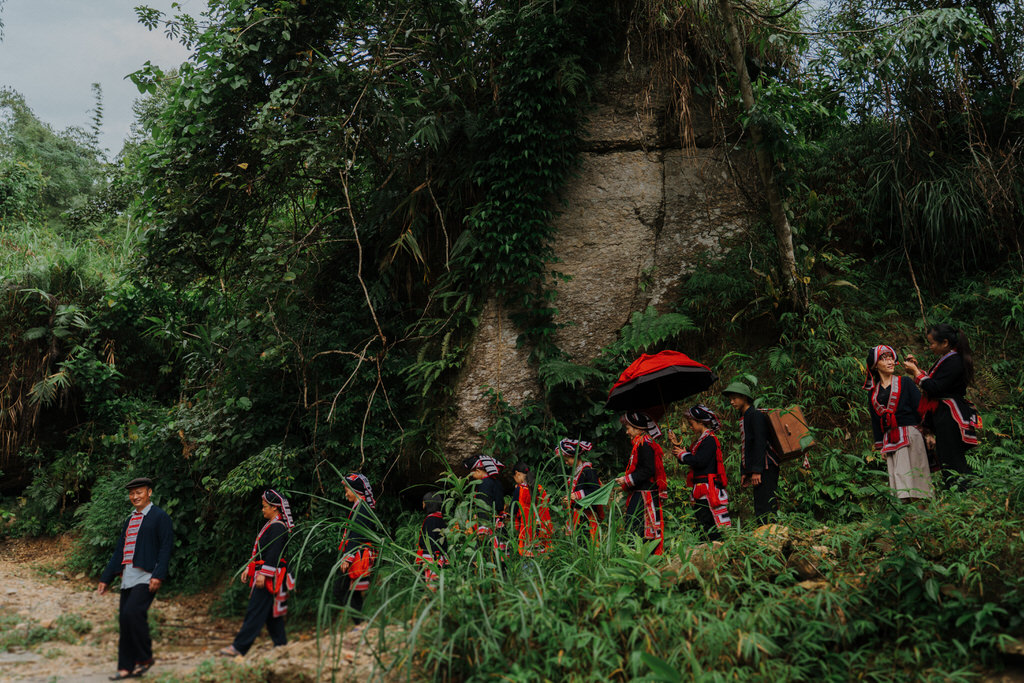
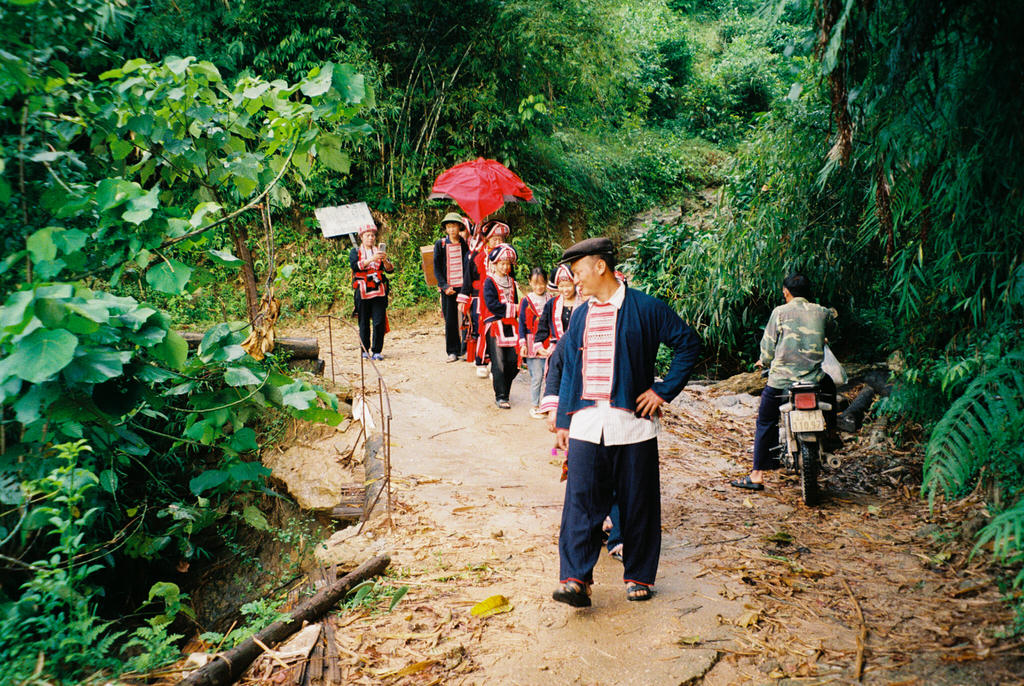
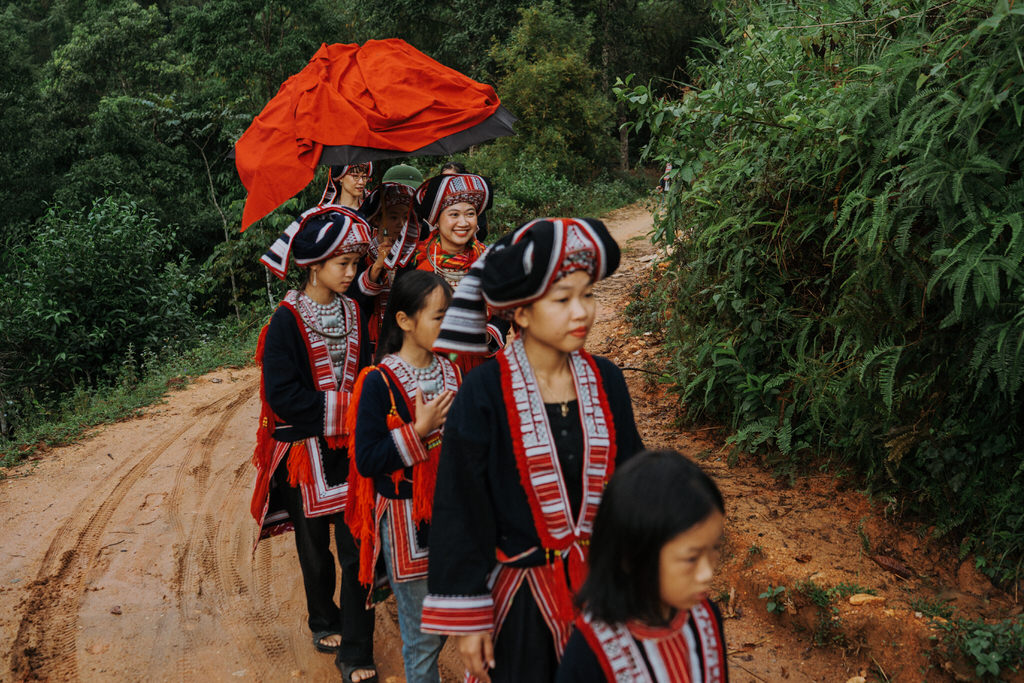
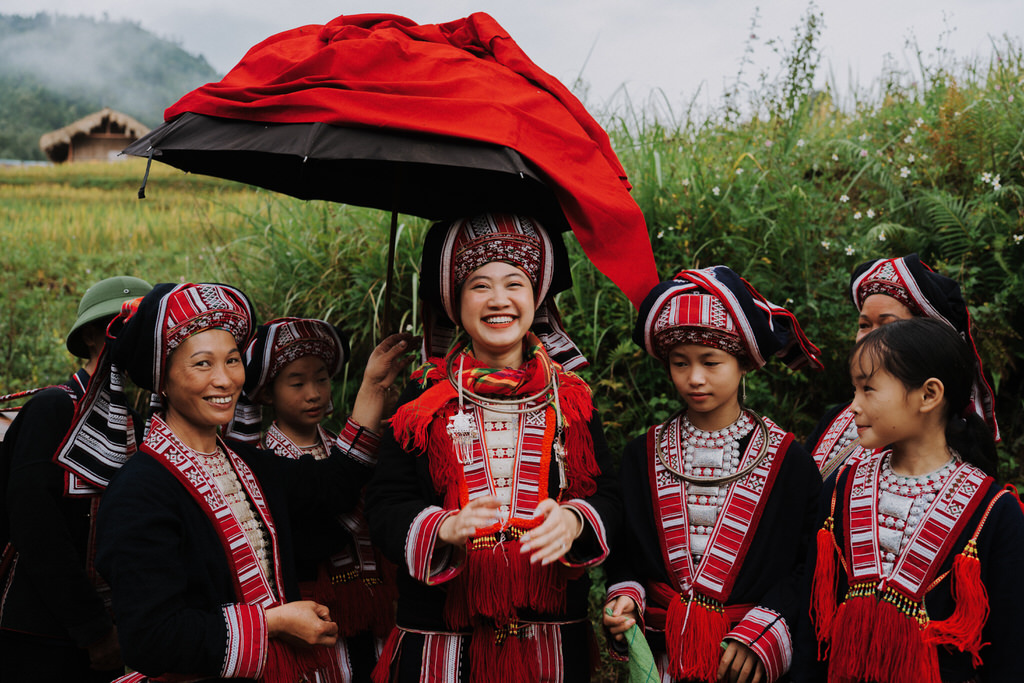
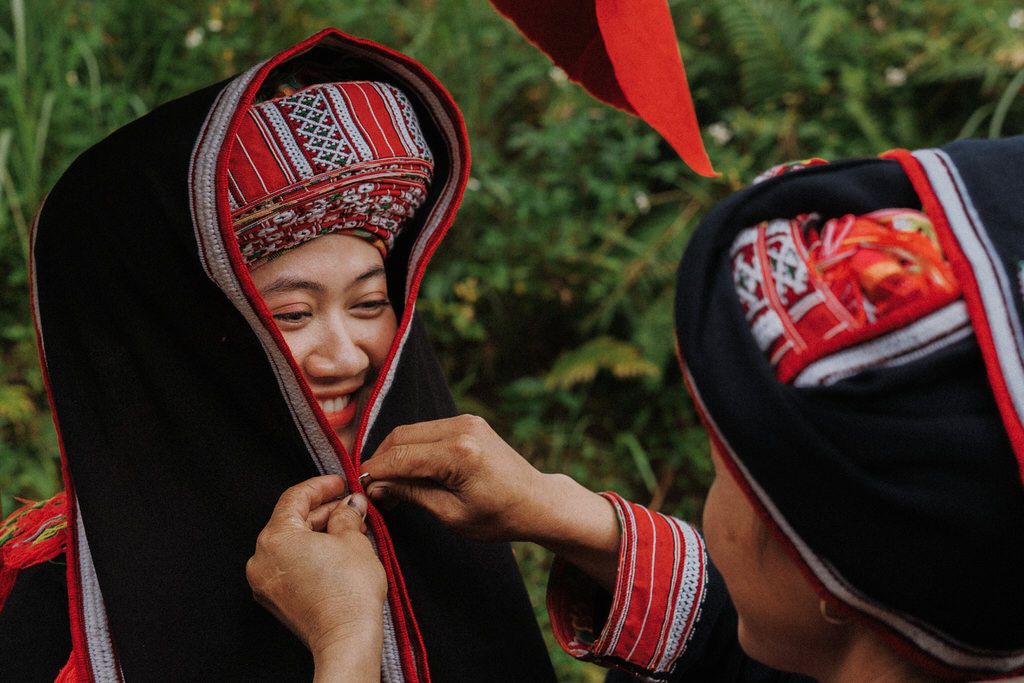
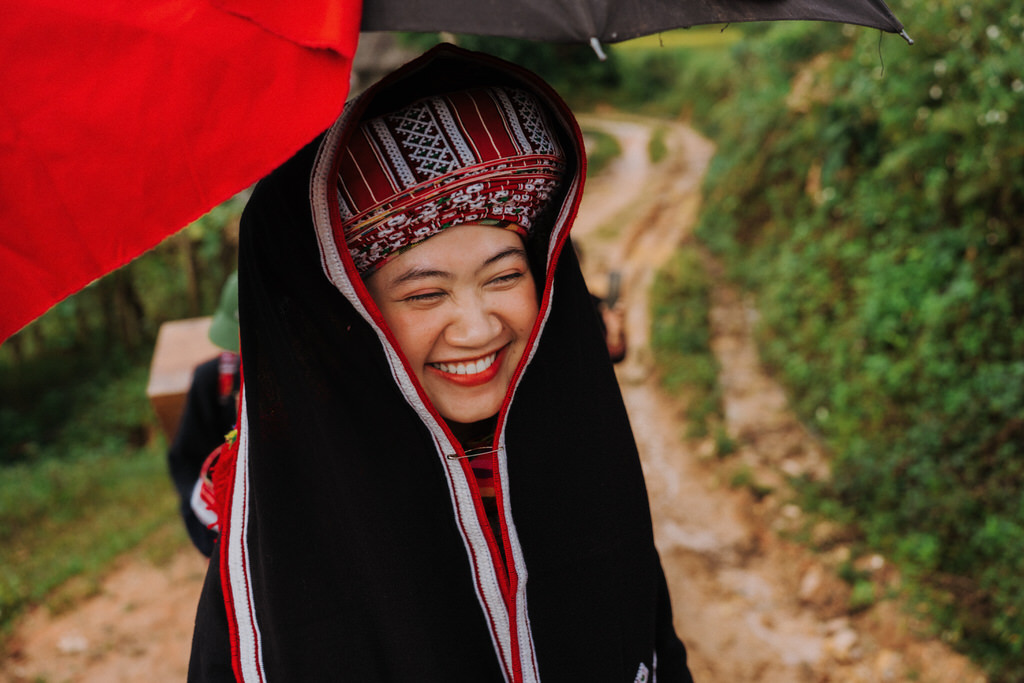
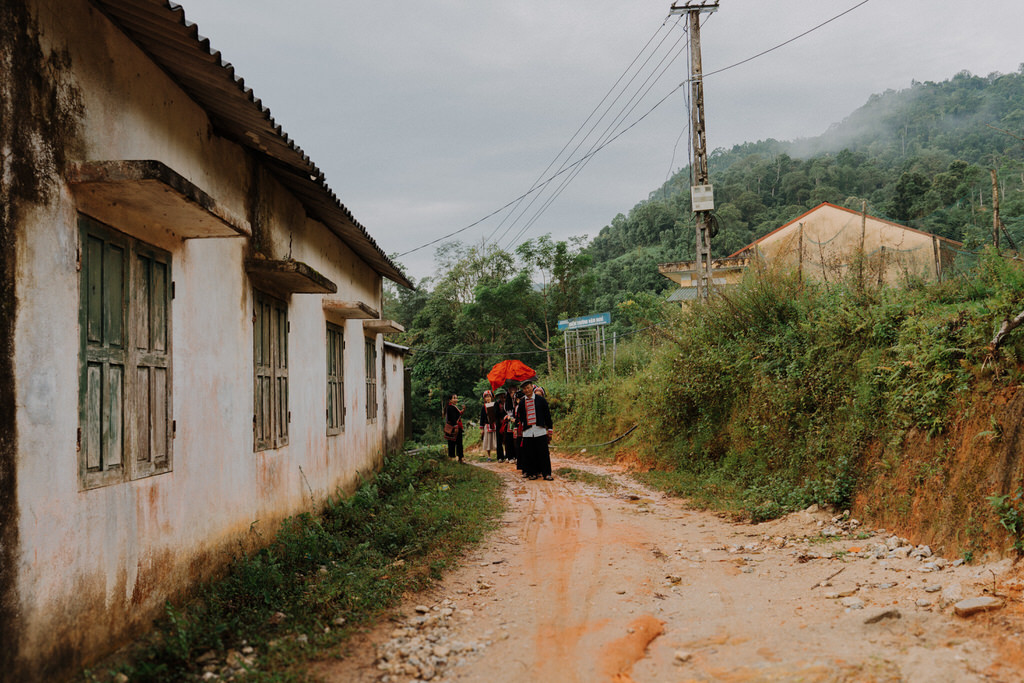
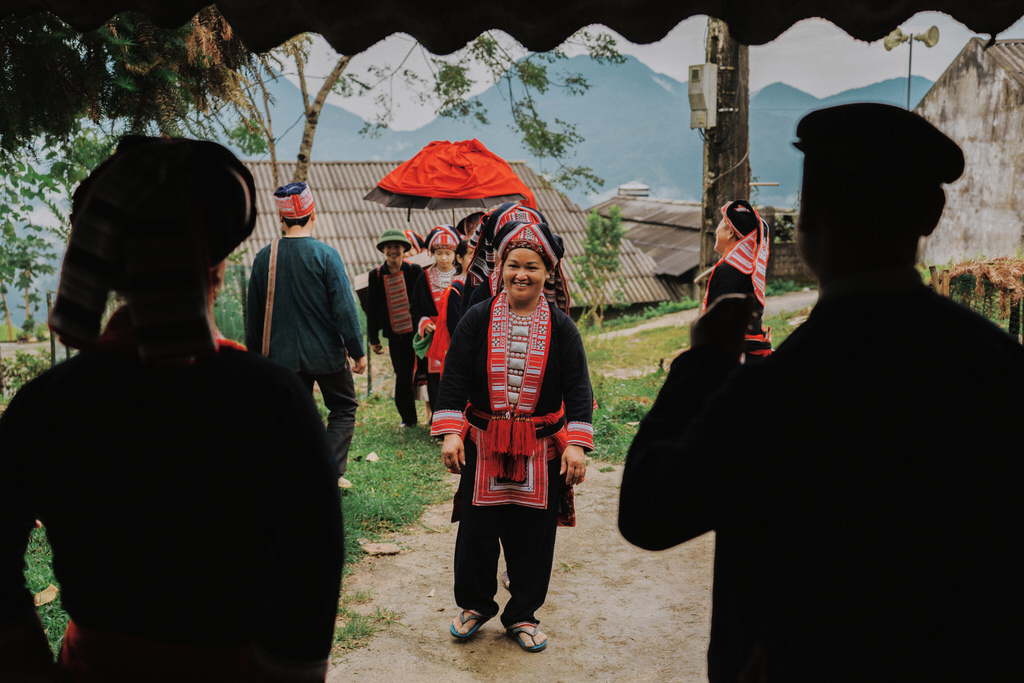
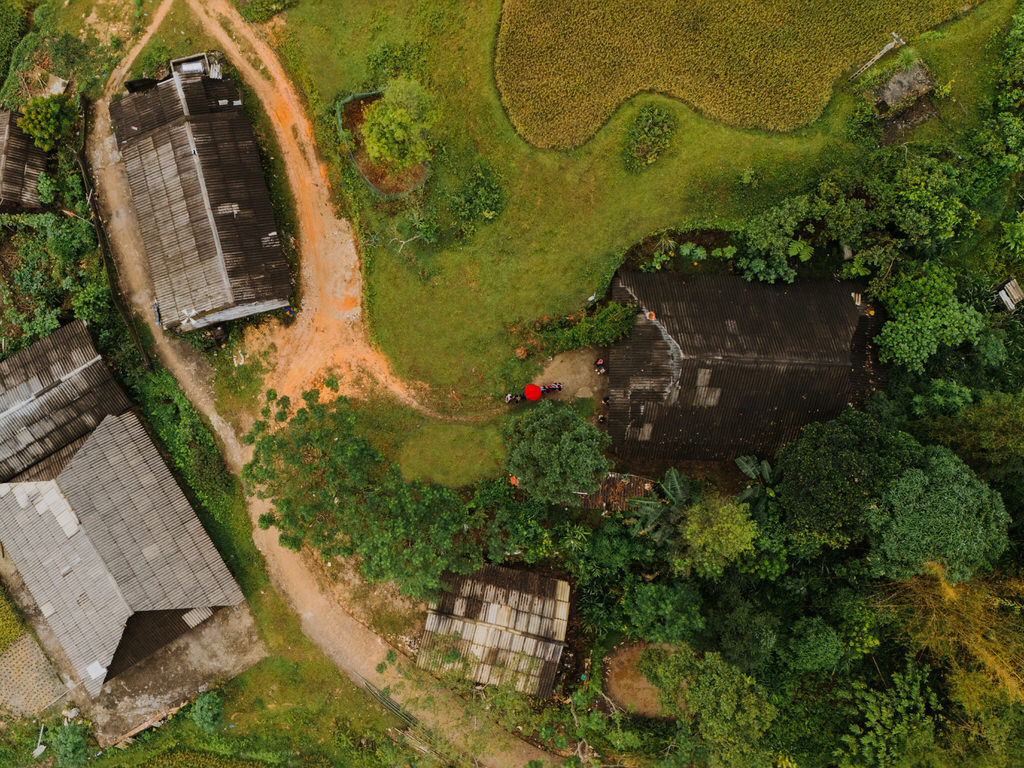
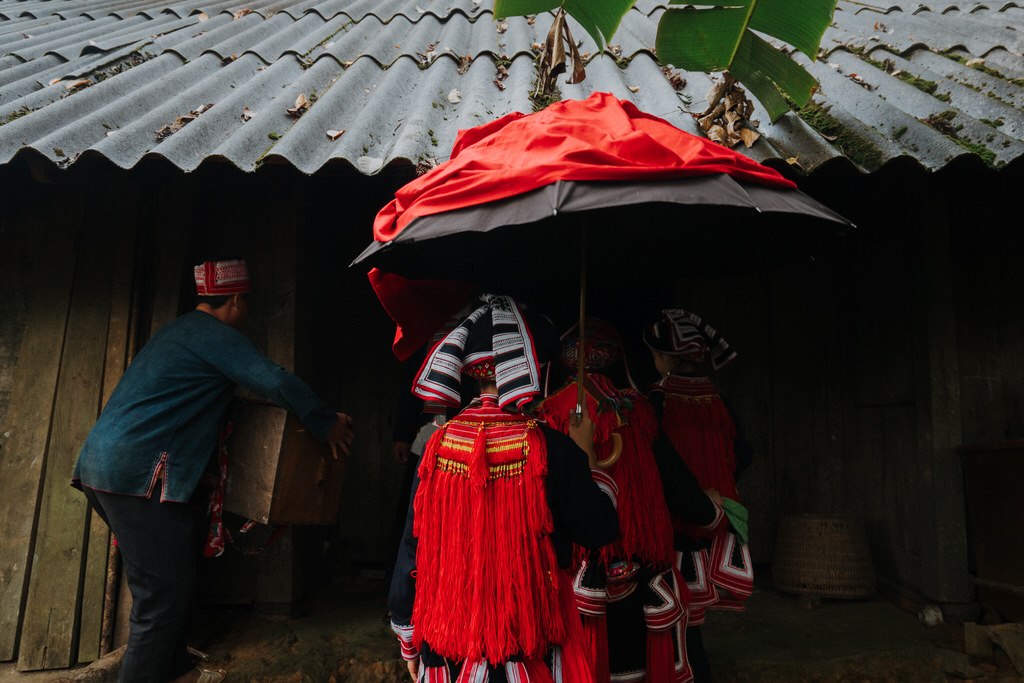
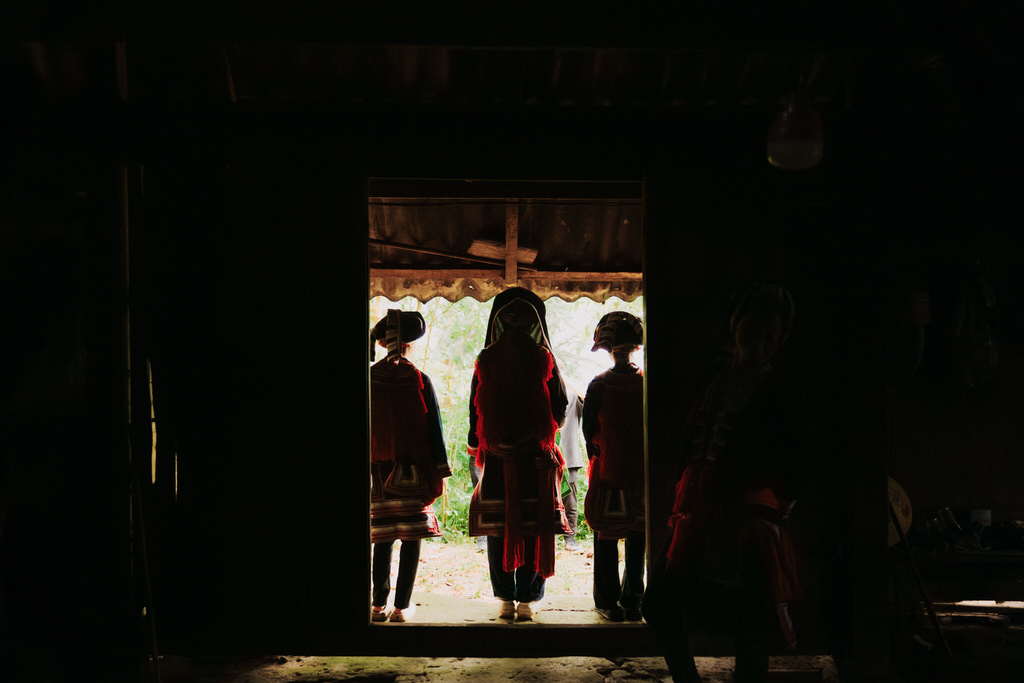
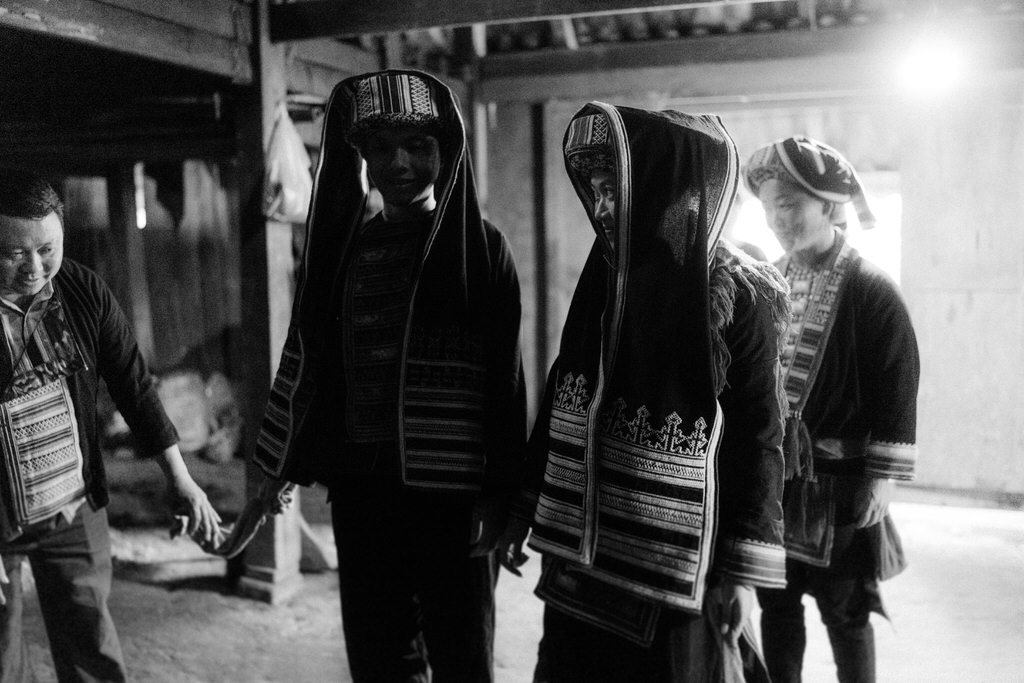
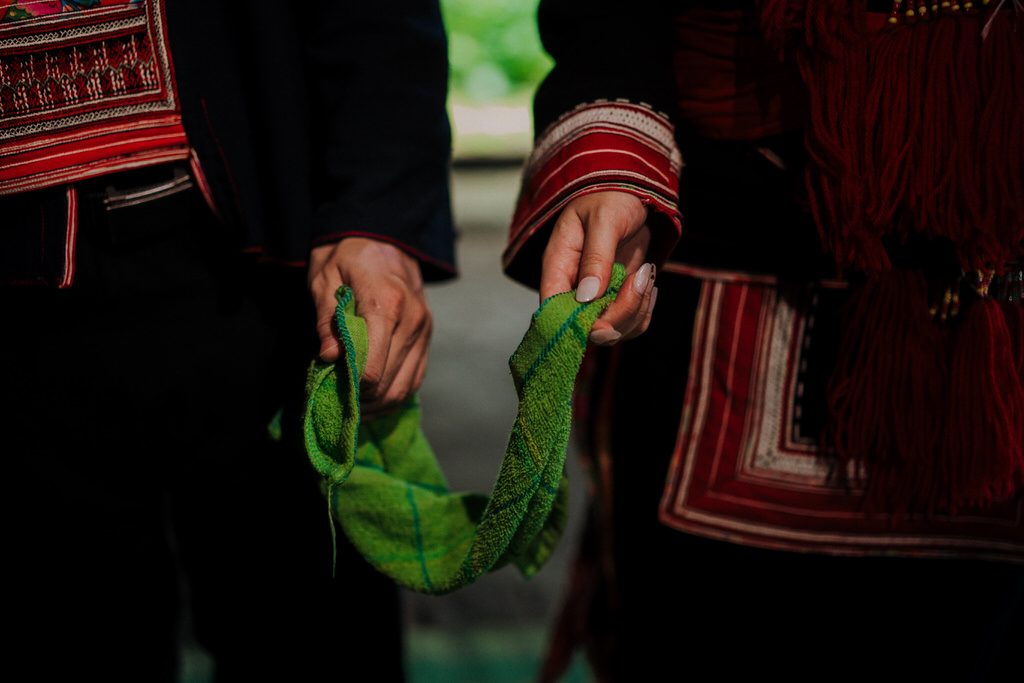
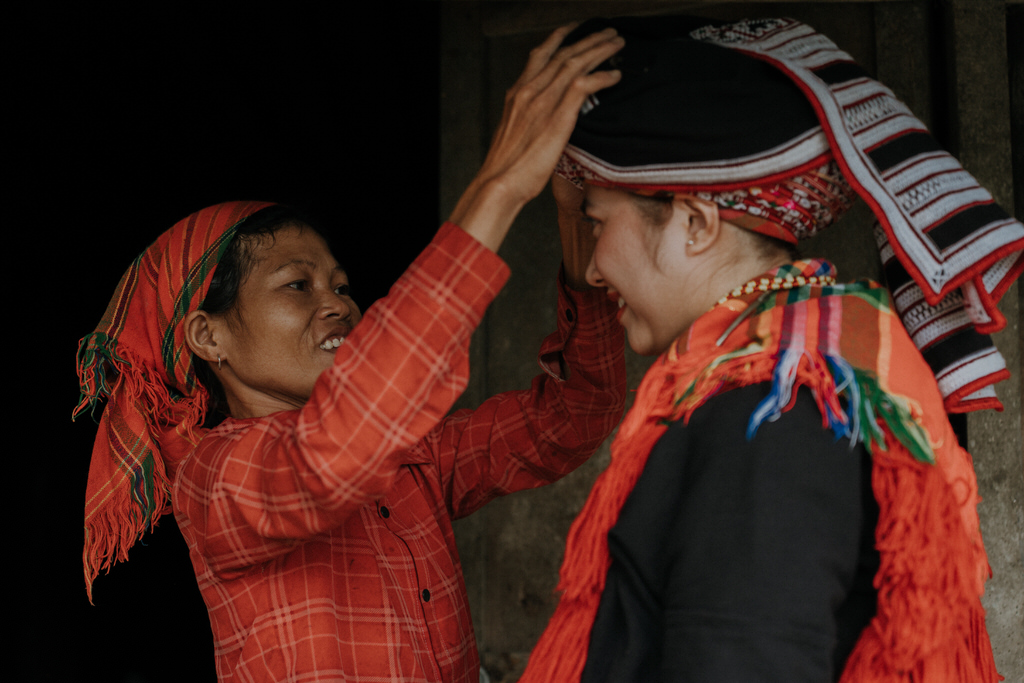
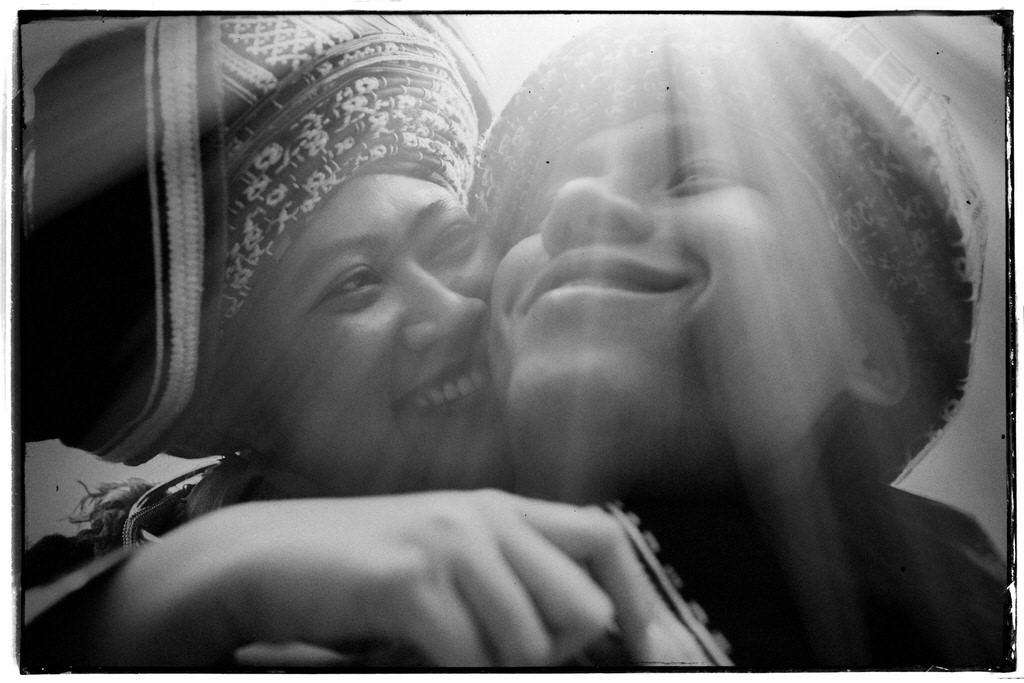
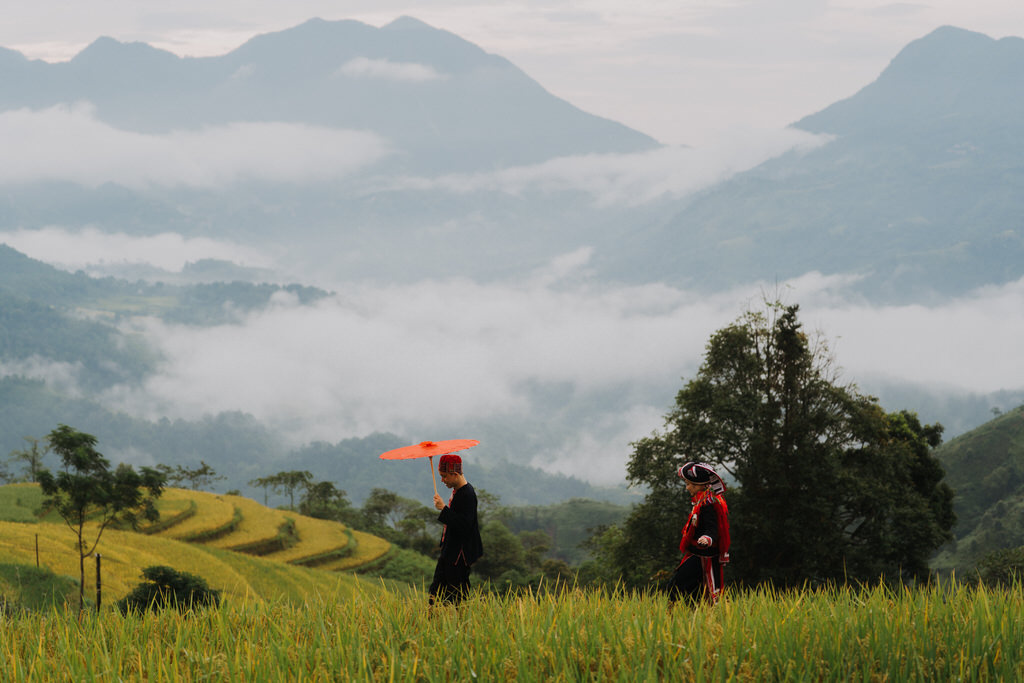
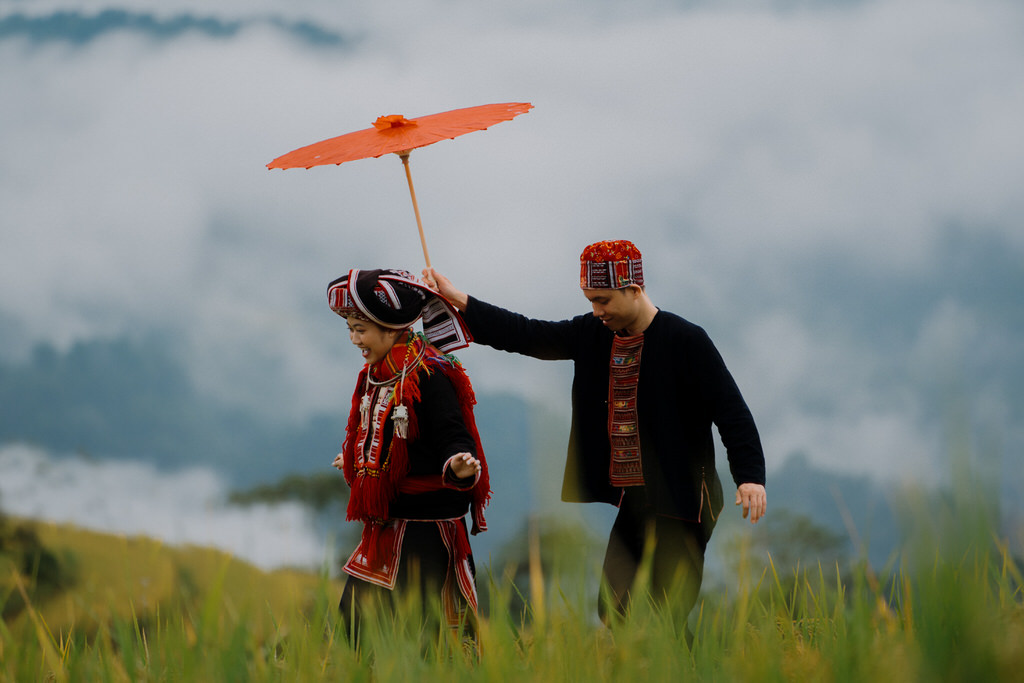
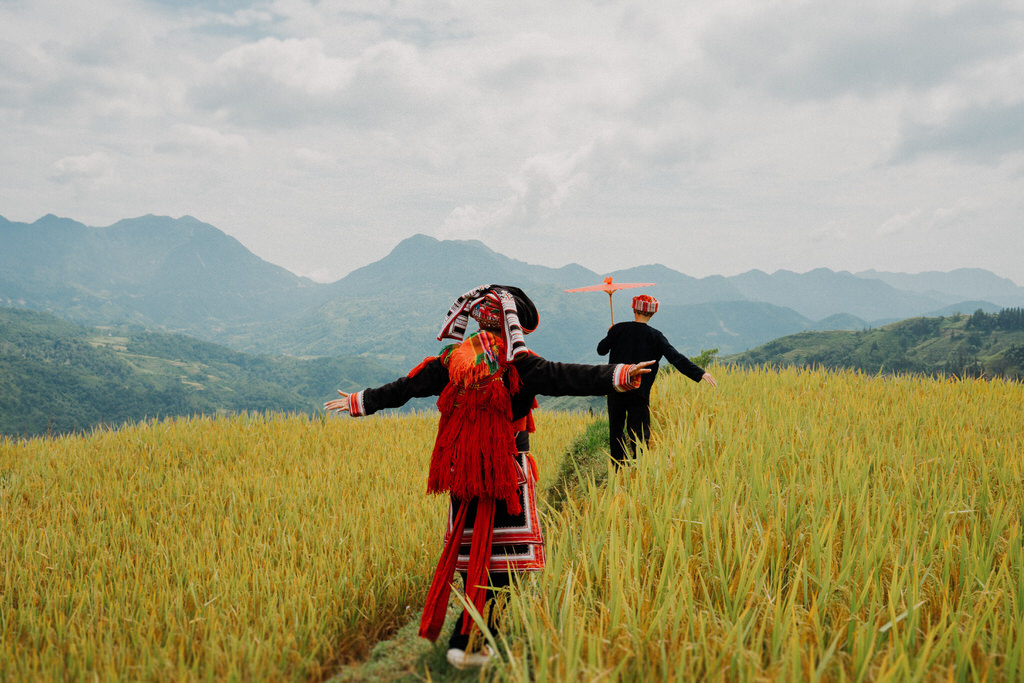
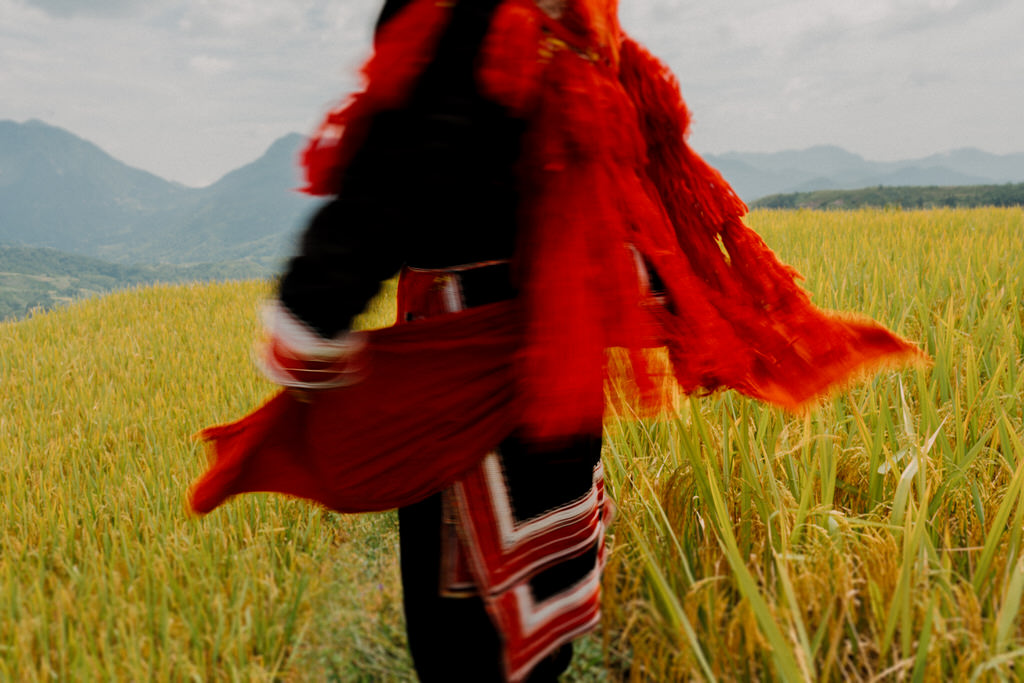
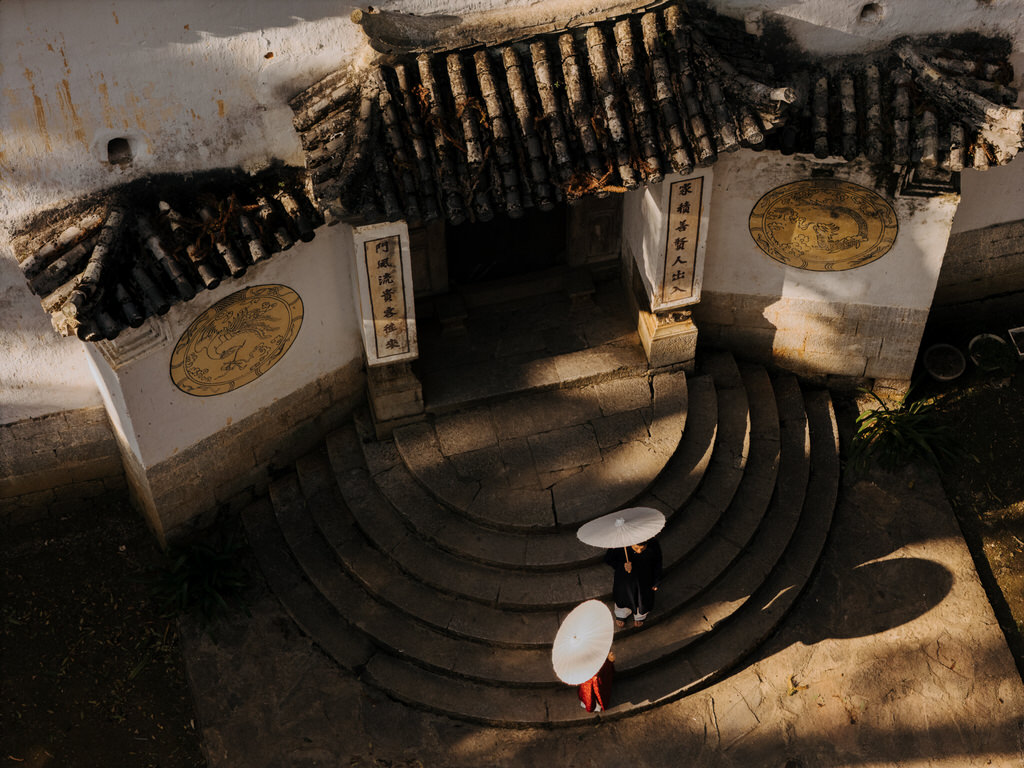
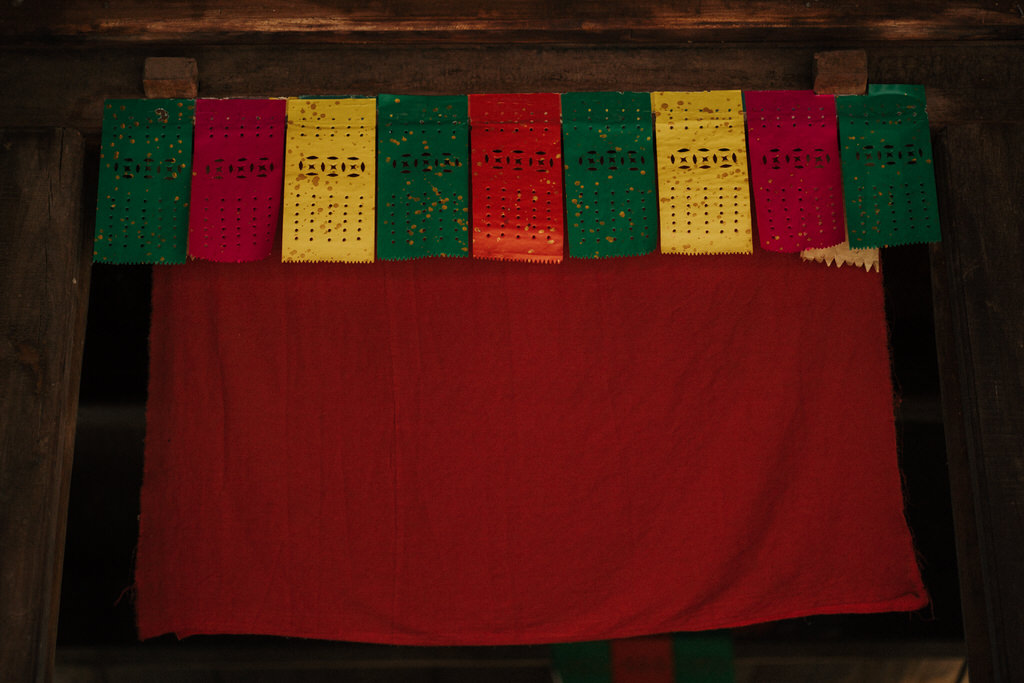
One detail especially caught our attention: the groom’s family does not come to collect the bride. Instead, representatives of her family accompany her to the groom’s home. The bride wears traditional clothing, including a red jacket, an undergarment, silver ornaments, a headdress and a waist chain. A bridesmaid holds a red umbrella above her. Along the way, the bride’s face is covered with a red or black cloth, following a local belief that her face should not be exposed directly to the sun. A ritual to ward off misfortune takes place before she enters the groom’s home.
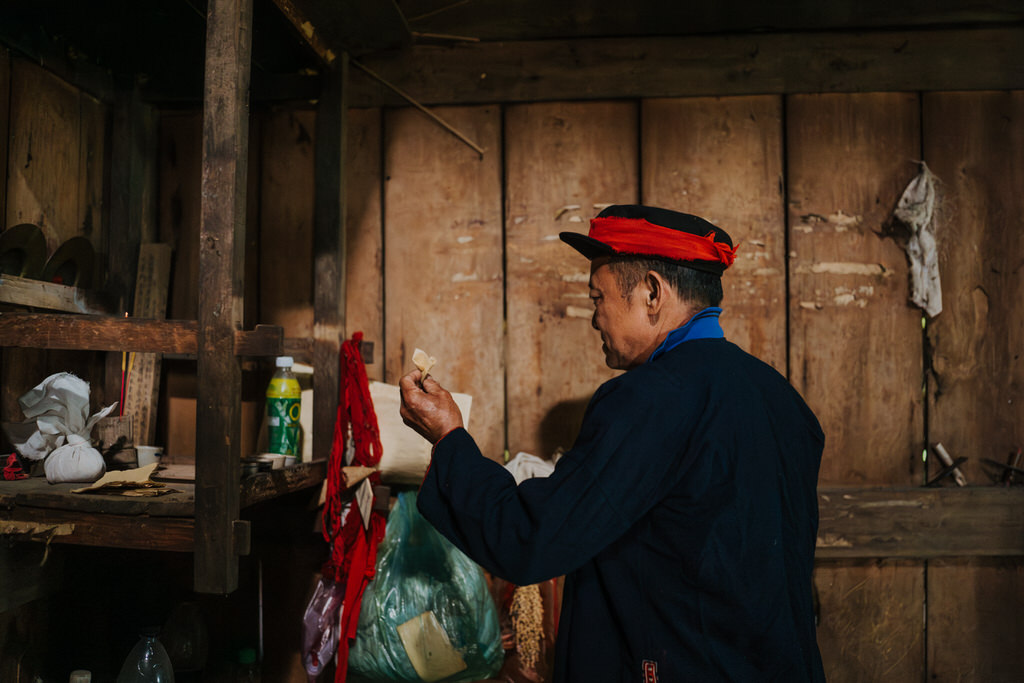
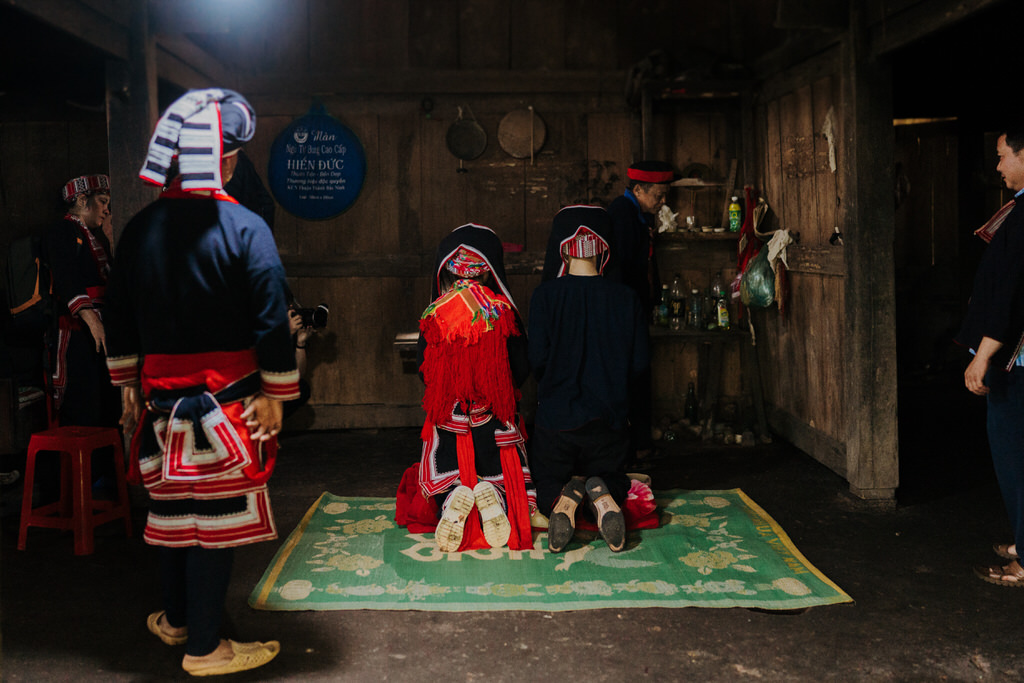
Upon arrival, the party waits for an auspicious time. A ritual specialist informs the ancestors before the next ceremonies begin. The wedding may continue for two days and two nights, with Páo Dung singing filling the wedding night.
For photographers, these rituals create a powerful visual narrative: the veiled bride, the procession through the village, the entrance to the groom’s home, the ritual to ward off misfortune, the first meeting with the groom, and the act of informing the ancestors. Each moment carries its own meaning, while together they form a story that unfolds naturally.
Since the day we first picked up a camera and began working in the wedding industry, we have dreamed of bringing distinctive cultural traditions into the wedding experience. Through determination and a shared desire to learn, we were finally able to create moments we had once only imagined. To witness and take part in this experience was deeply moving — like being allowed a little closer to a cultural legacy passed down through generations.
We feel grateful and humbled to have had the chance to learn, experience and tell a small part of this story through images.
CHAPTER 2 — THE WHITE CLIFF OF MÃ PÍ LÈNG
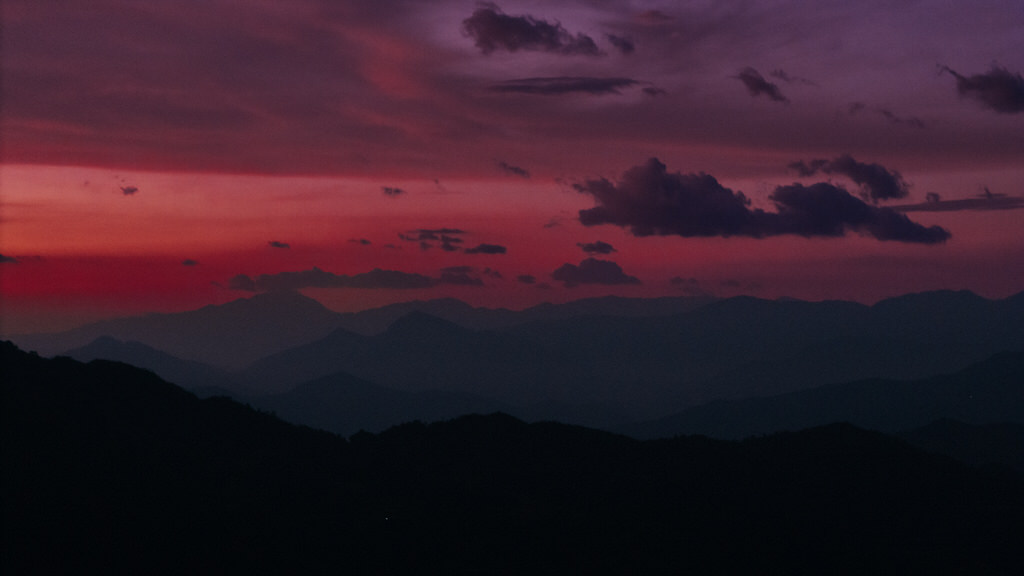
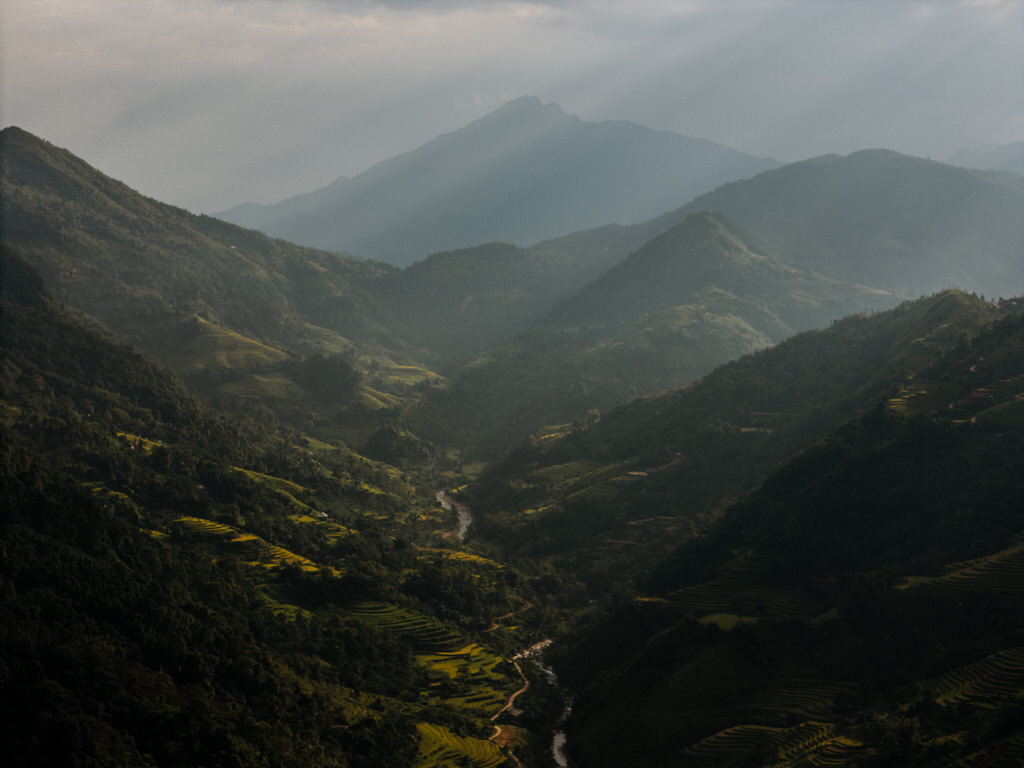
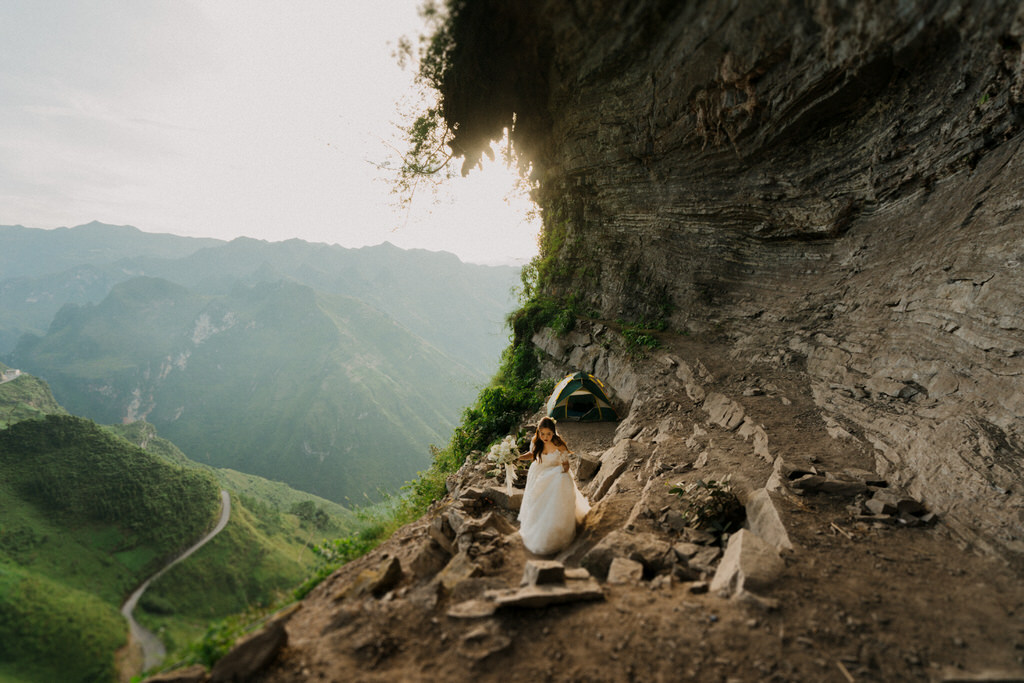
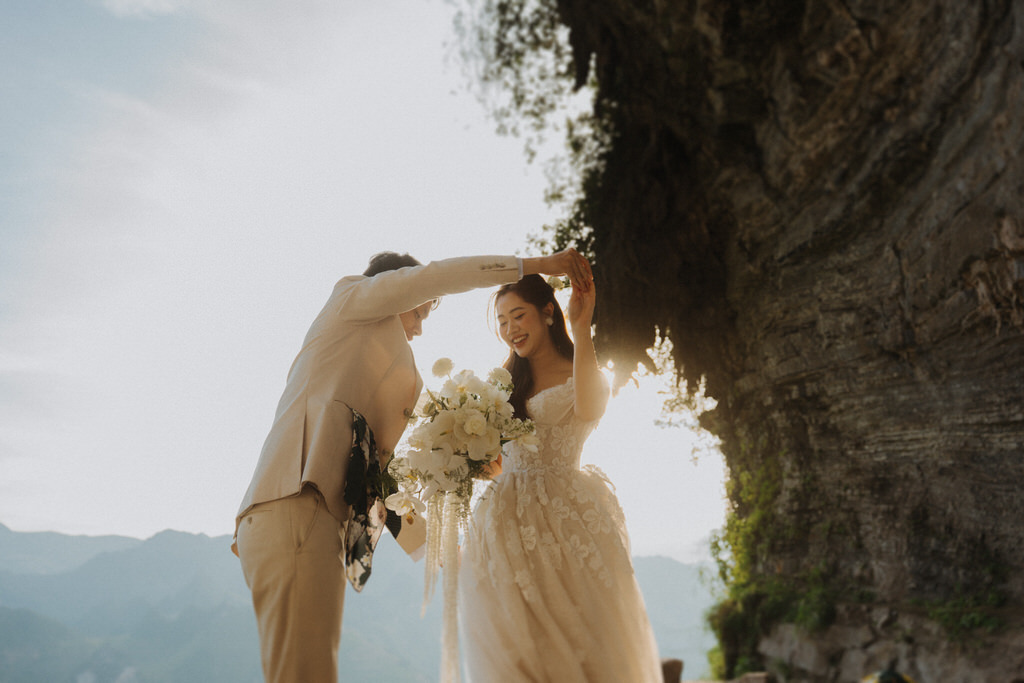
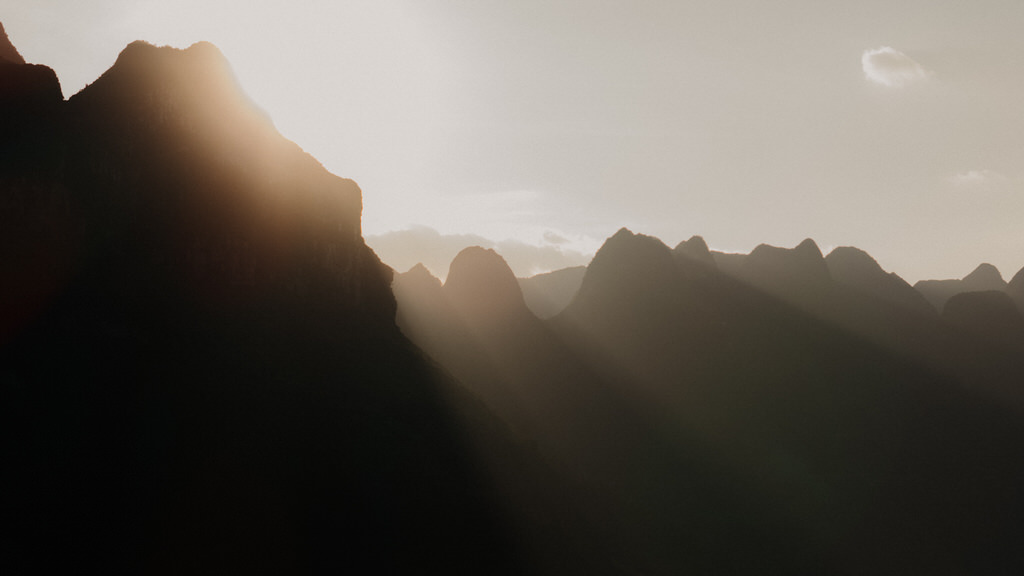
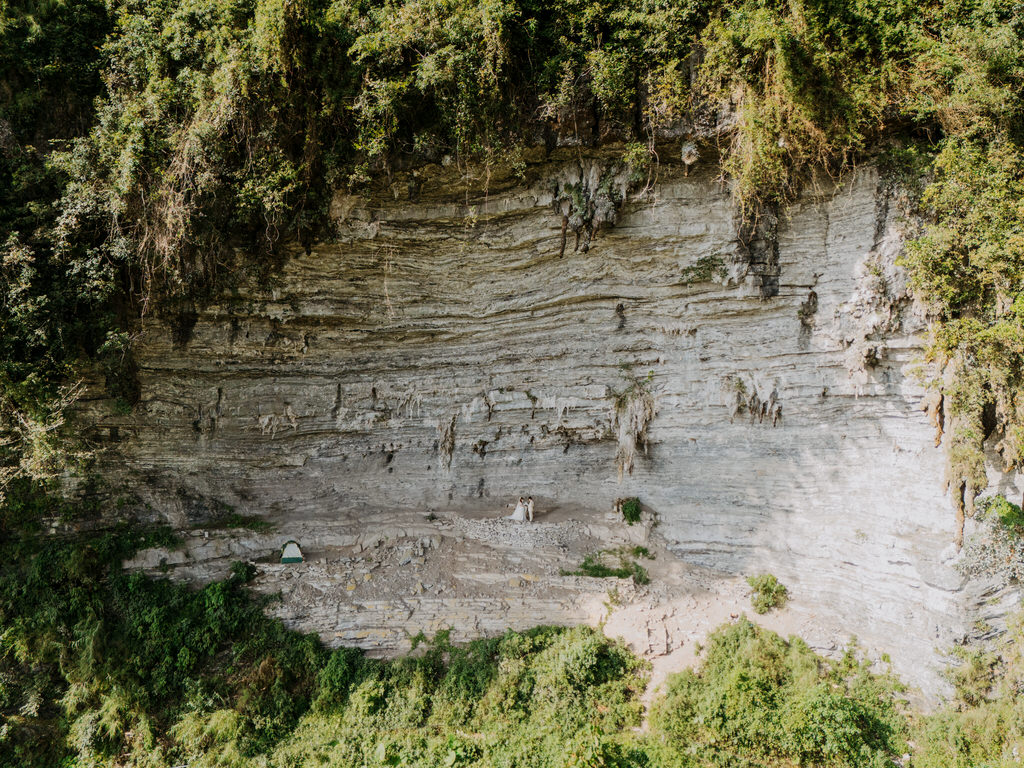
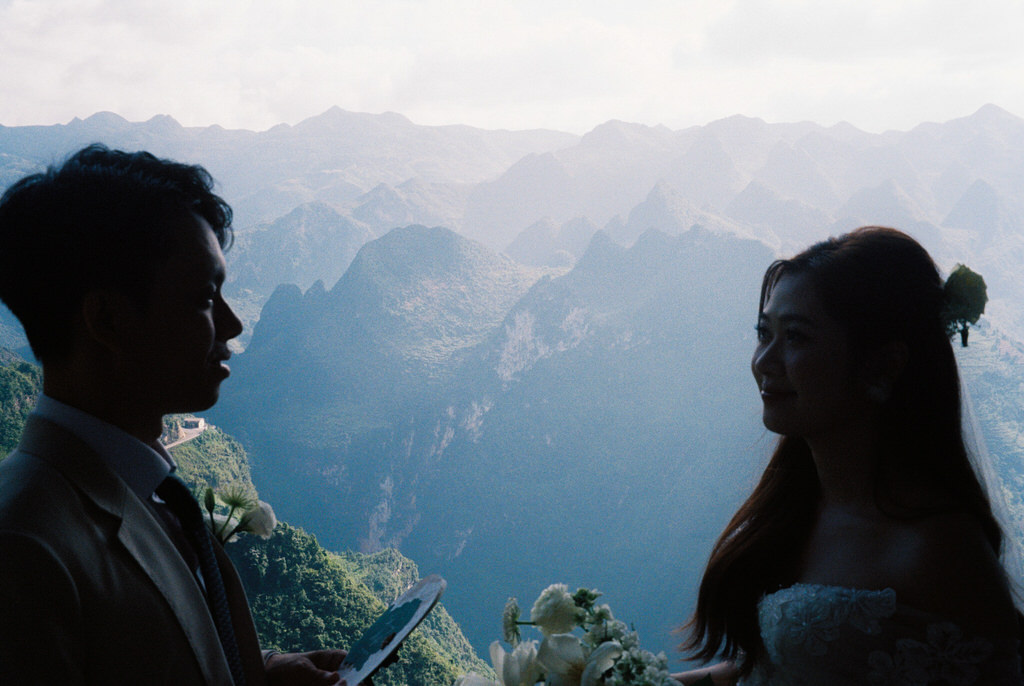
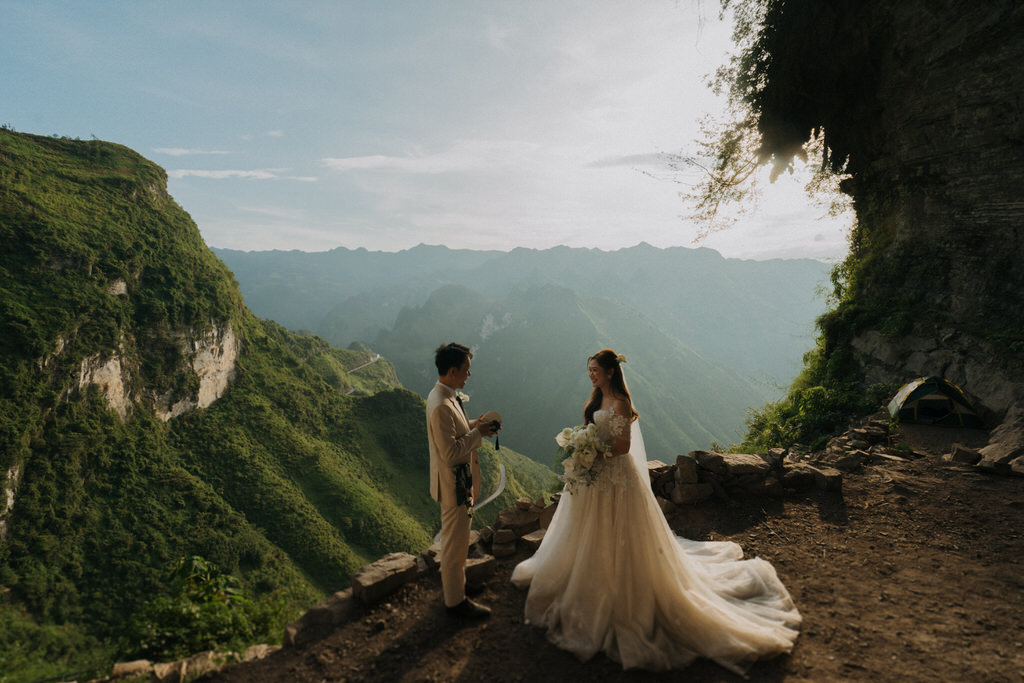
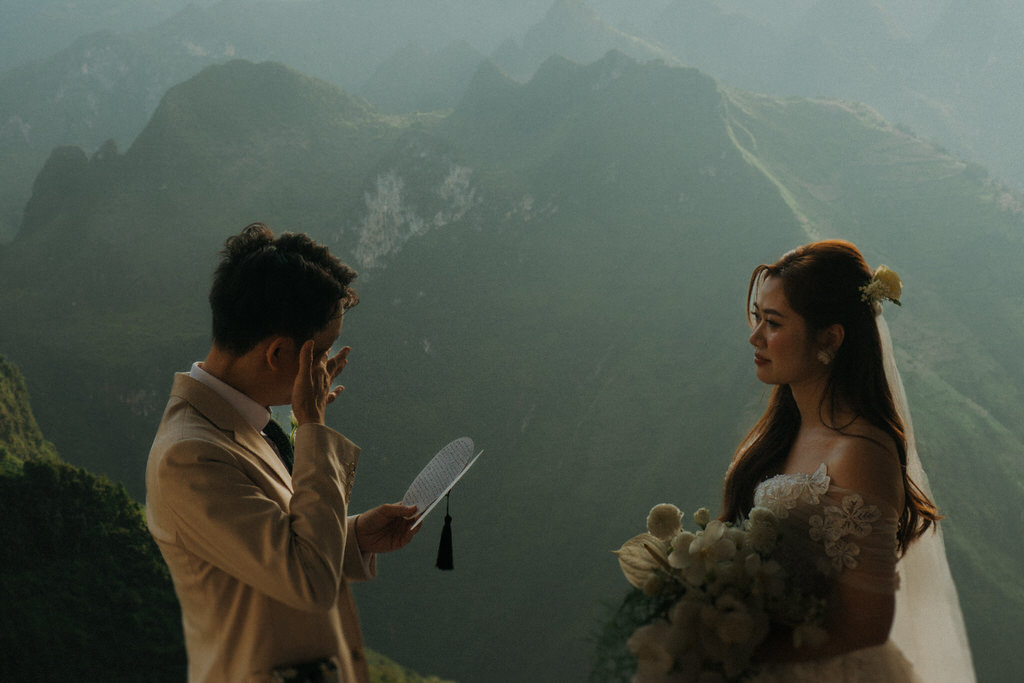
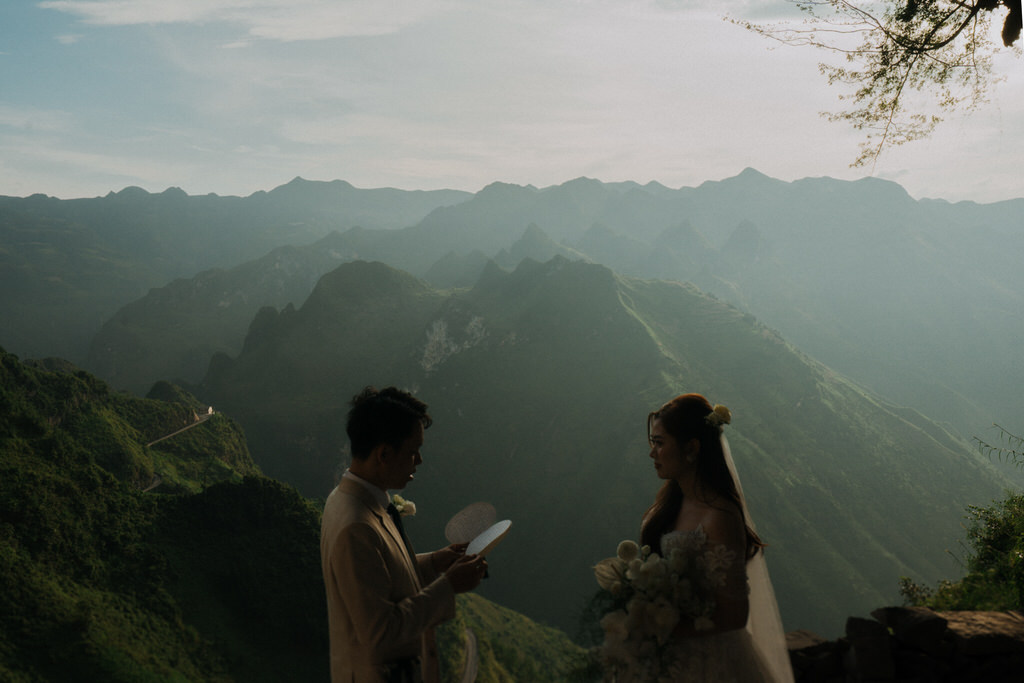
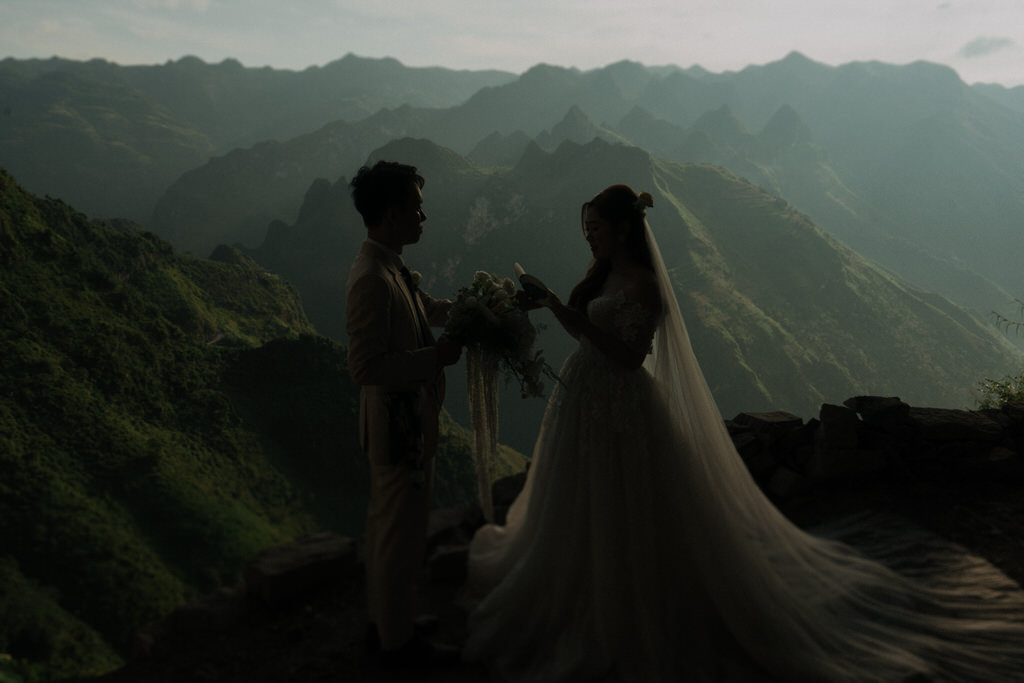
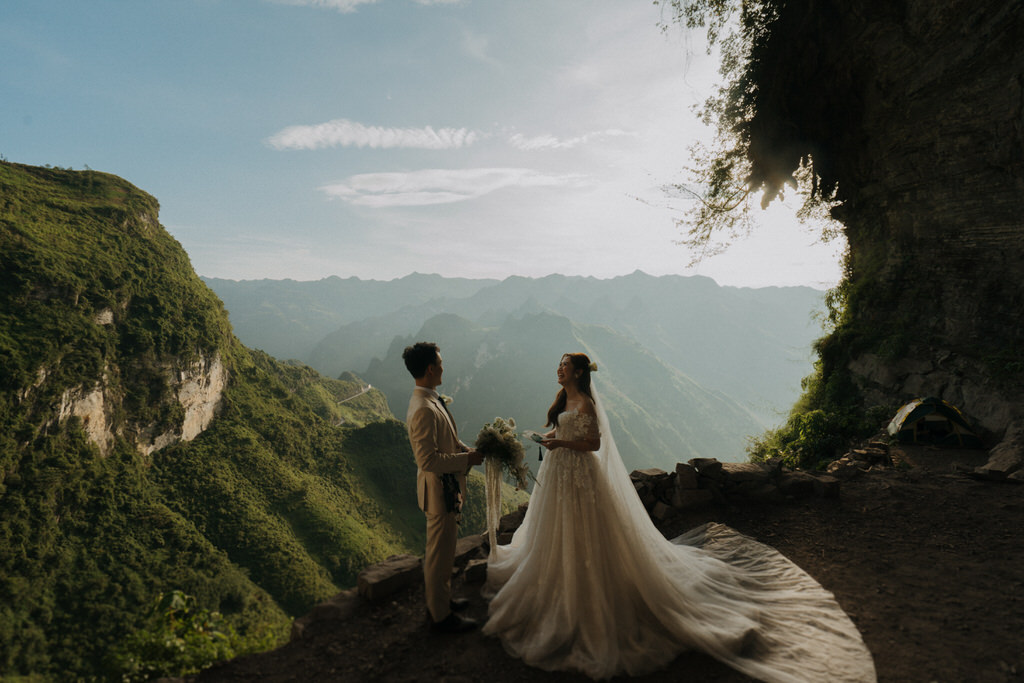
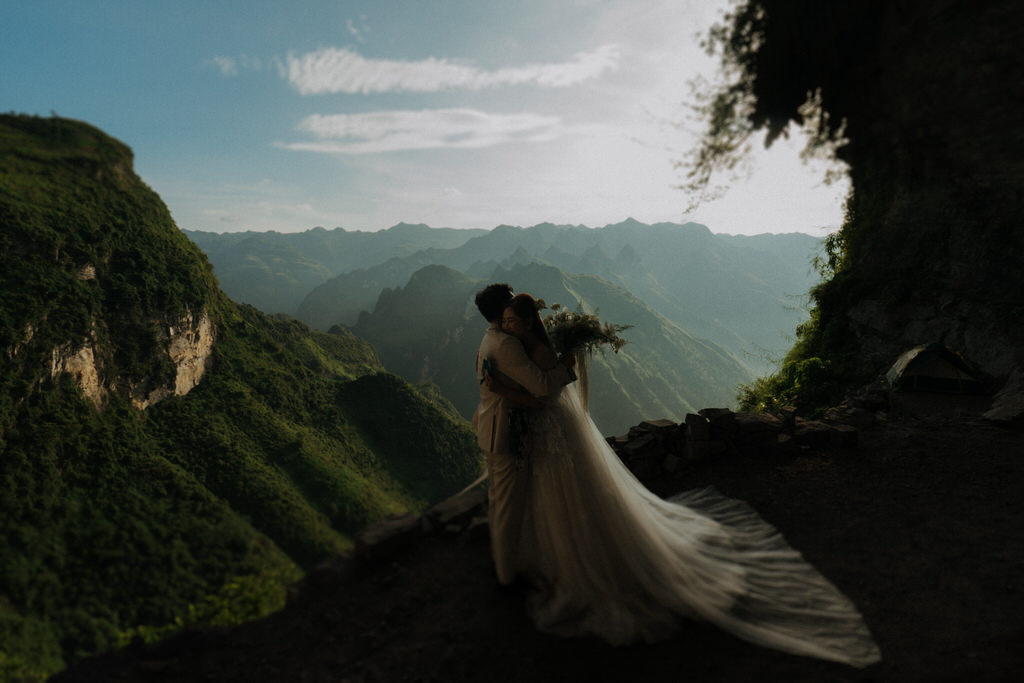
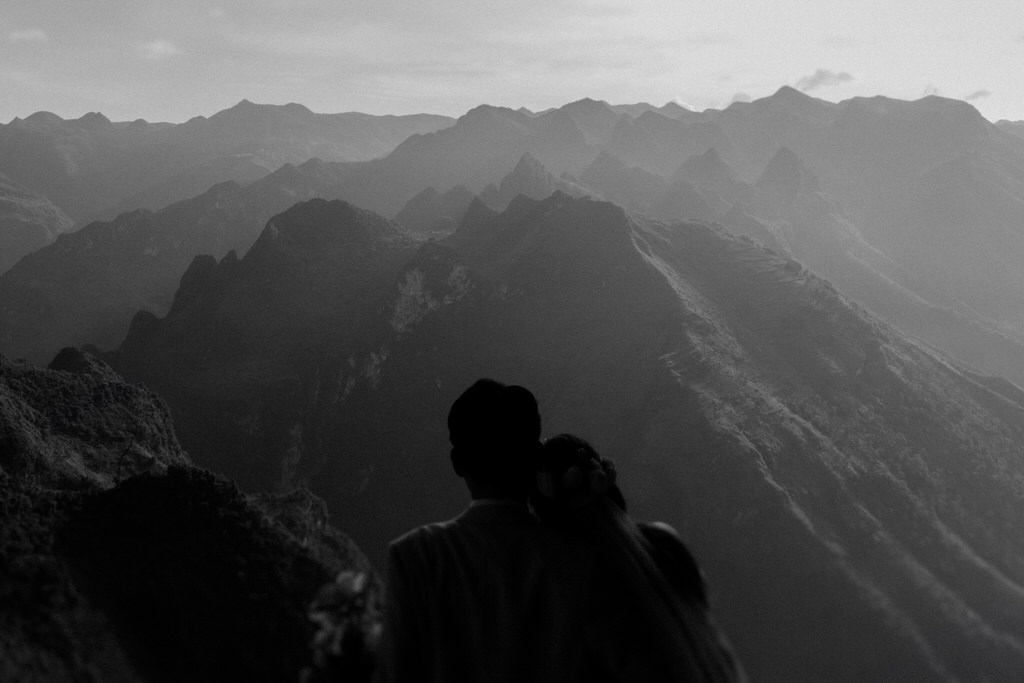
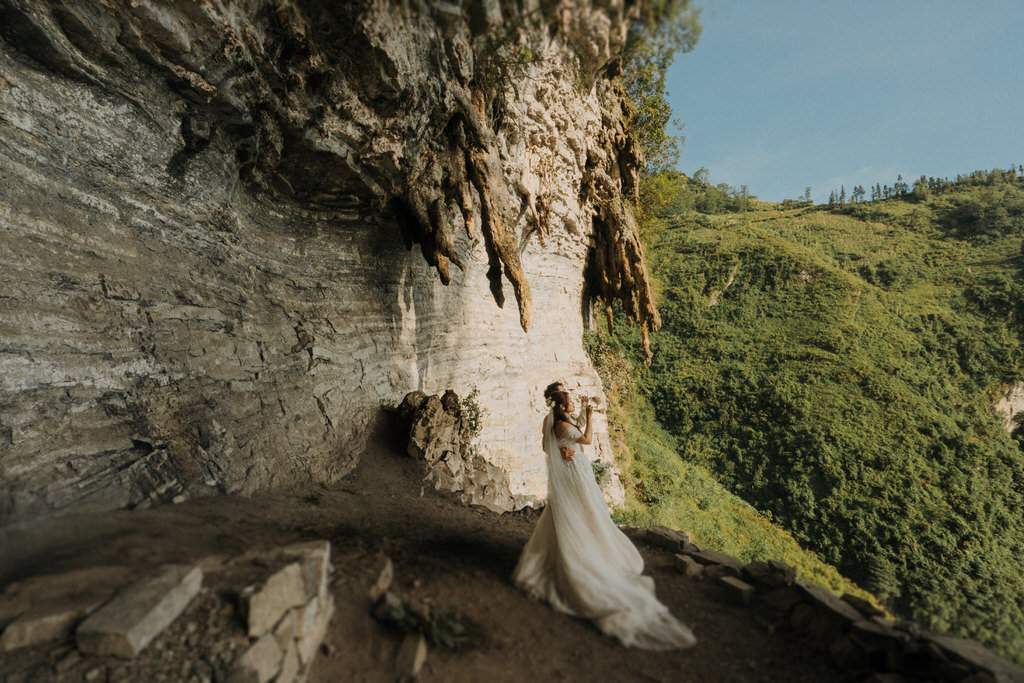
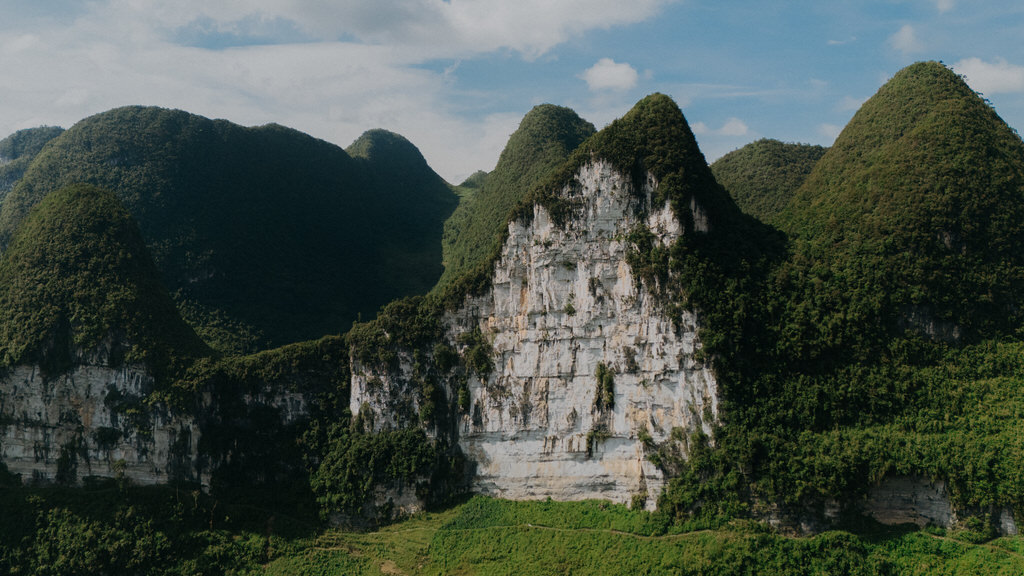
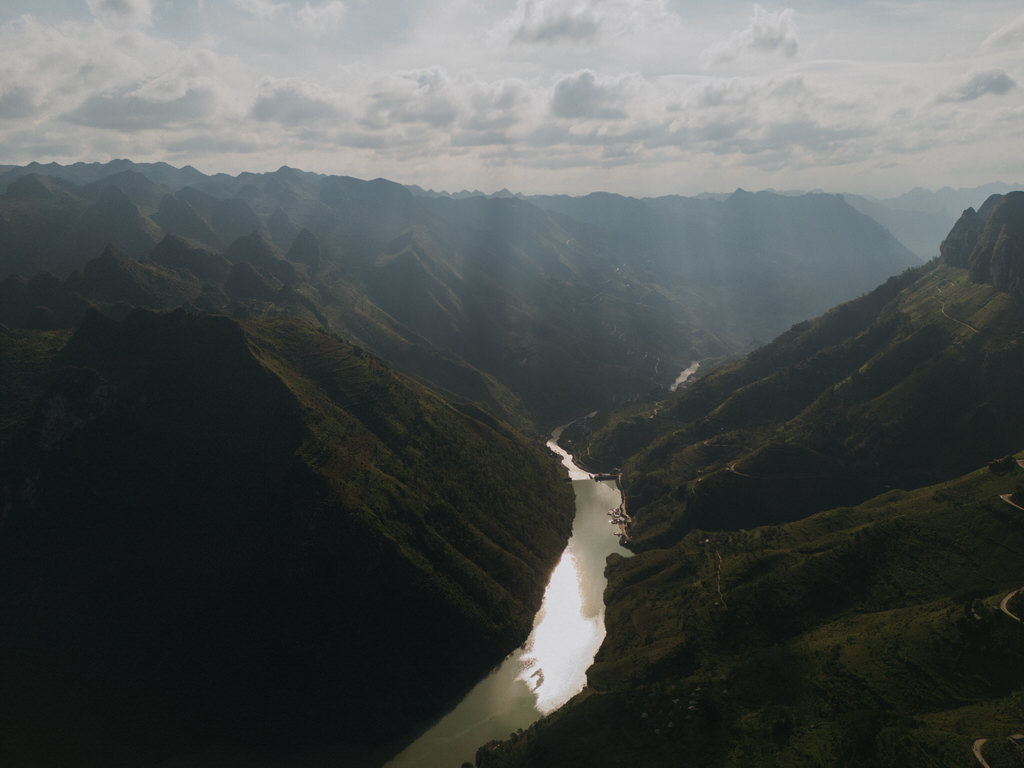
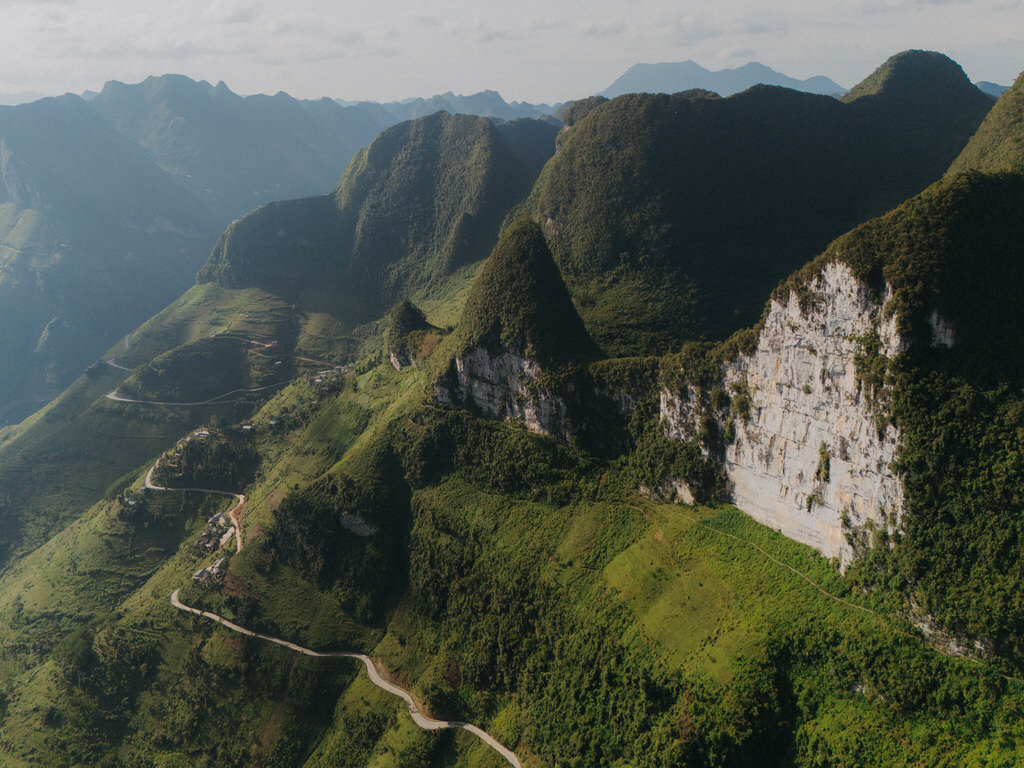
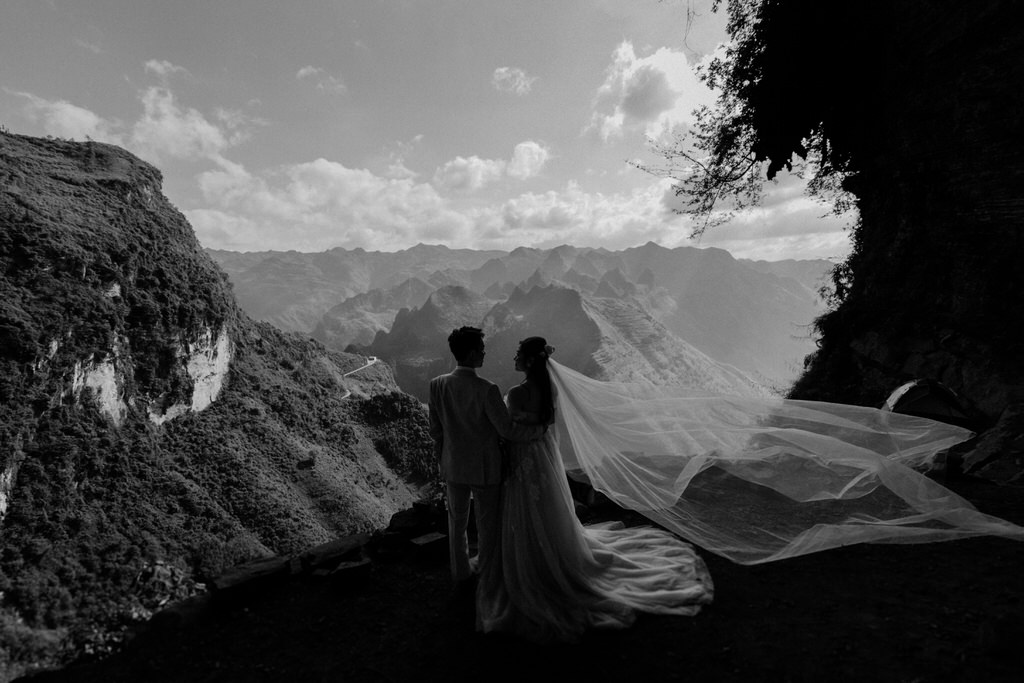
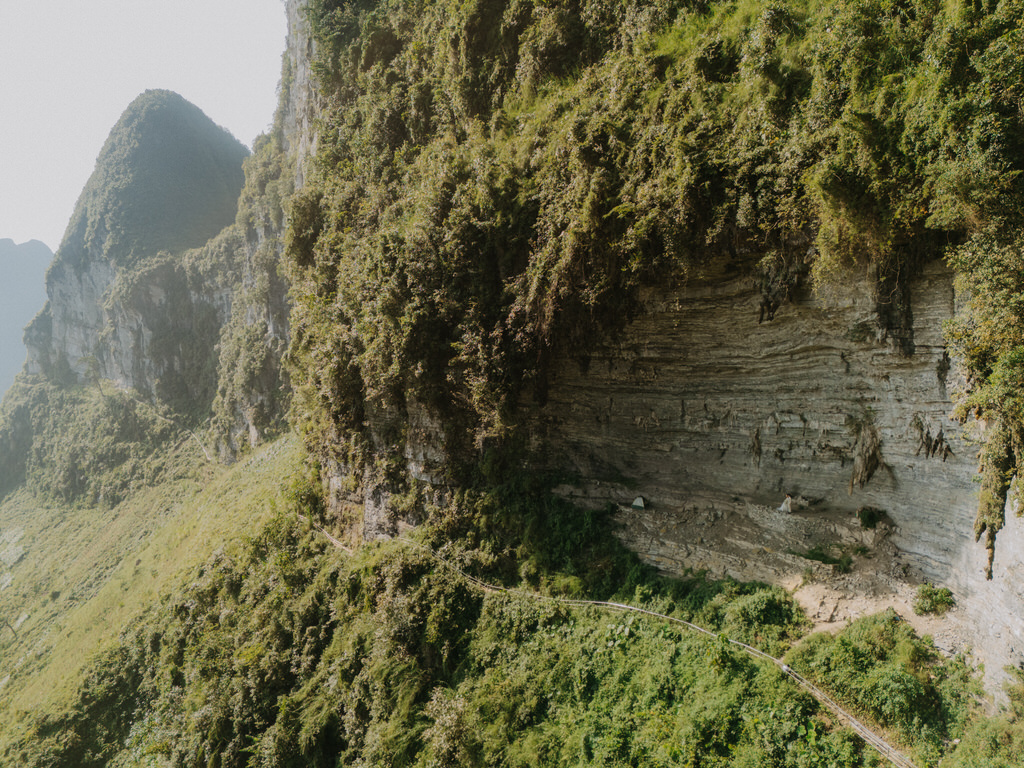
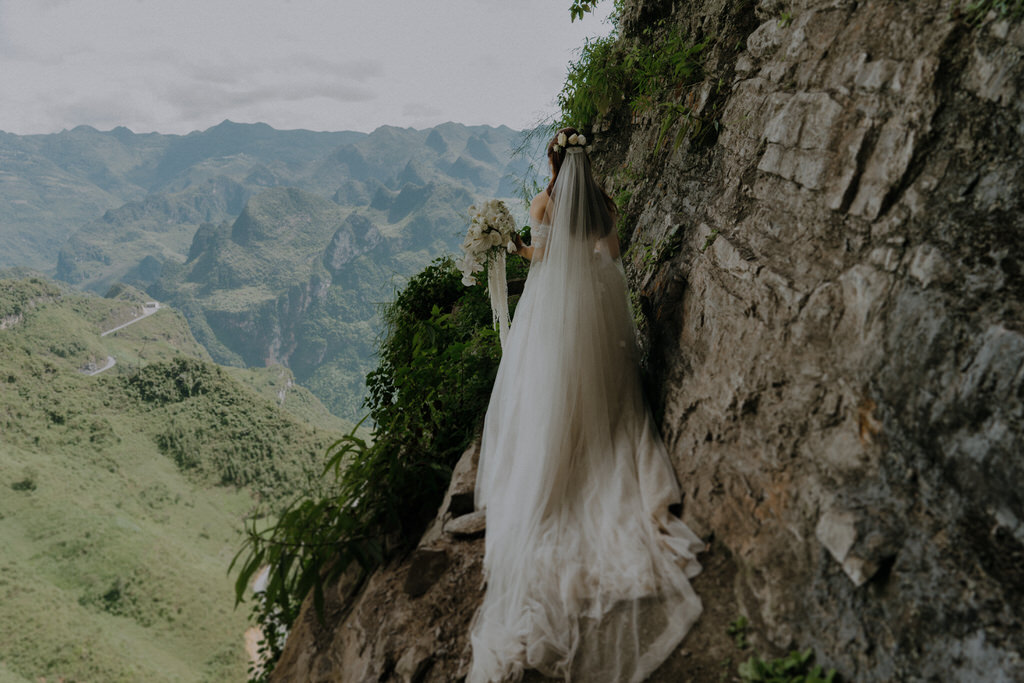
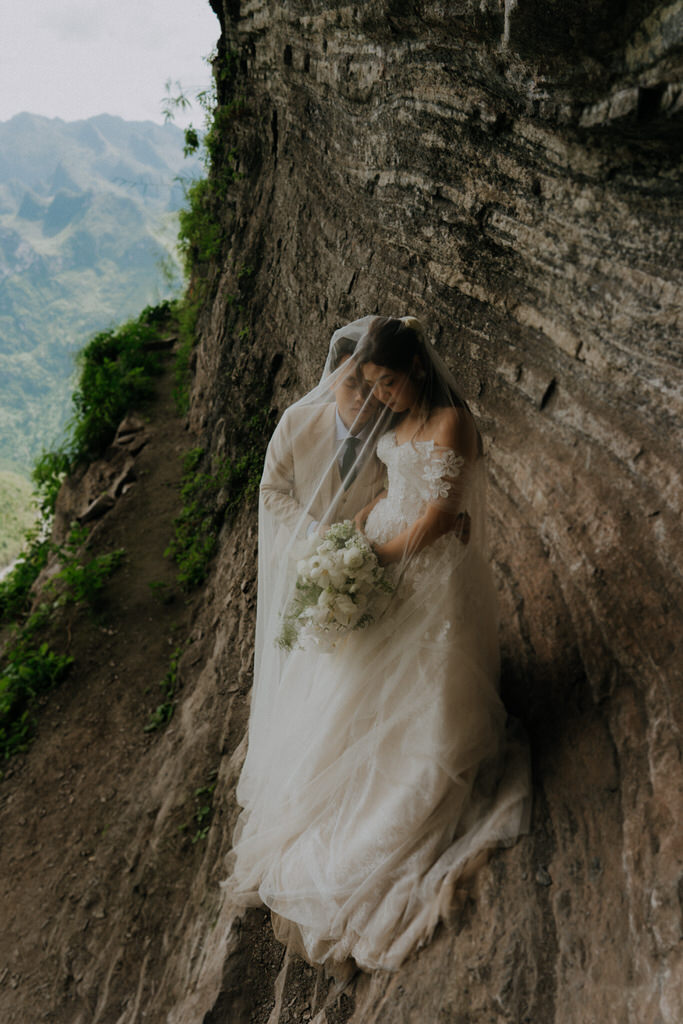
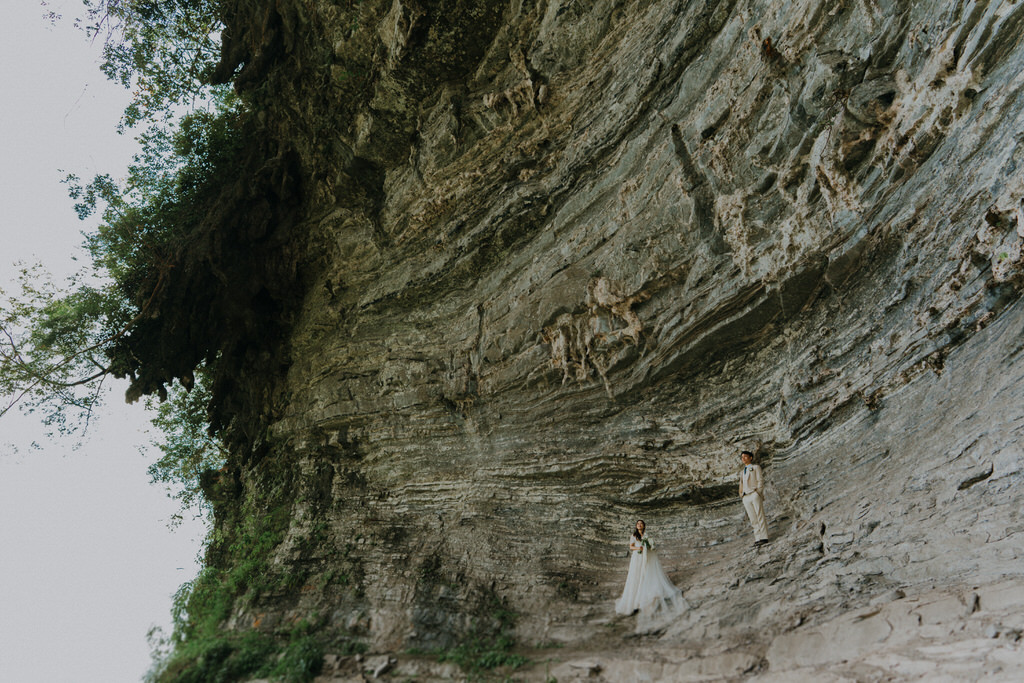
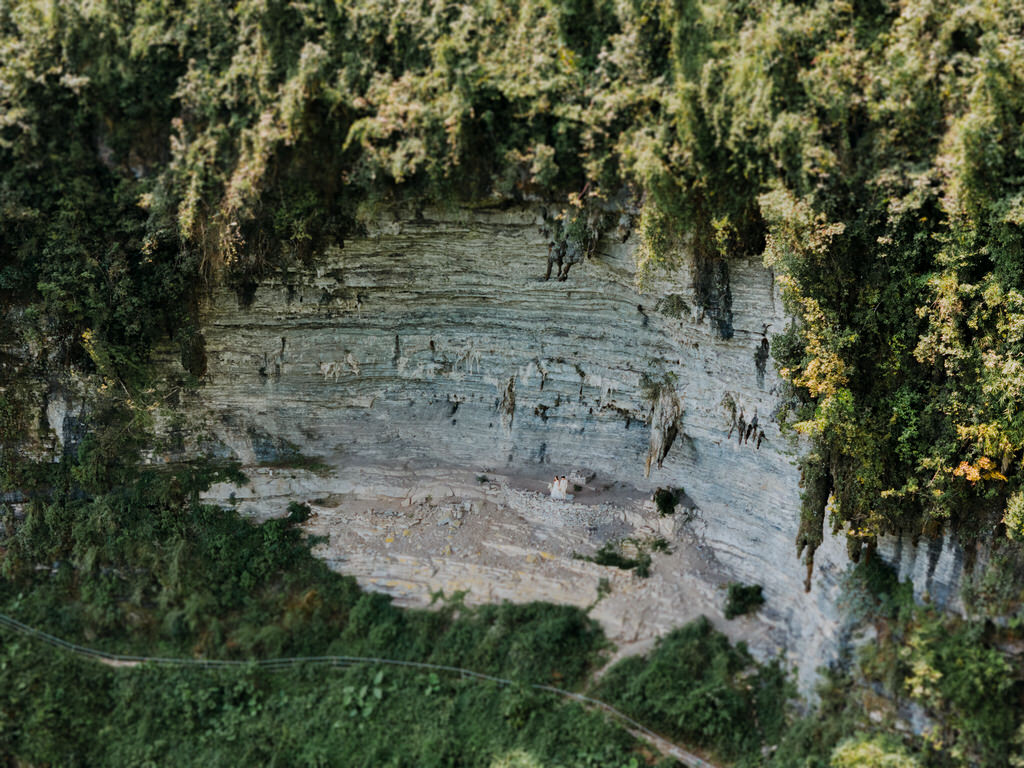
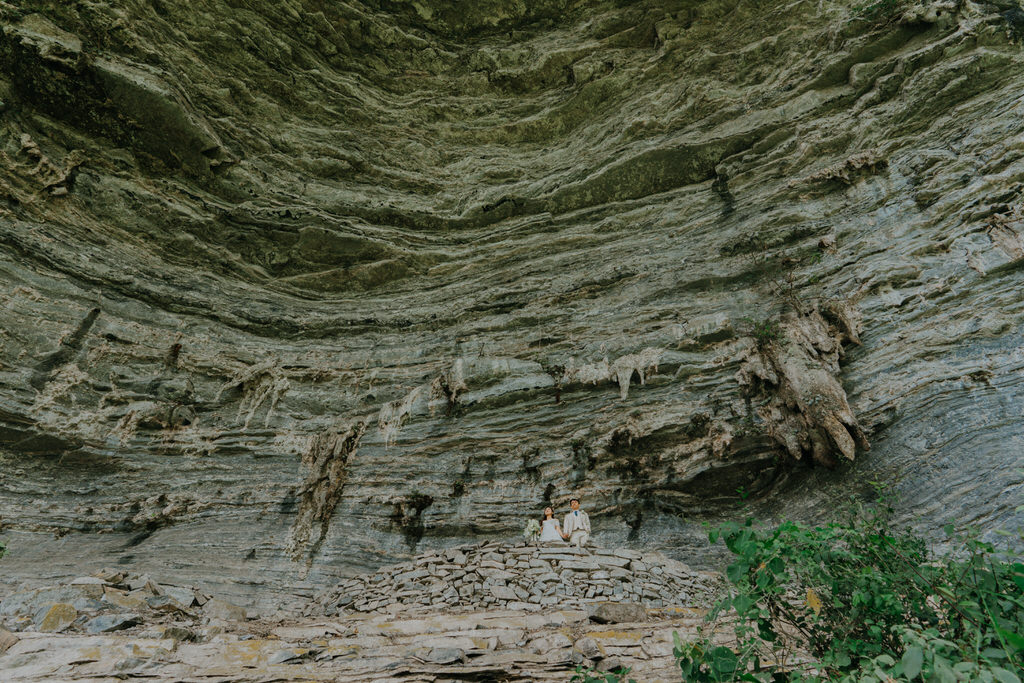
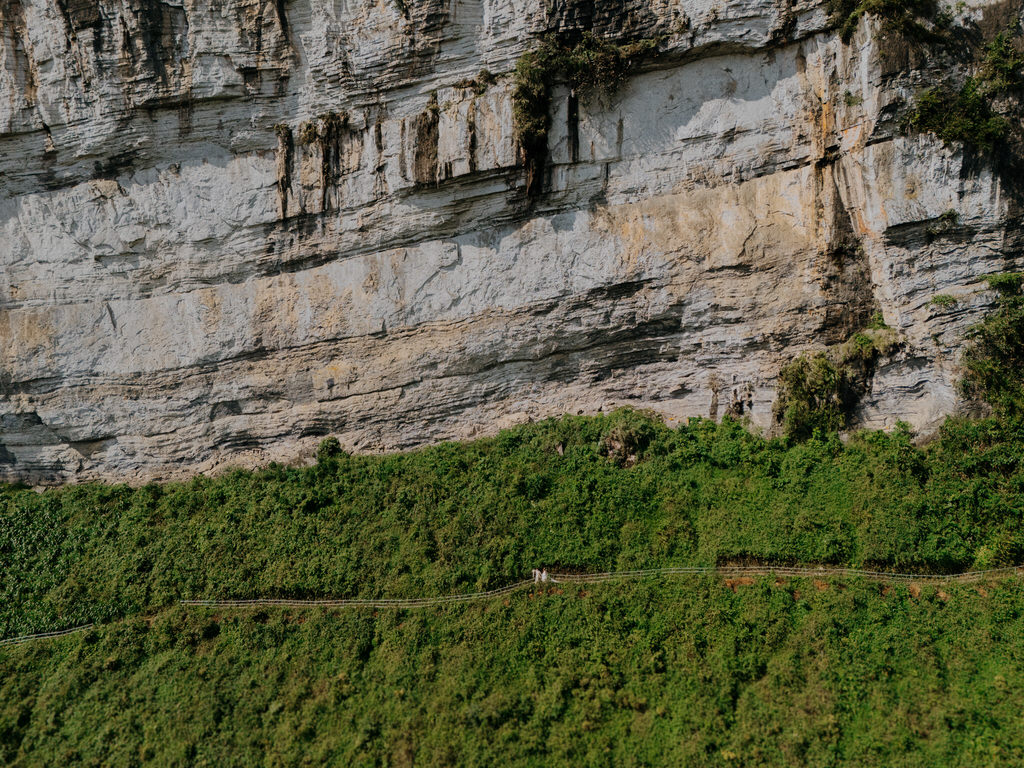
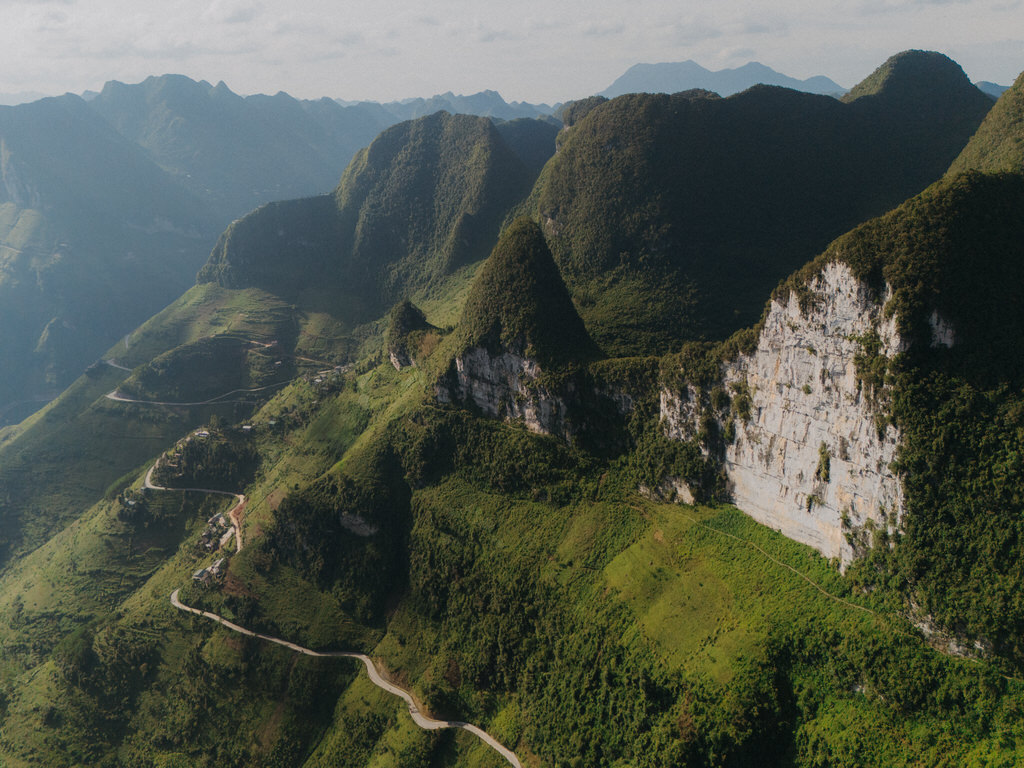
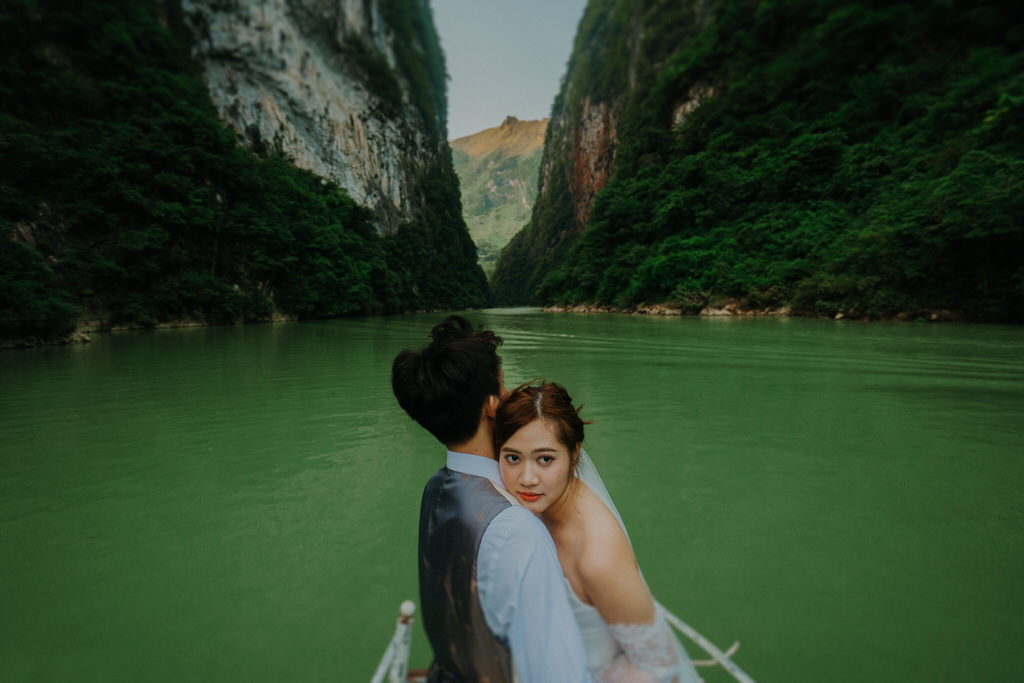
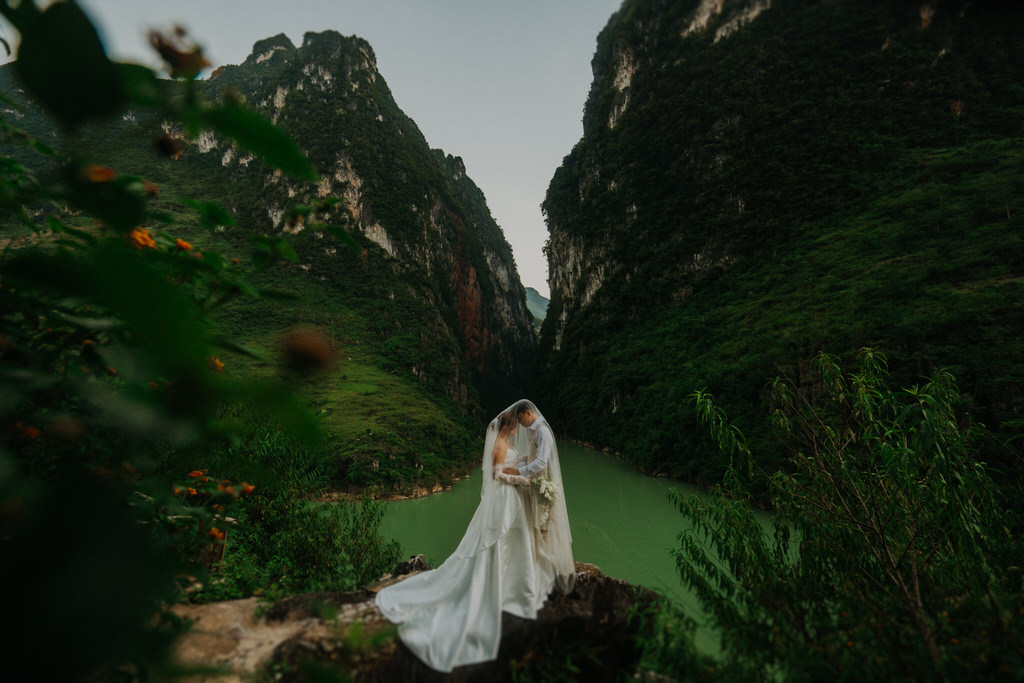
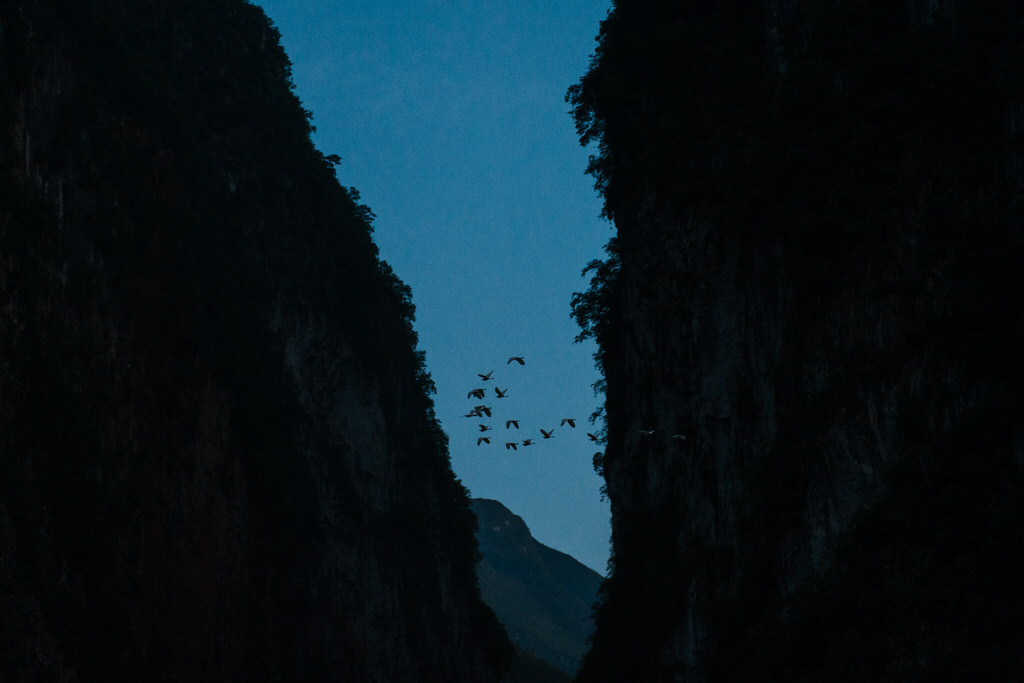
Set along the Mã Pí Lèng Pass in the Đồng Văn Karst Plateau, the White Cliff rises with steep limestone faces in shades of pale grey and white. From above, the view opens onto layer upon layer of mountains, winding roads carved into the slopes, and the jade-green Nho Quế River far below in the Tu Sản Gorge.
This is more than a viewpoint. The White Cliff also evokes the story of the Hạnh Phúc Road, built through years of arduous labour by local ethnic communities and youth volunteers. The challenging terrain makes the landscape feel untamed, while reminding us of the resilience of the people who call these mountains home.
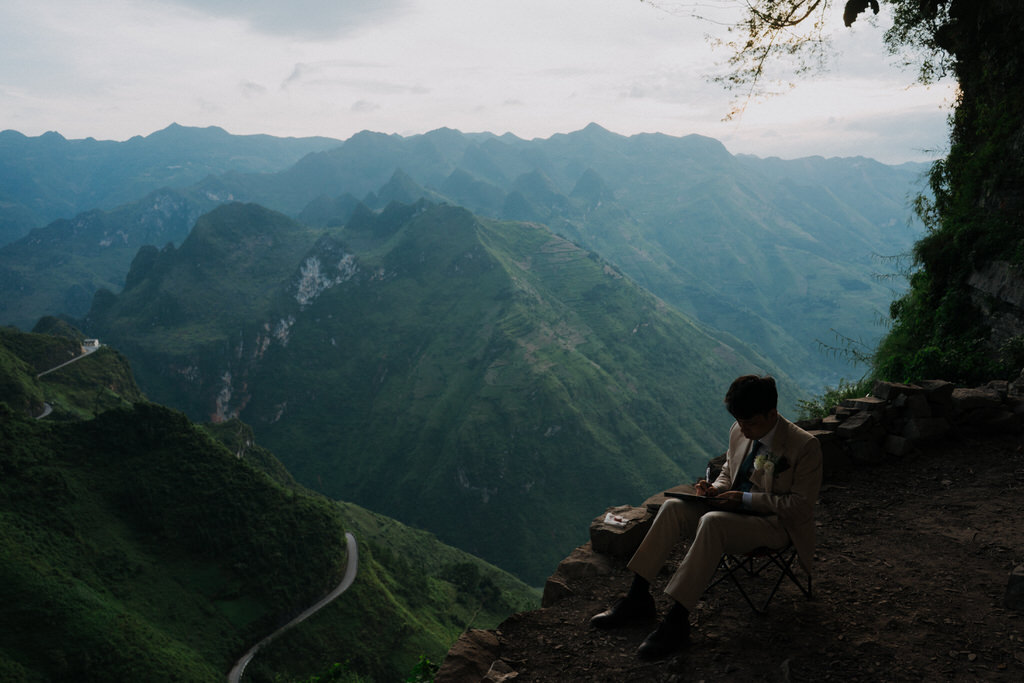
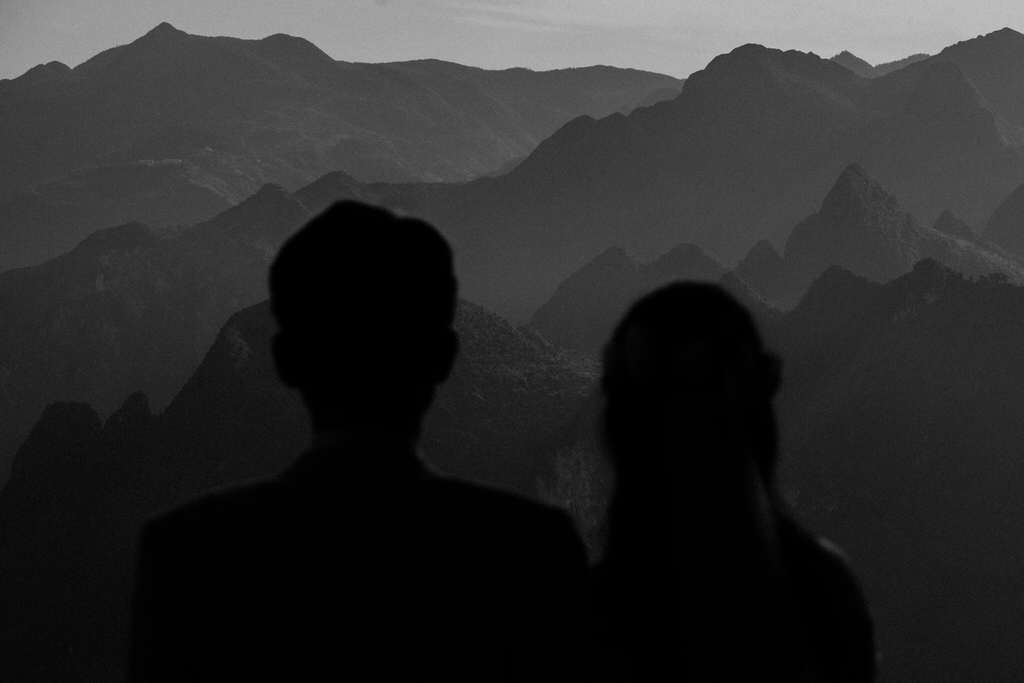
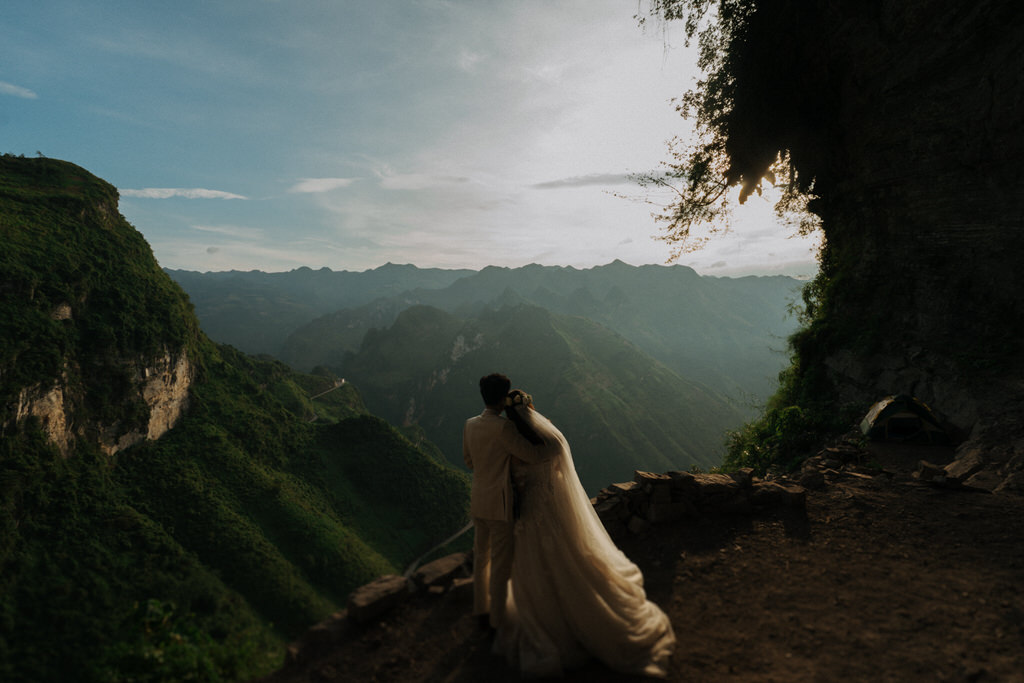
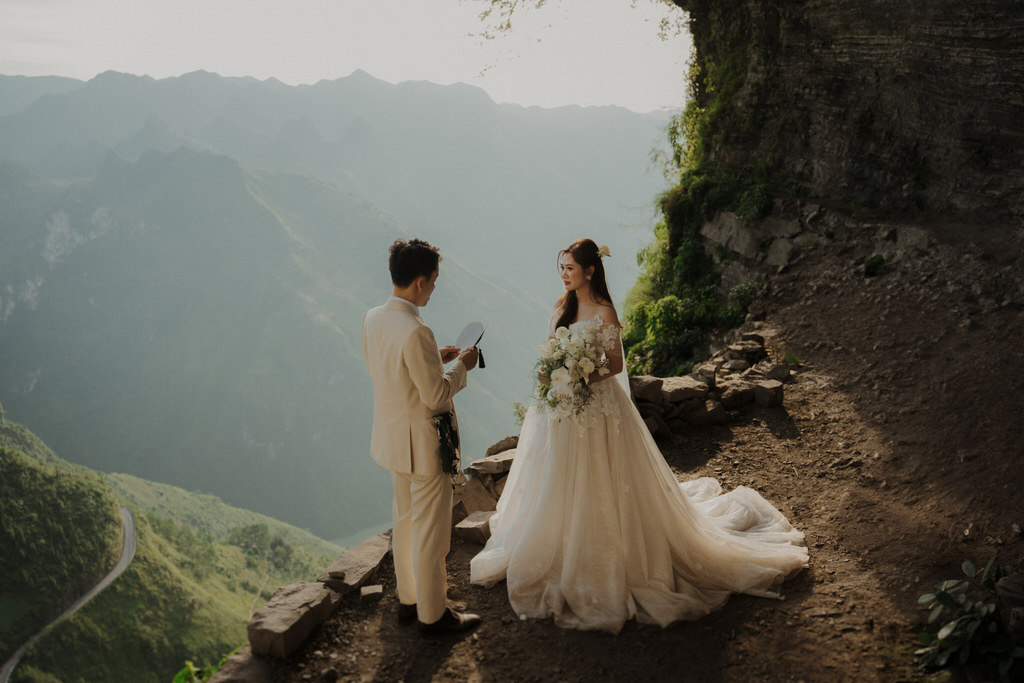
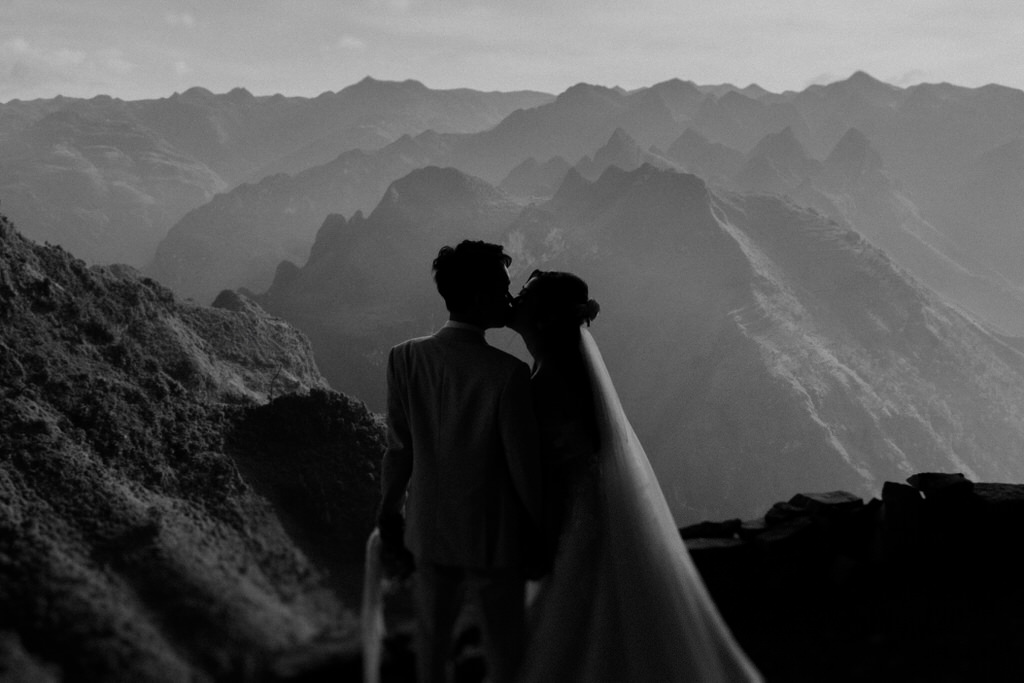
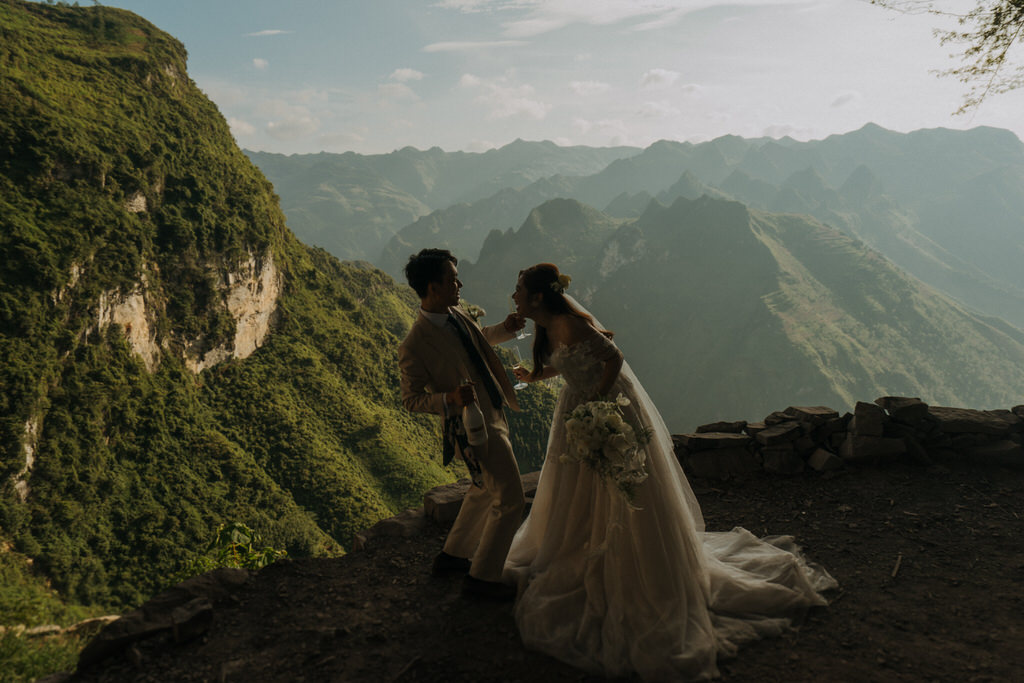
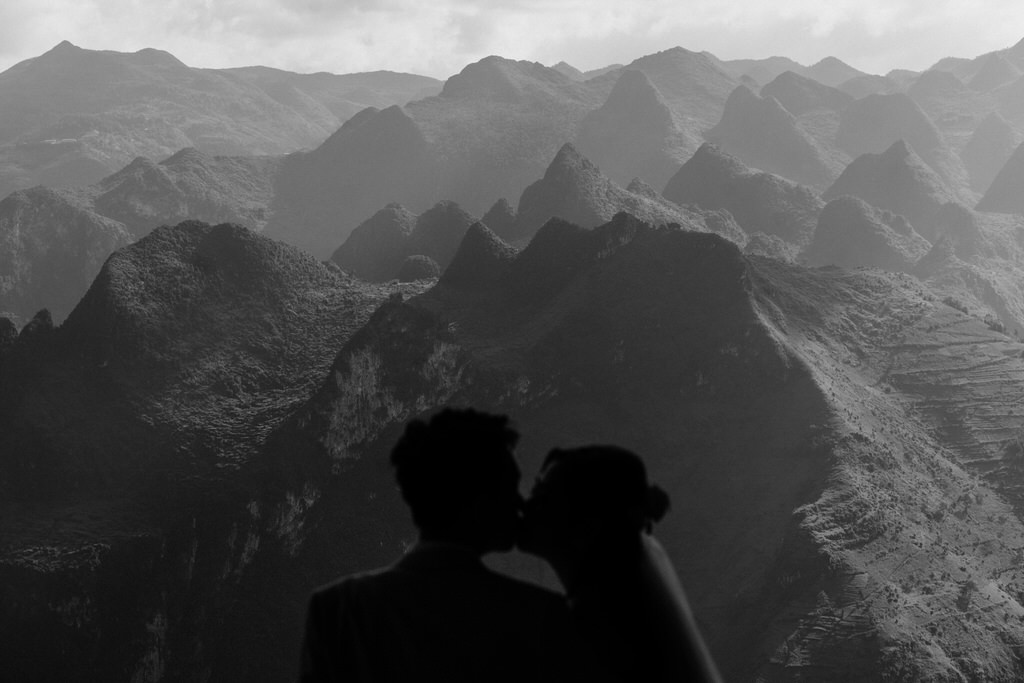
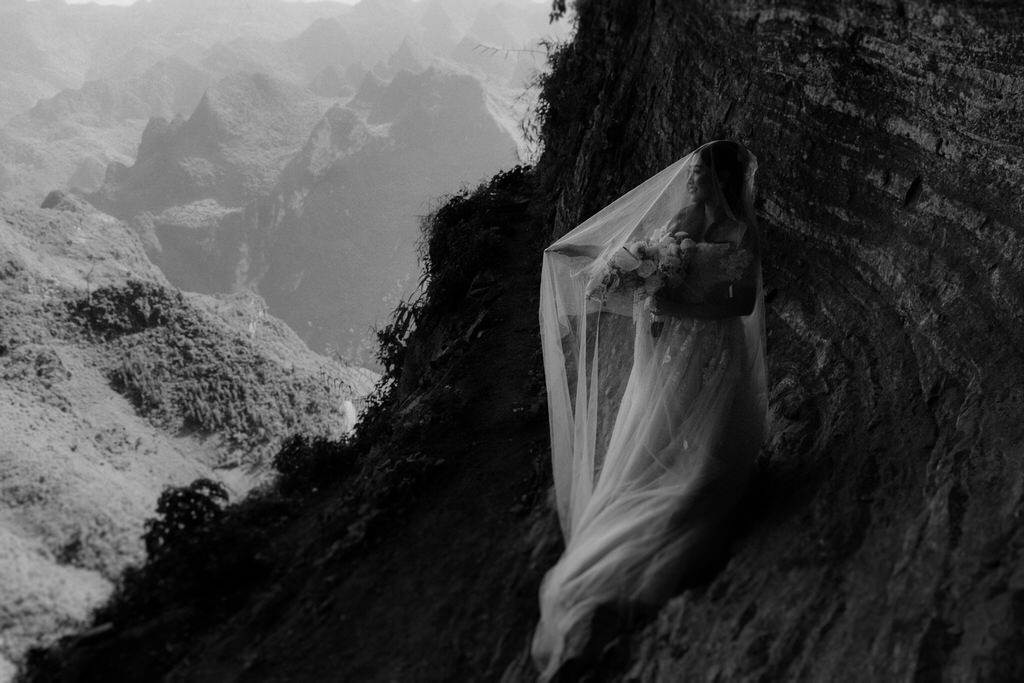
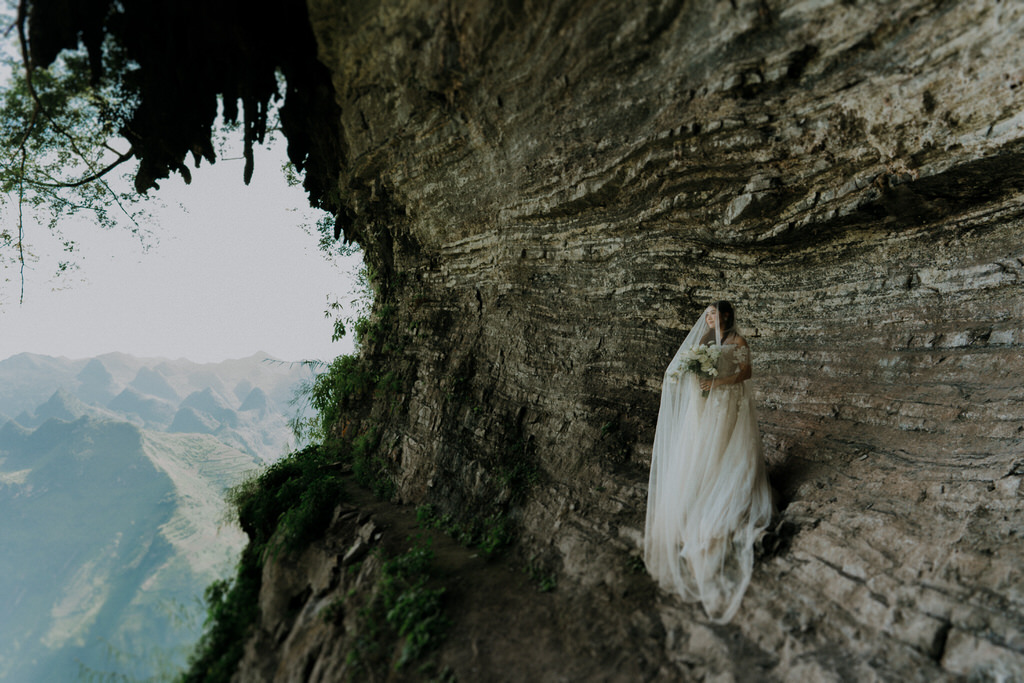
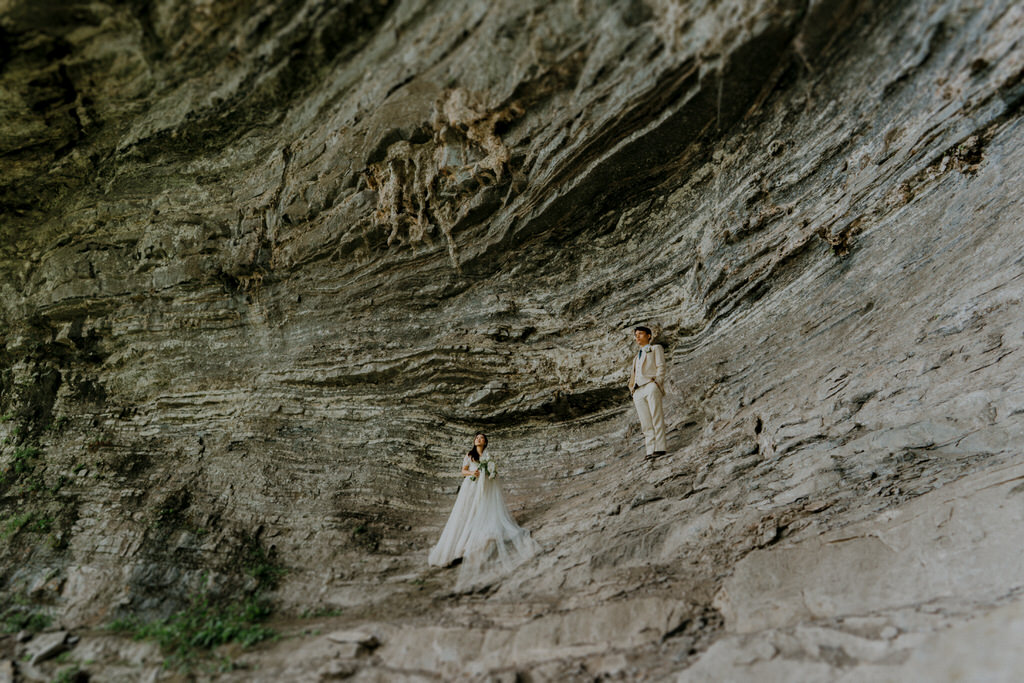
Perhaps the strongest feeling here is how small we become before nature: sheer rock on one side, a seemingly bottomless gorge on the other, and an immense mountain landscape stretching out ahead.
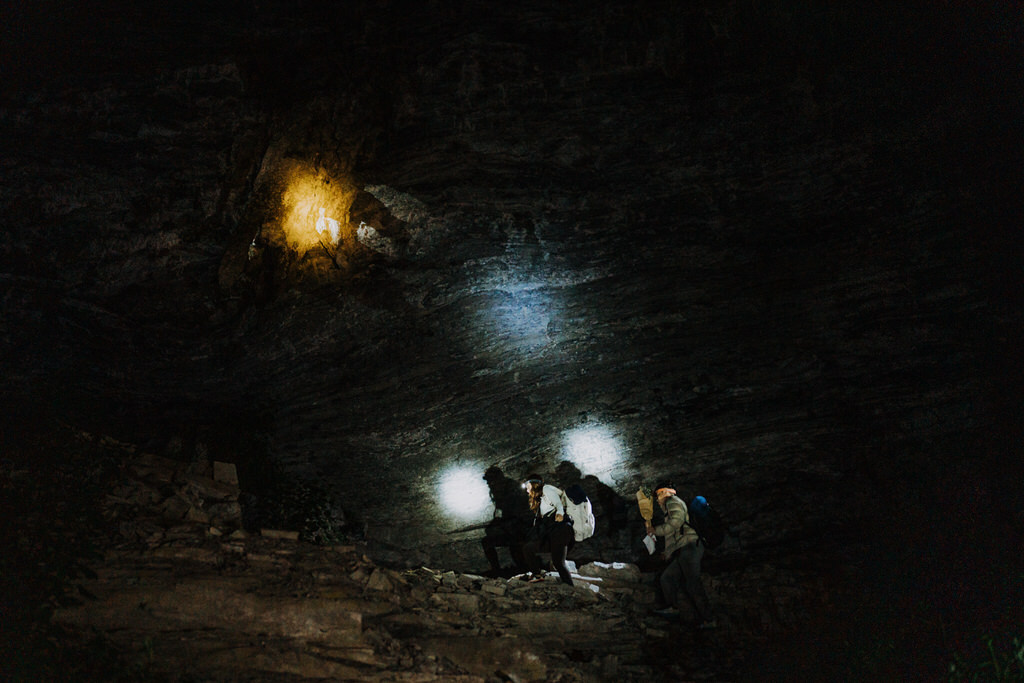
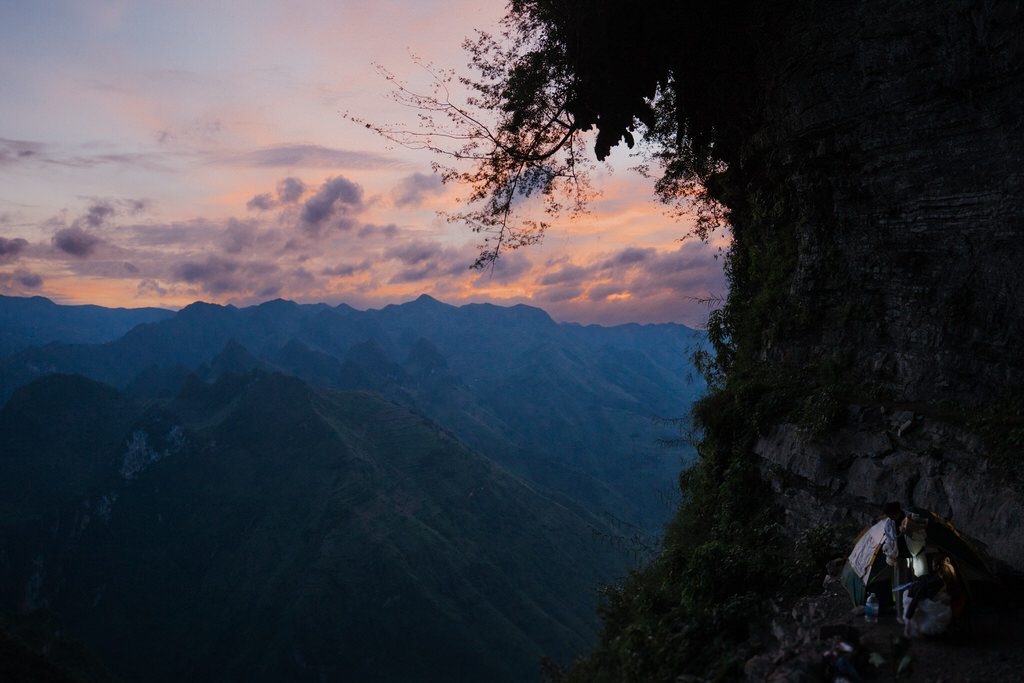
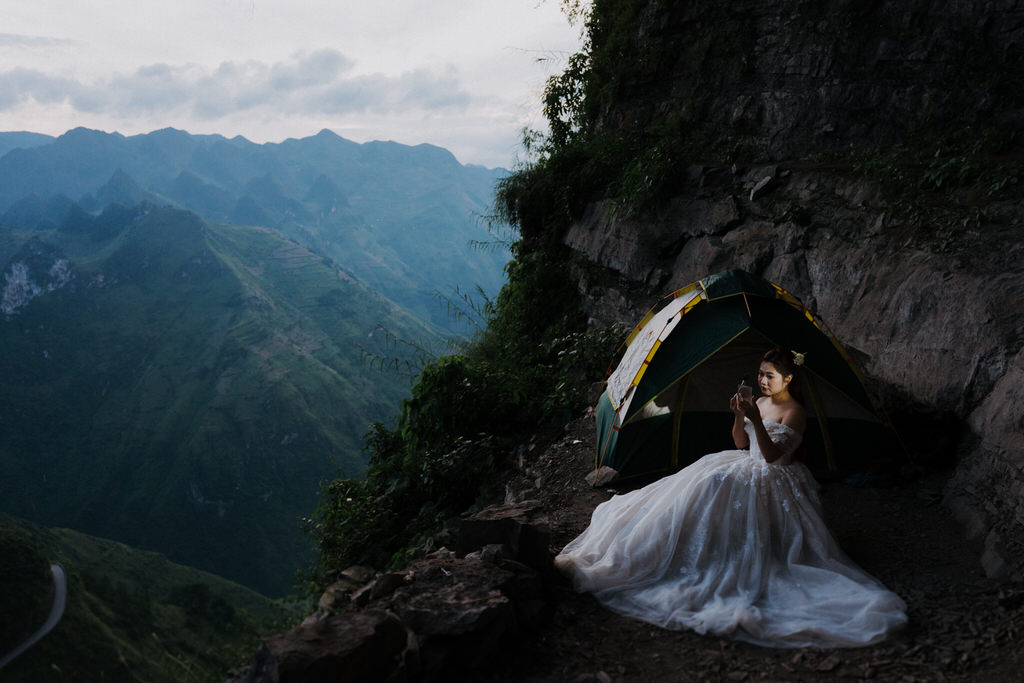
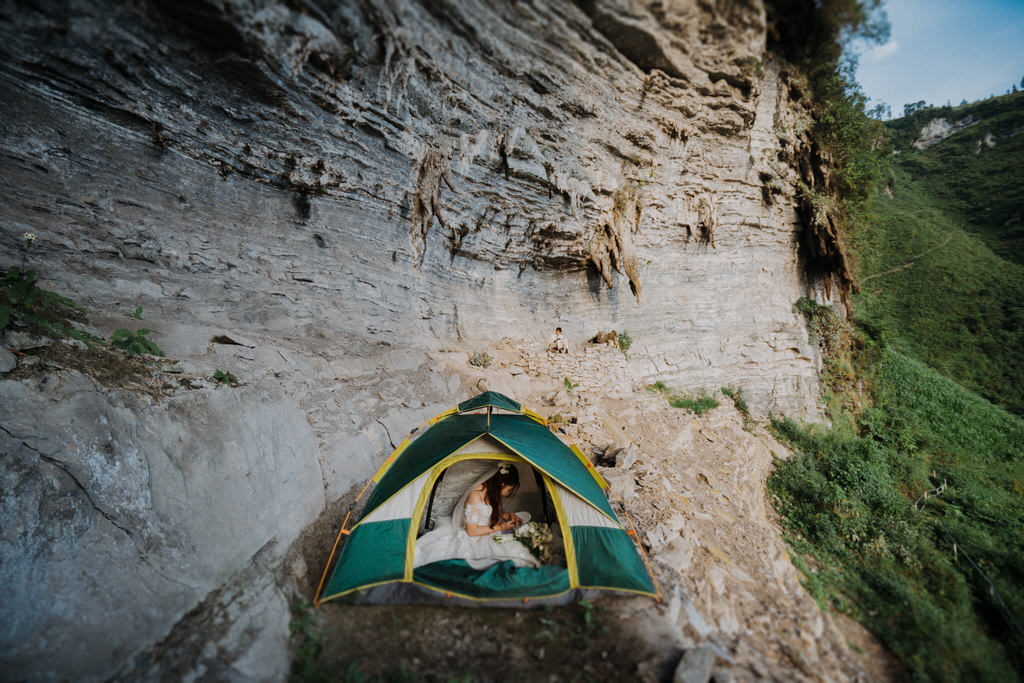
Our time here was about far more than wedding photographs. It was about the memories and unexpected experiences we shared along the way. We travelled deep into the karst highlands, passed through local villages, then hiked another six or seven kilometres along steep mountain trails to reach the cliff.
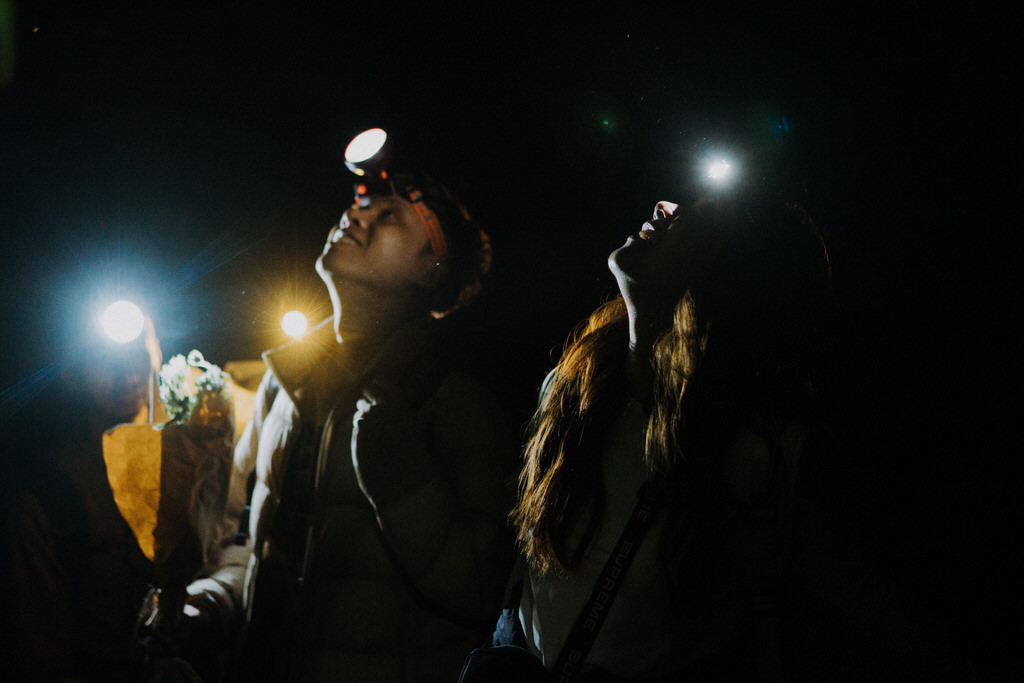
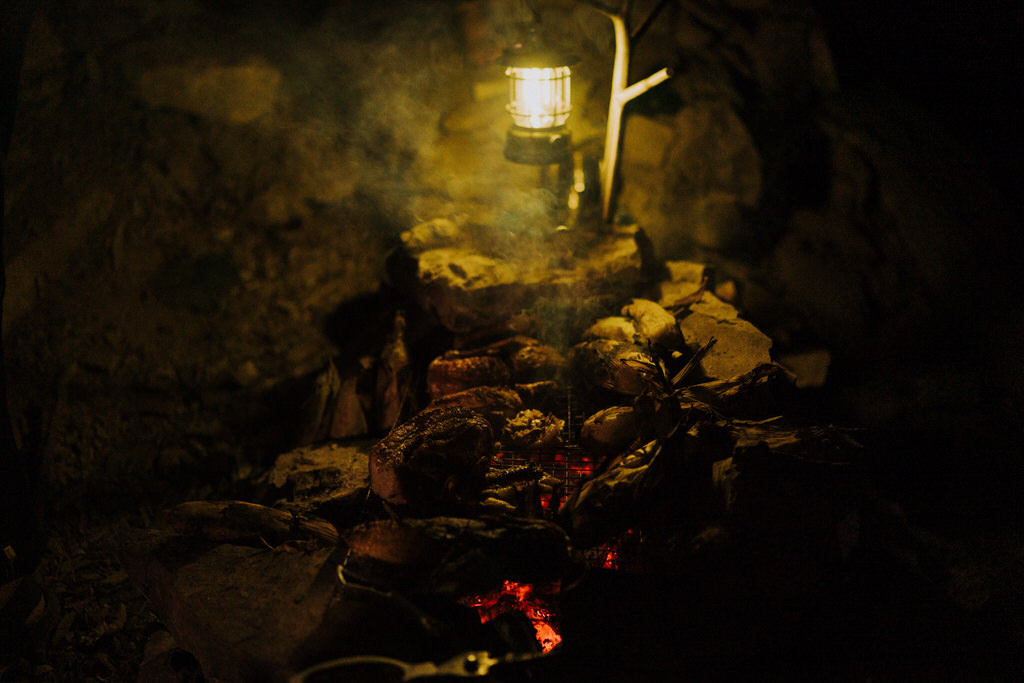
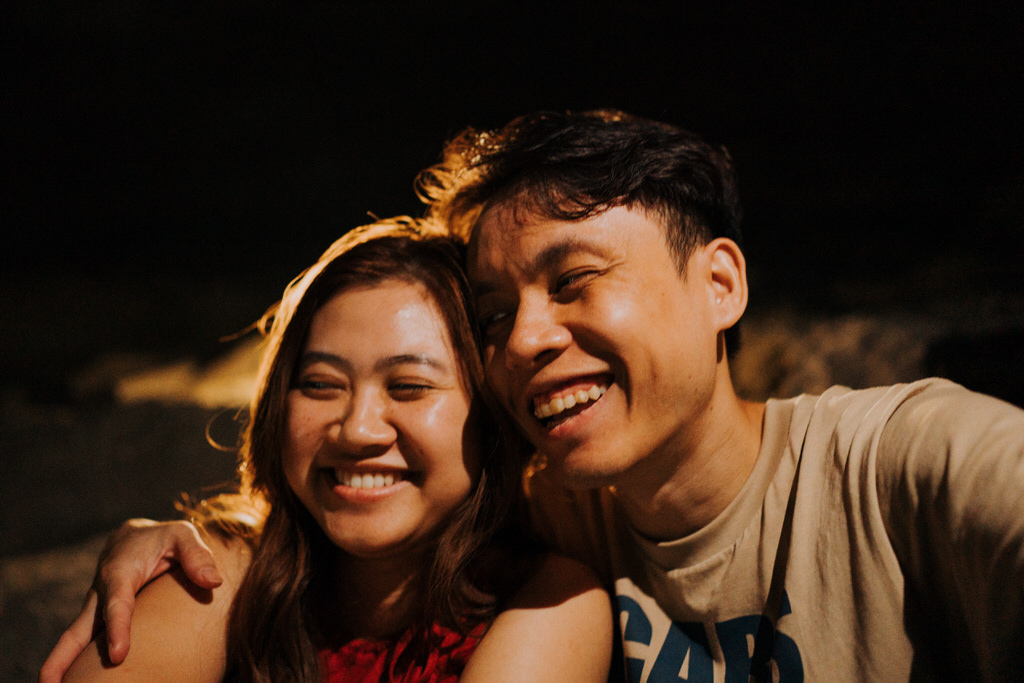
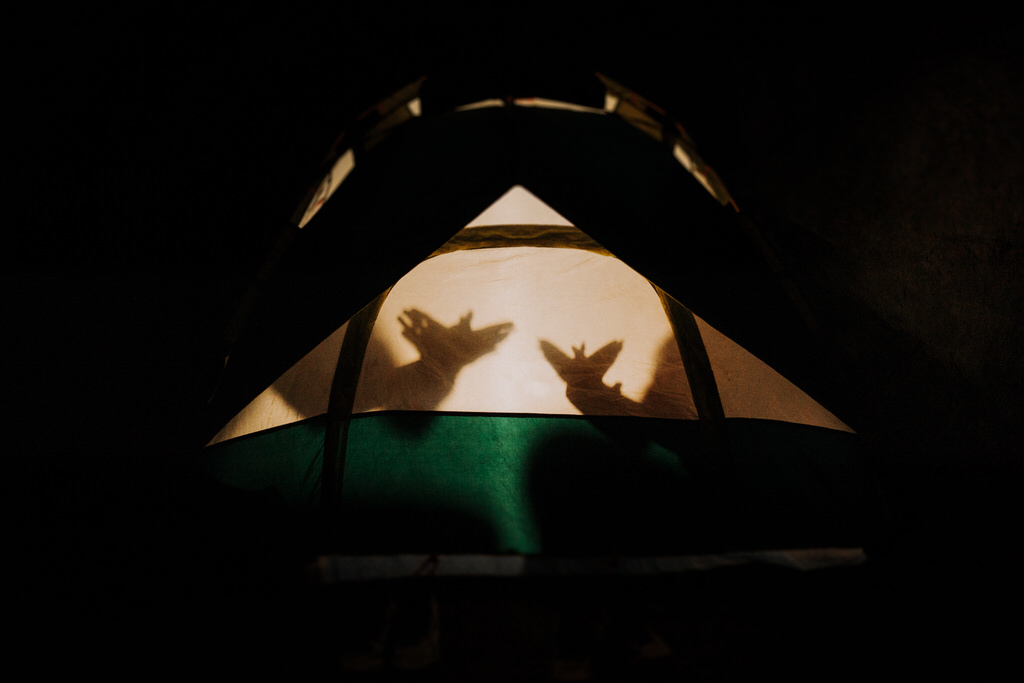
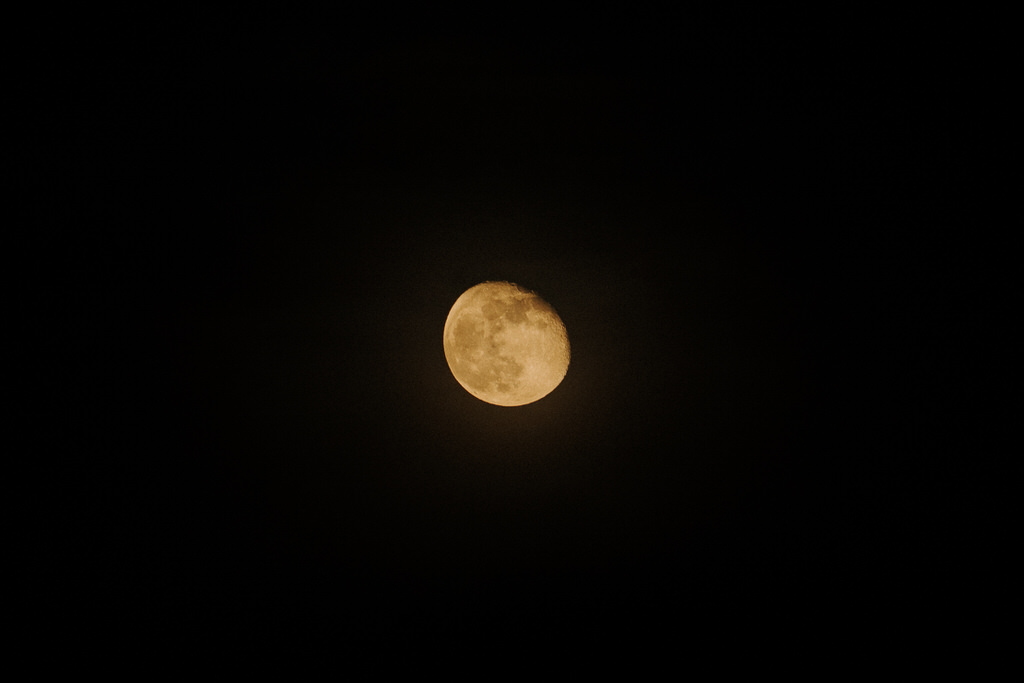
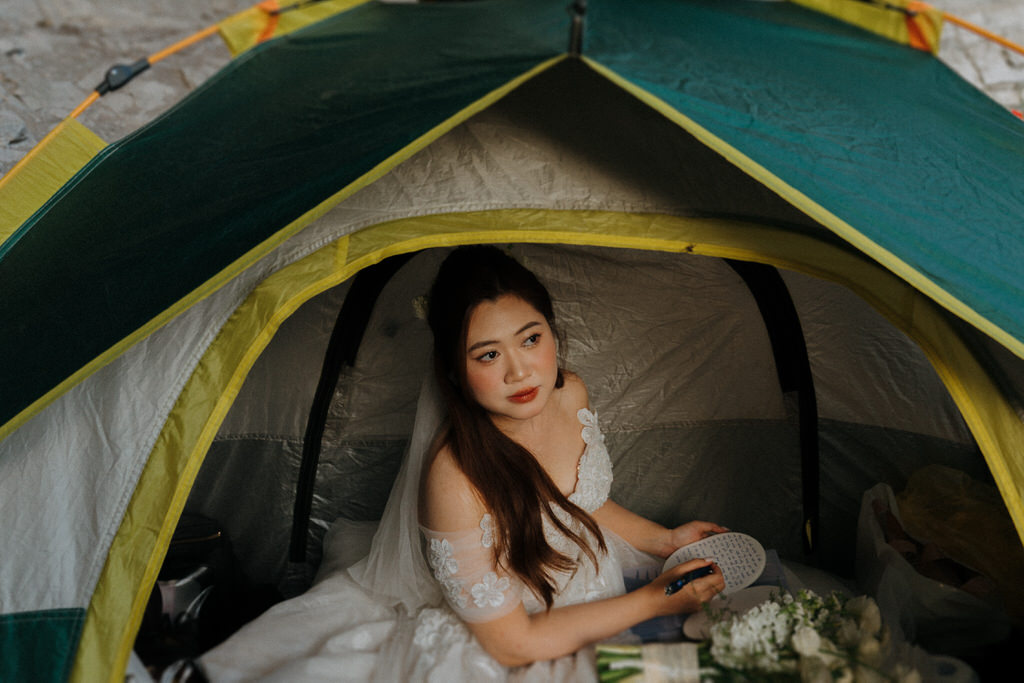
We ate, spent time together and camped overnight in the open air. The trade-off was a very ordinary, very real one: nobody got to shower during that stretch of the journey — haha. Somehow, these small inconveniences often become the memories we treasure most.
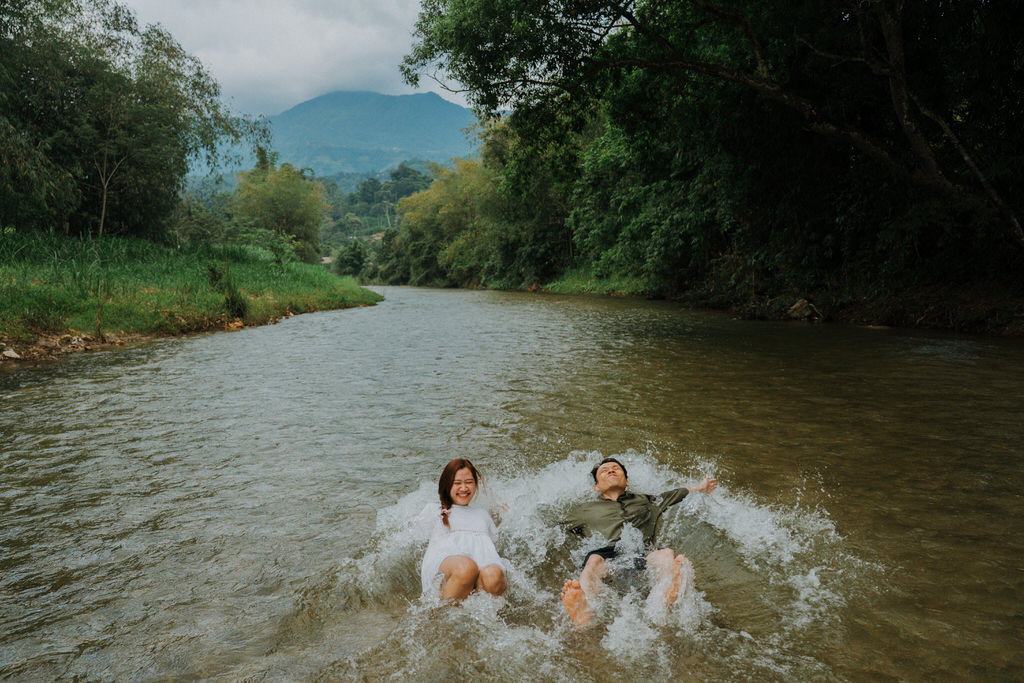
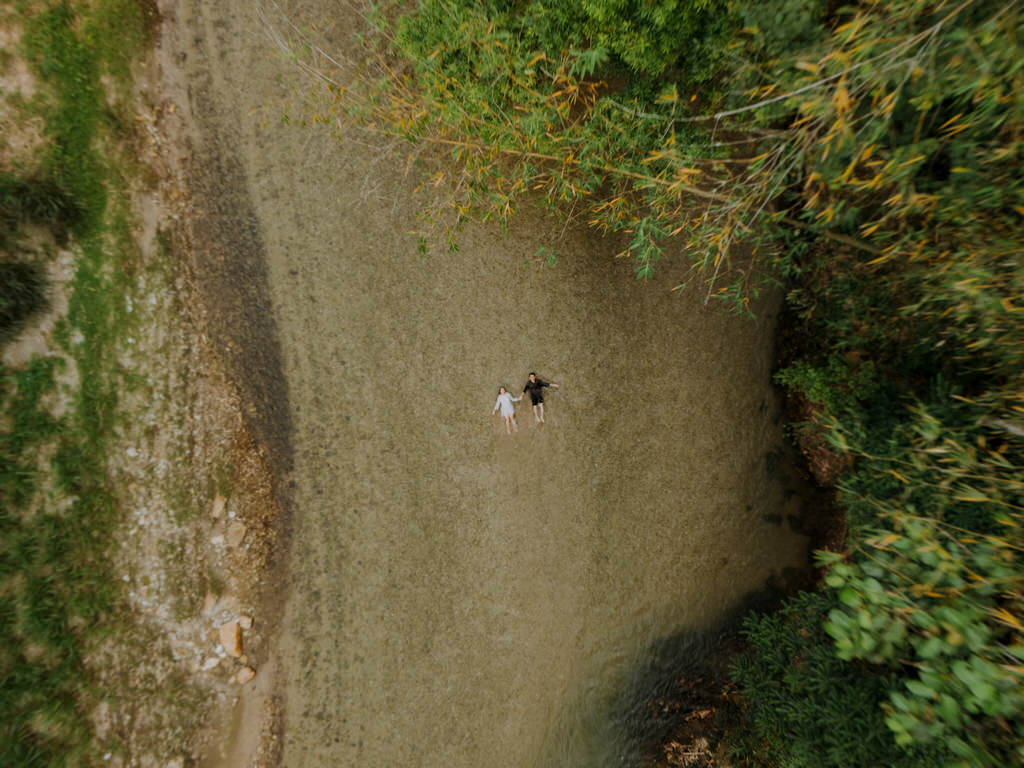
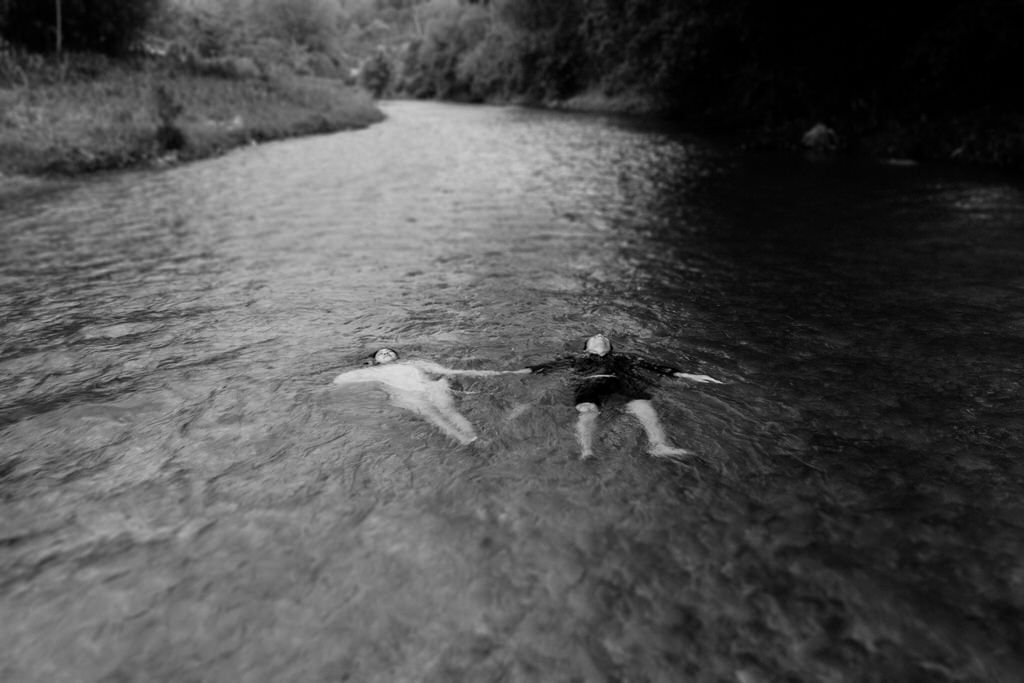
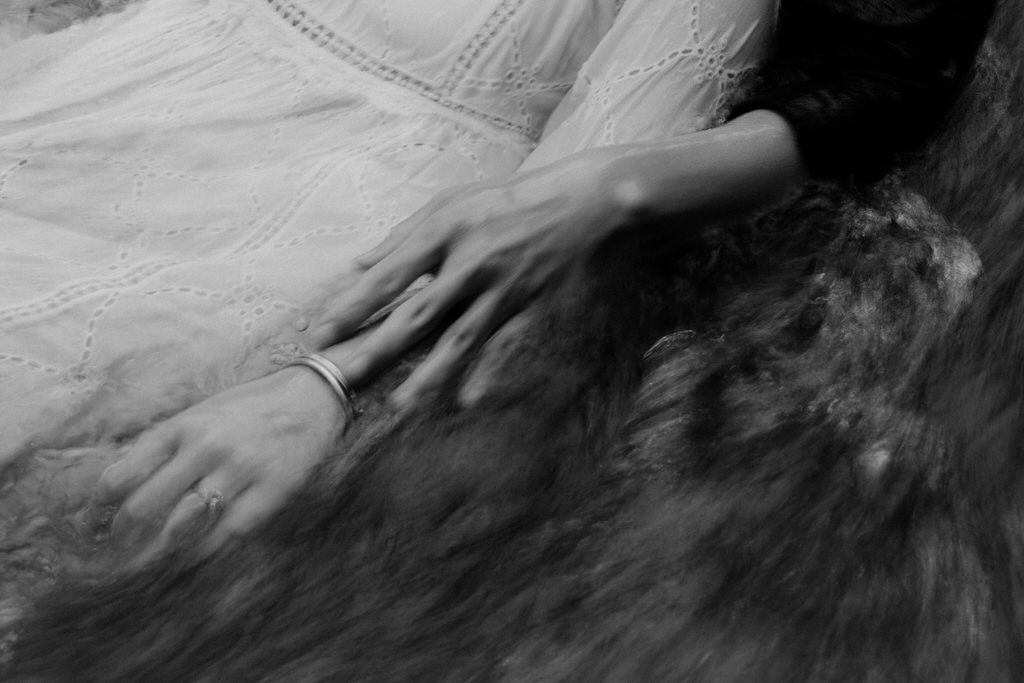
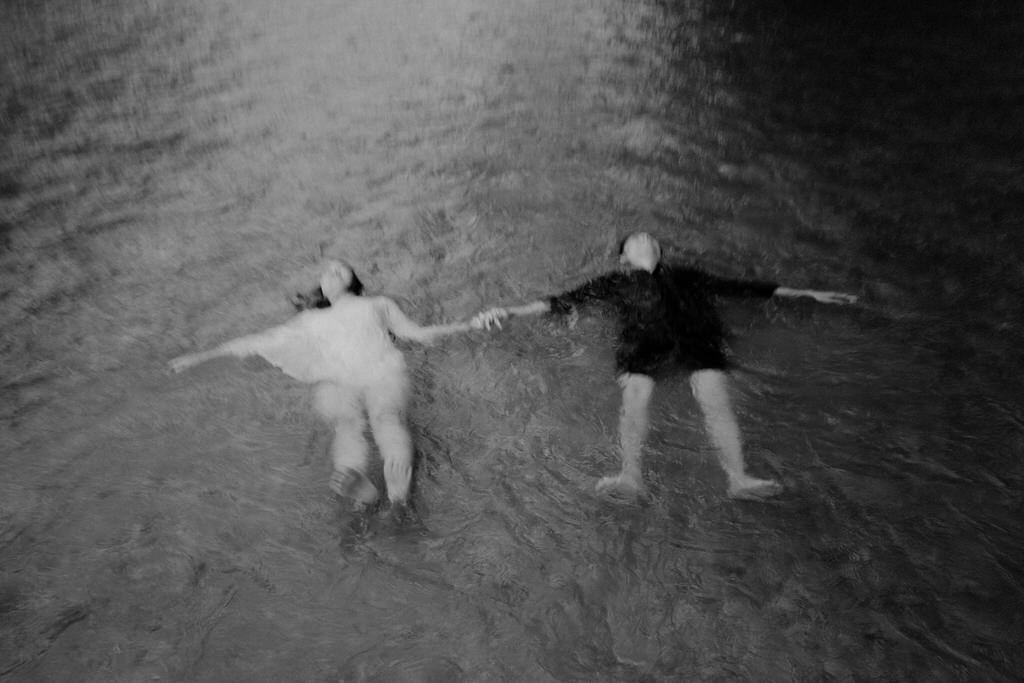
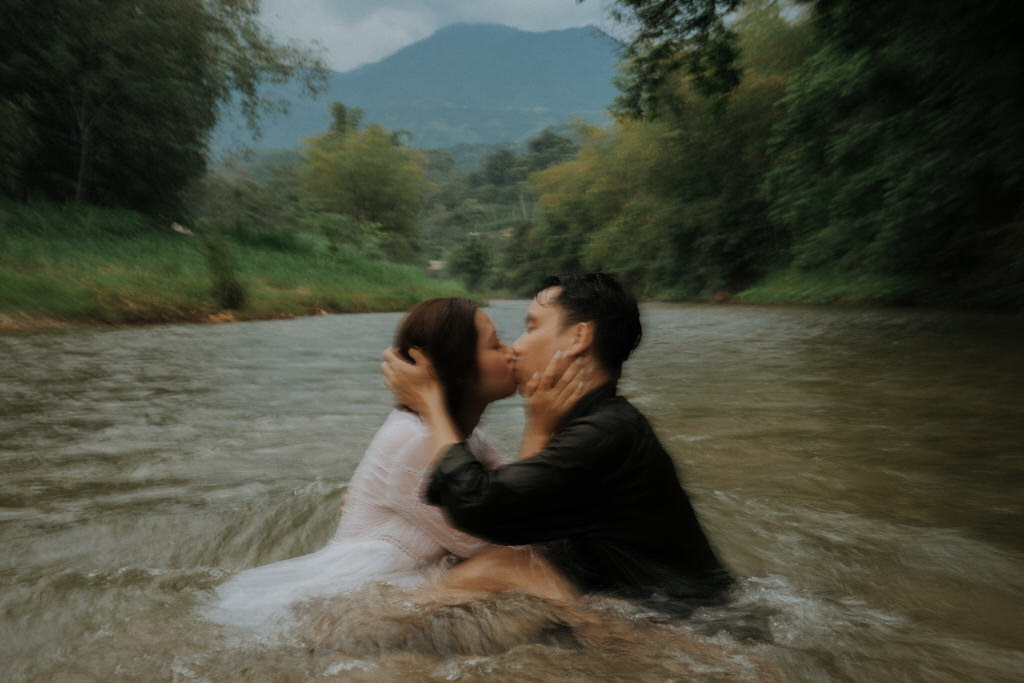
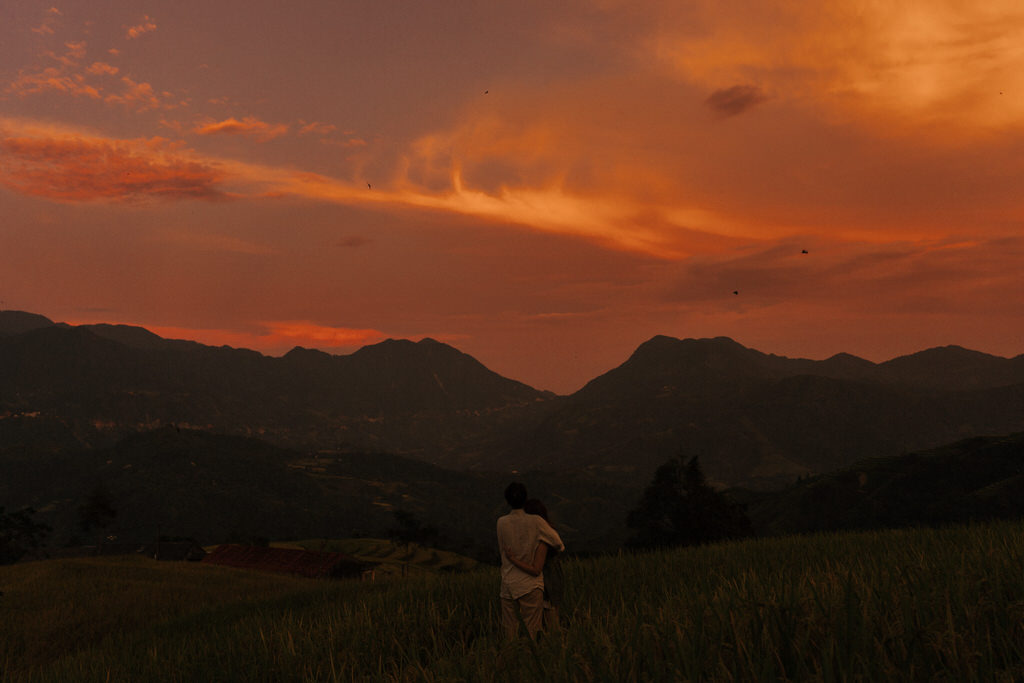
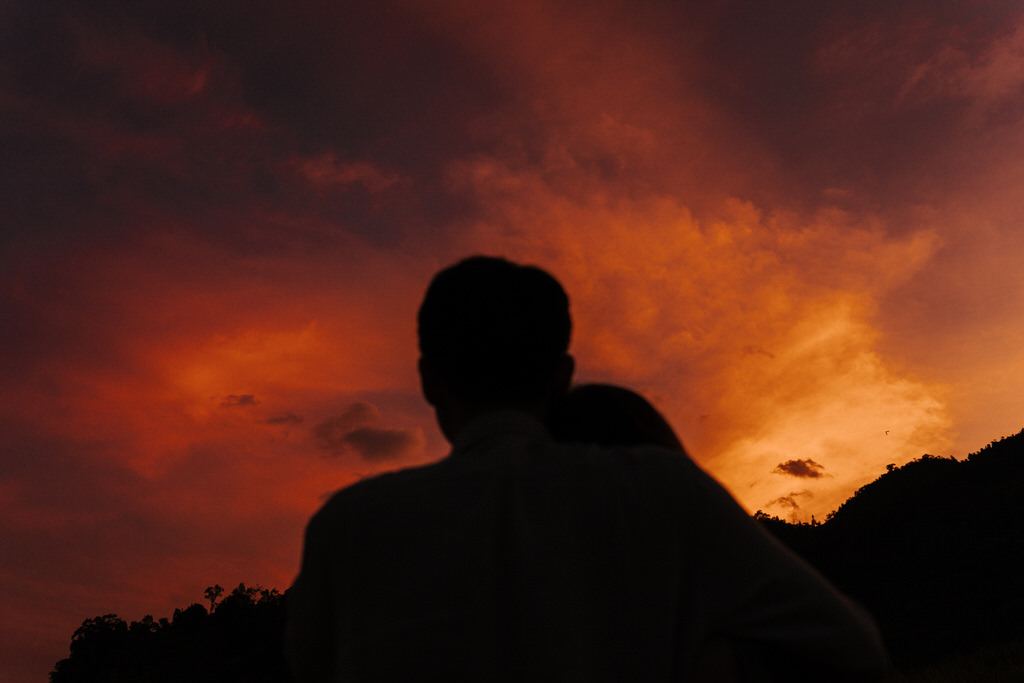
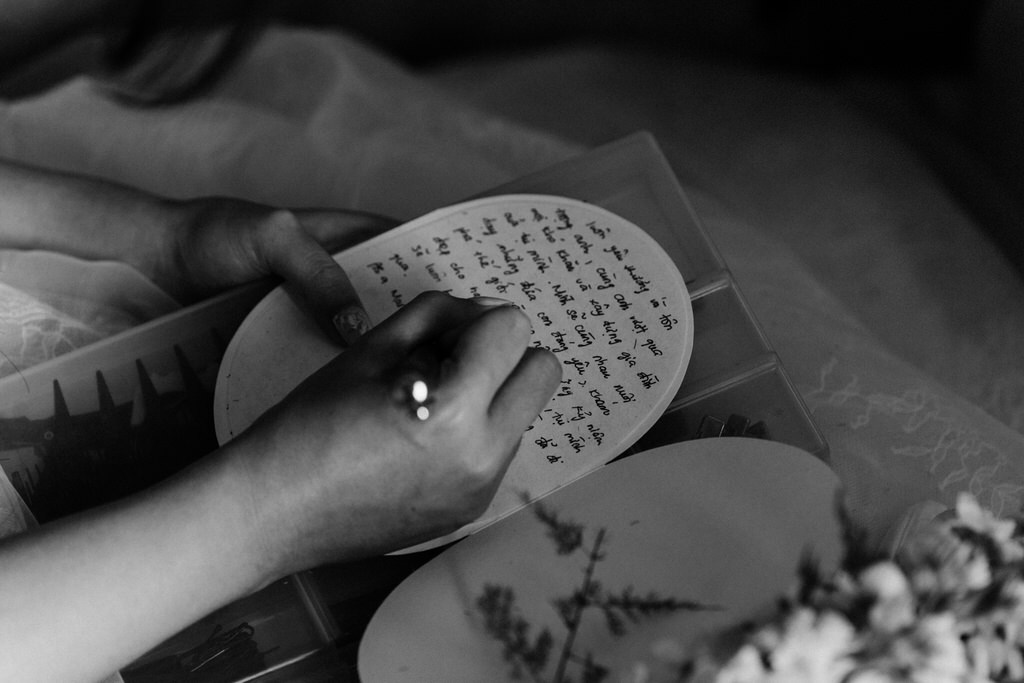
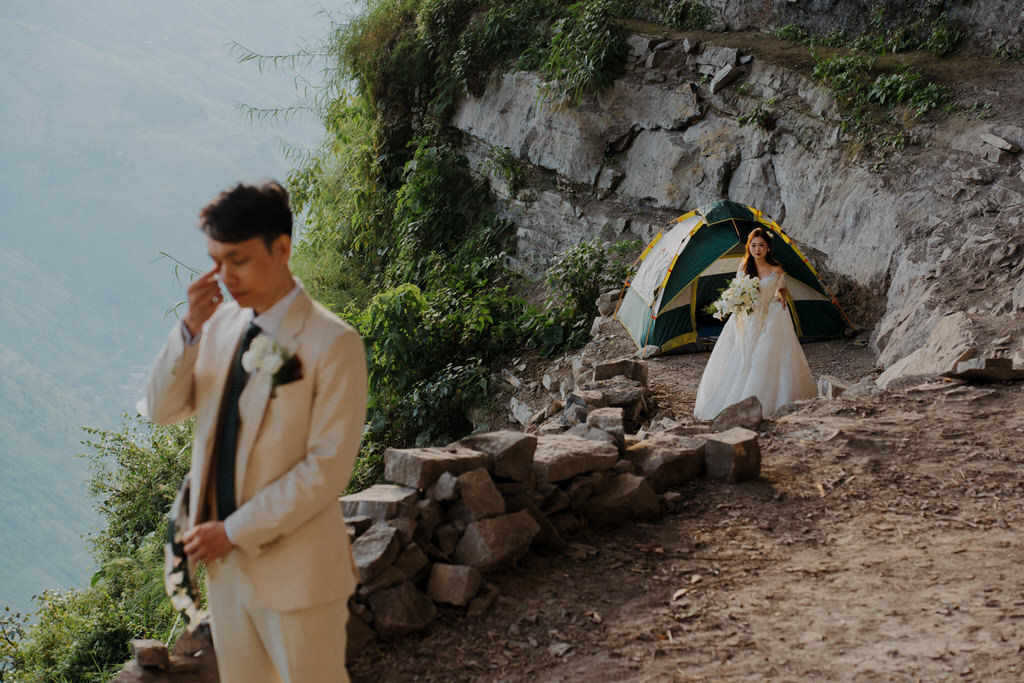
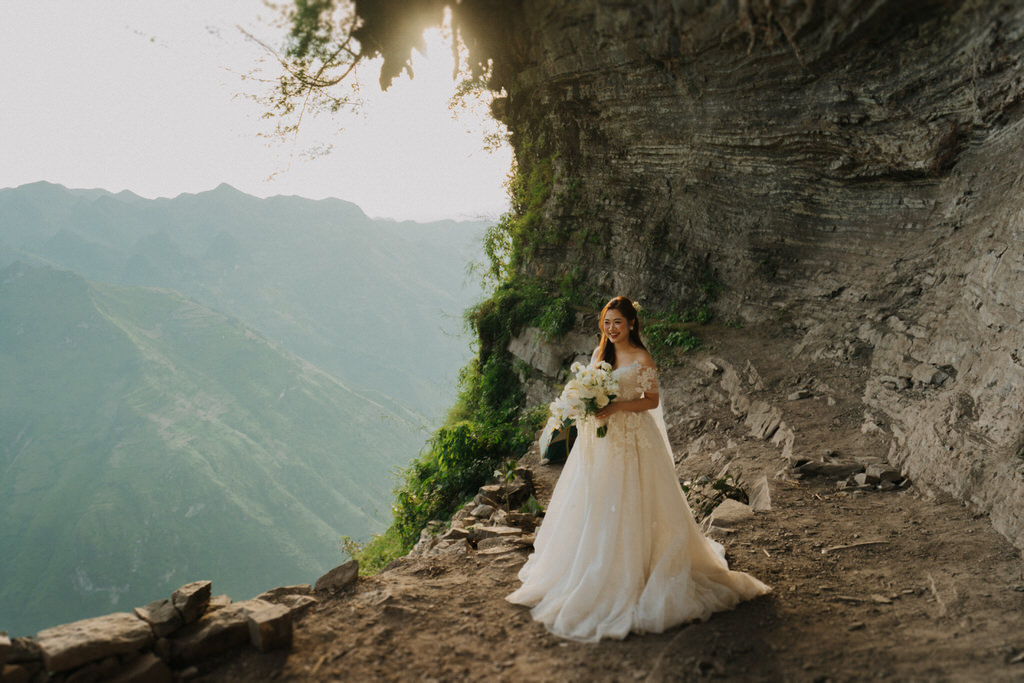
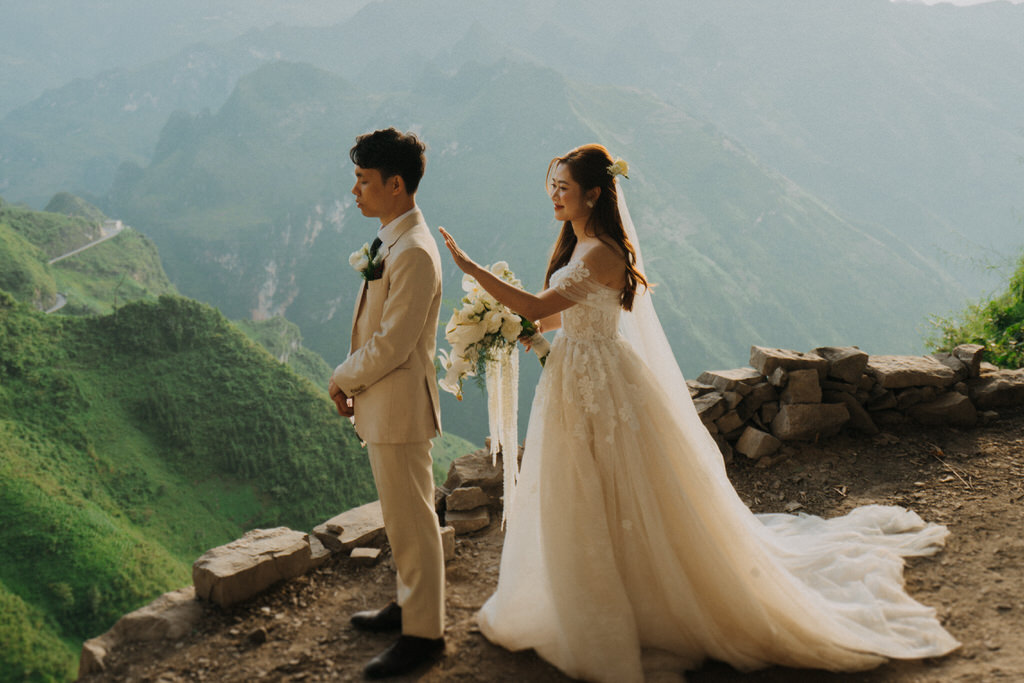
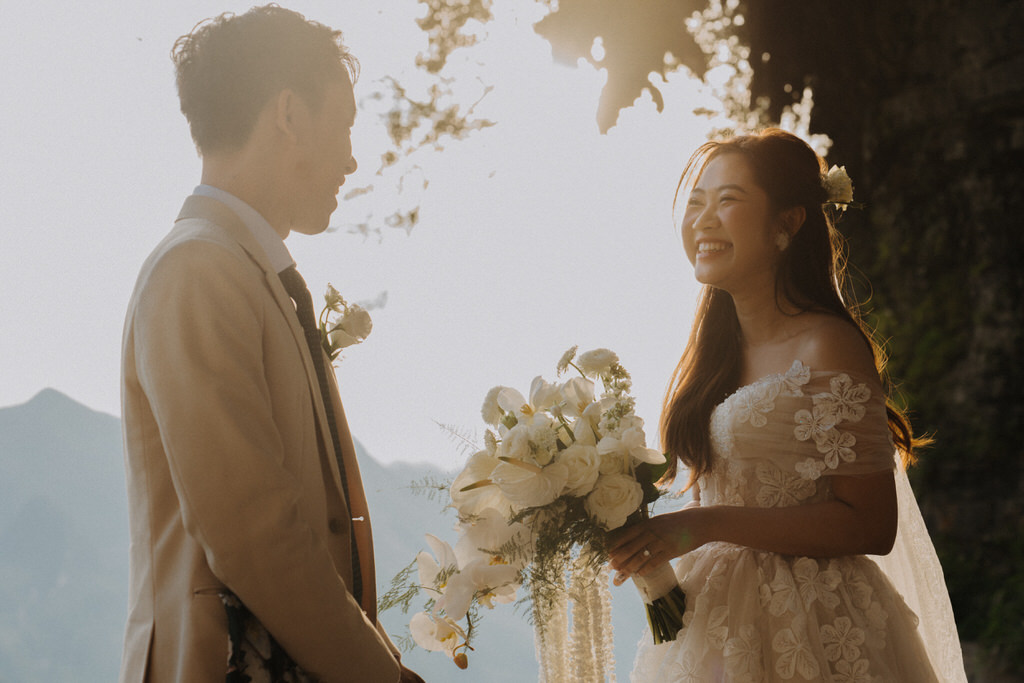
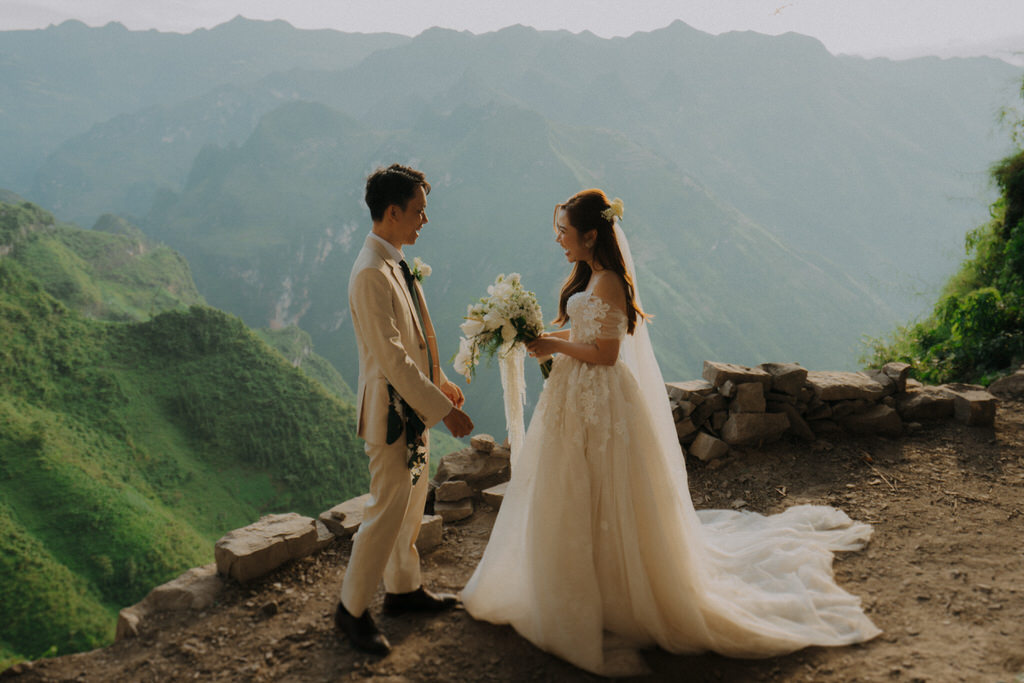
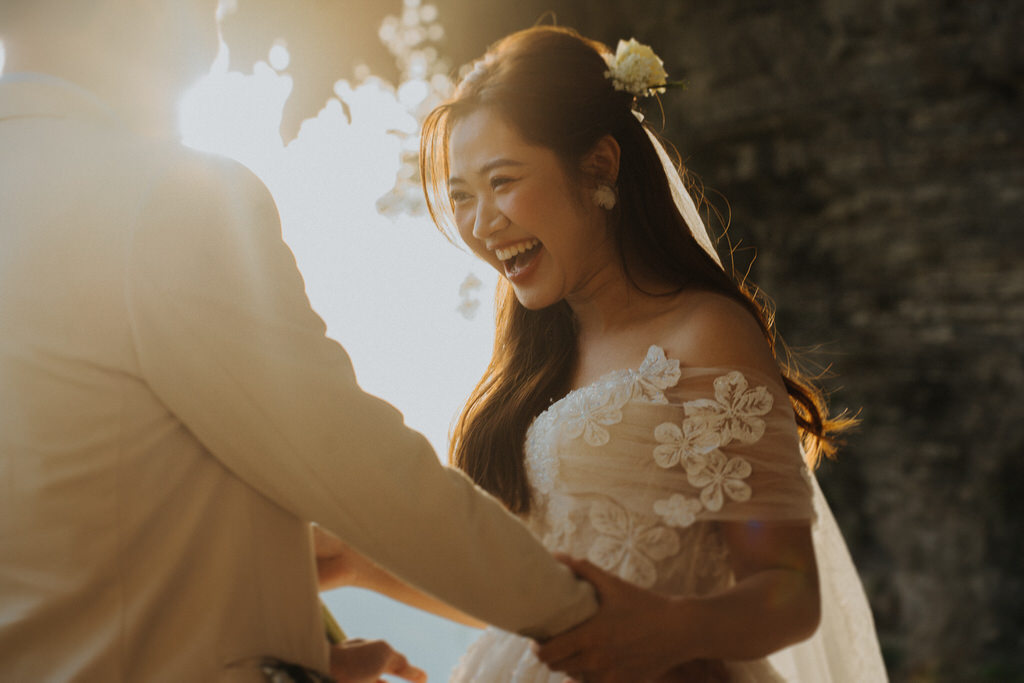
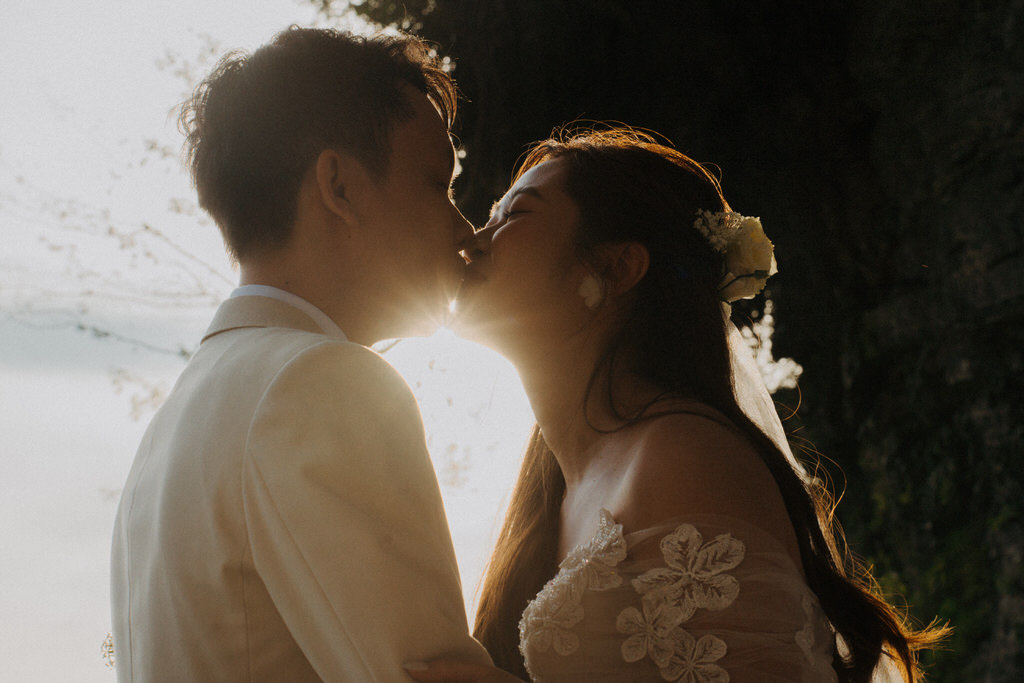
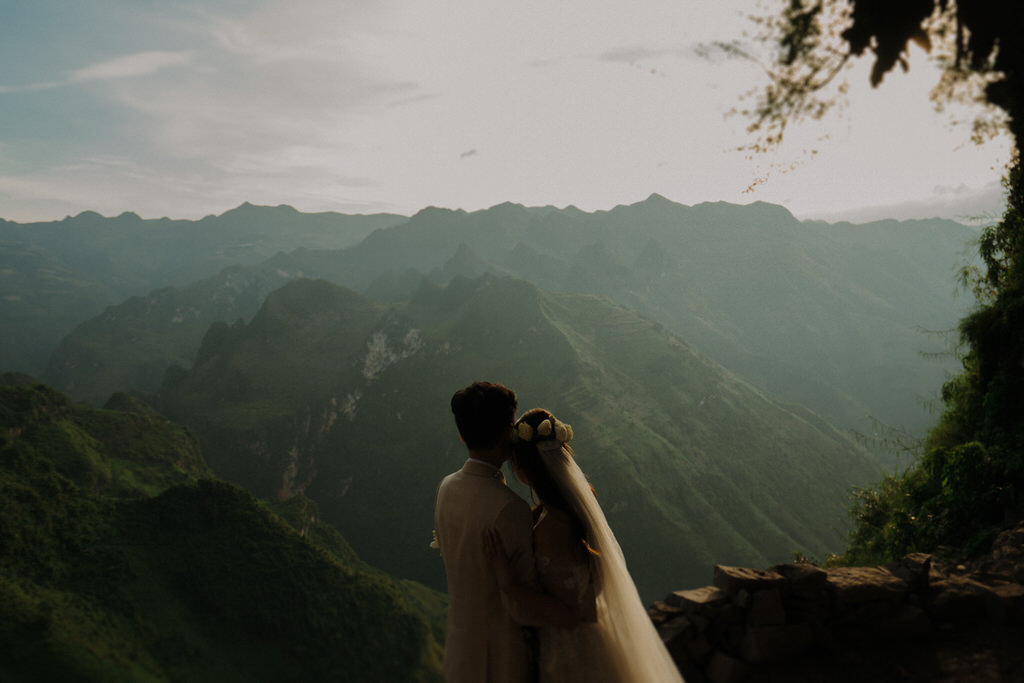
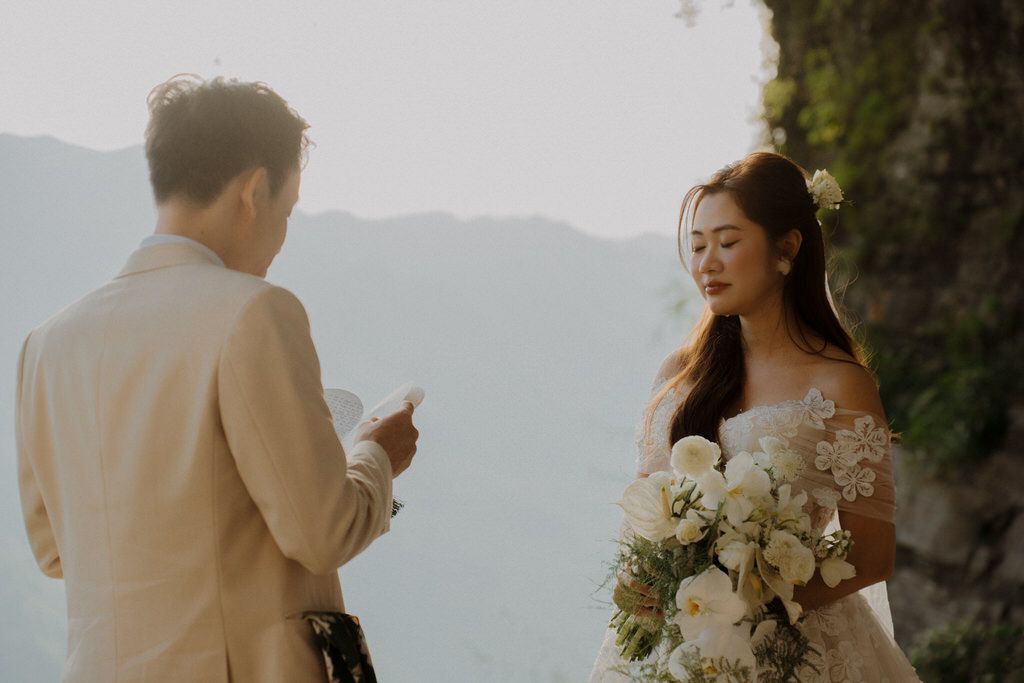
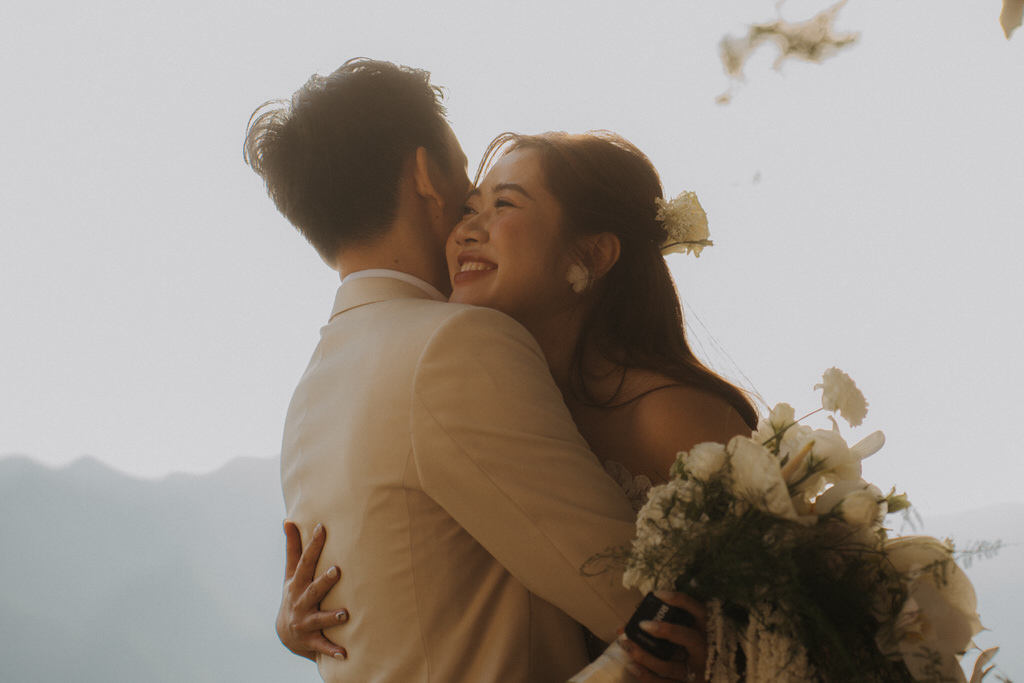
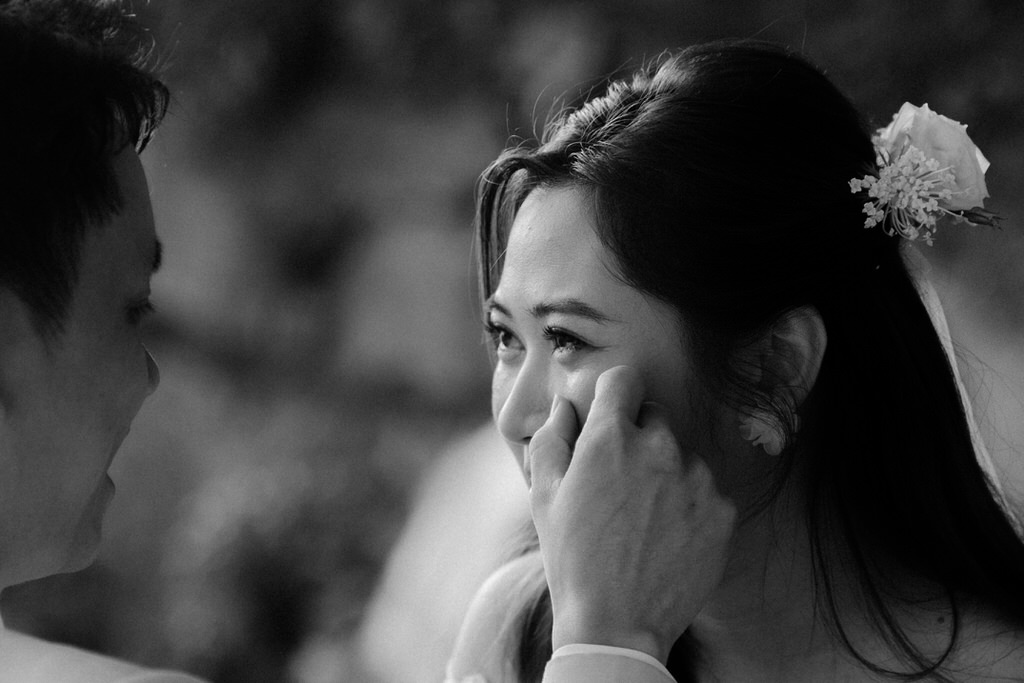
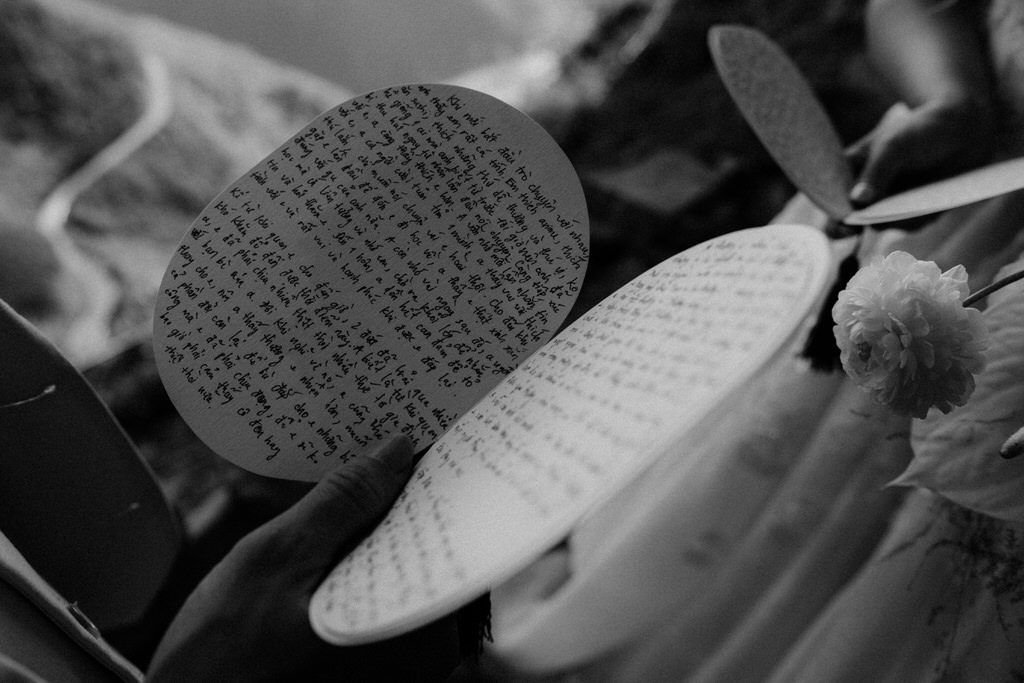
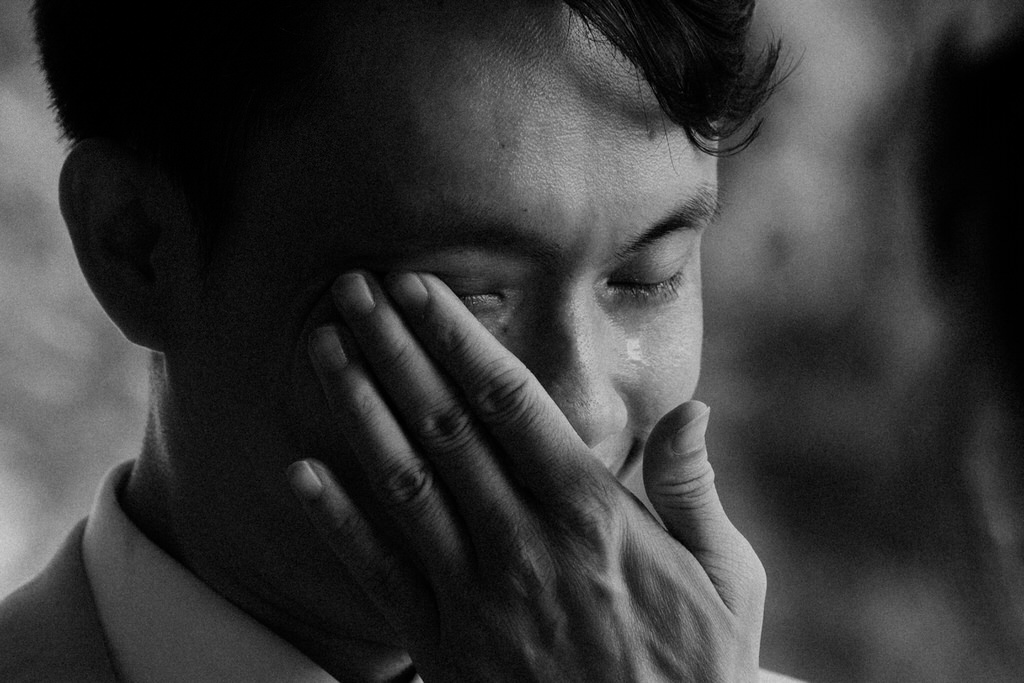
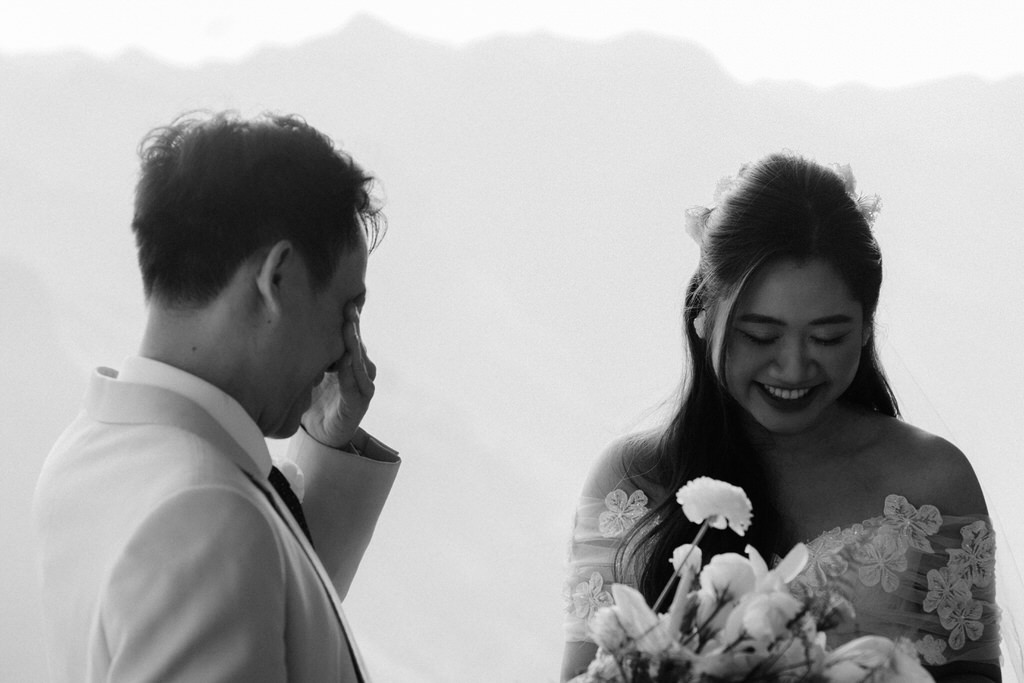
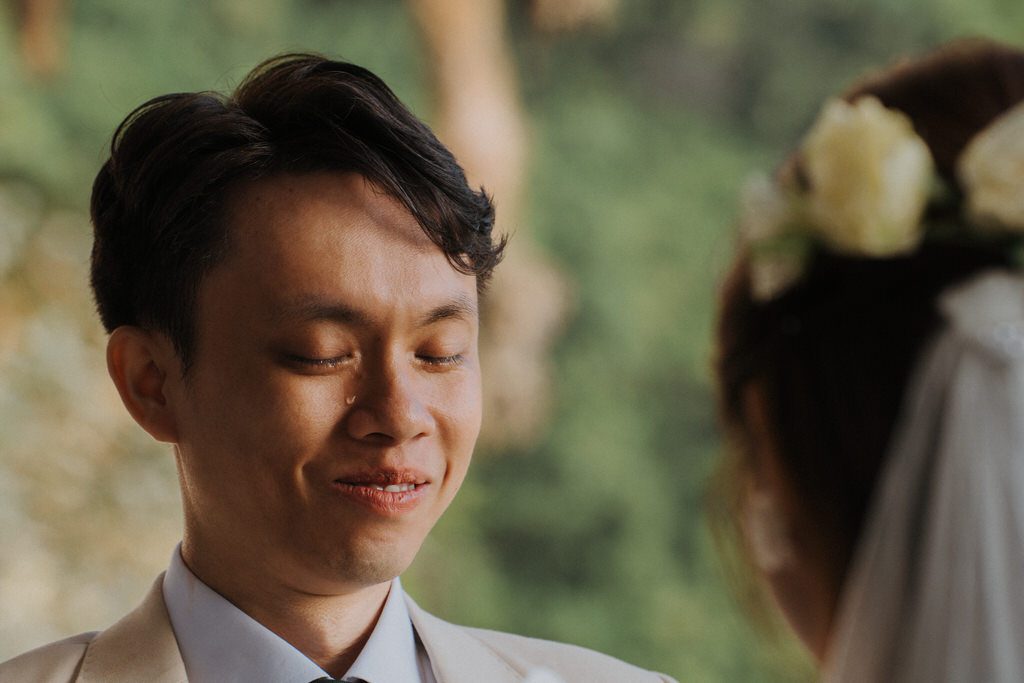
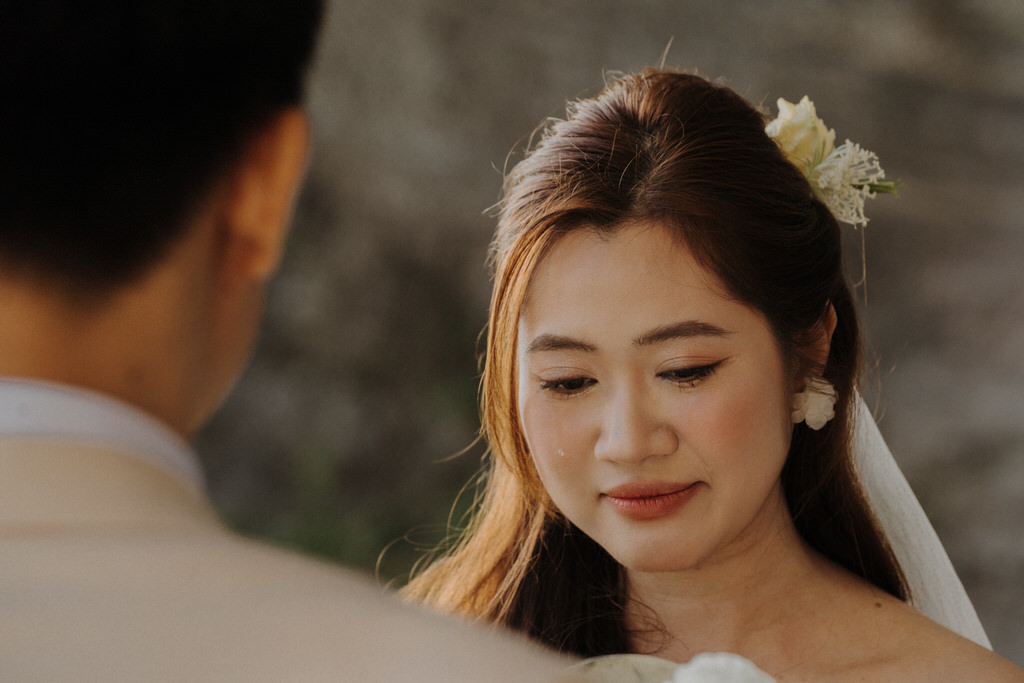
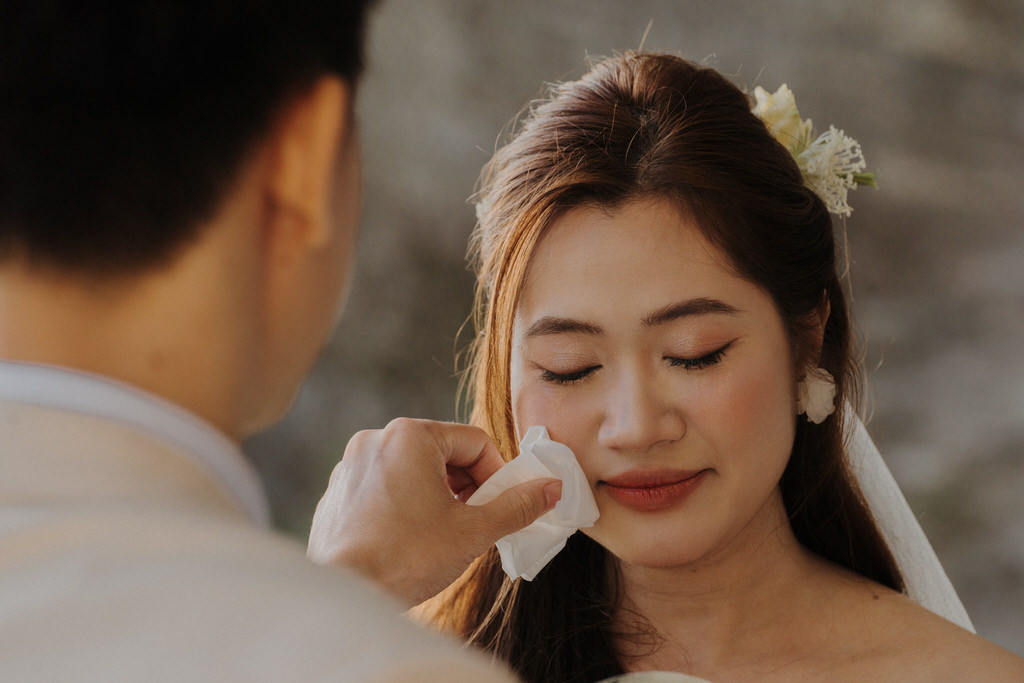
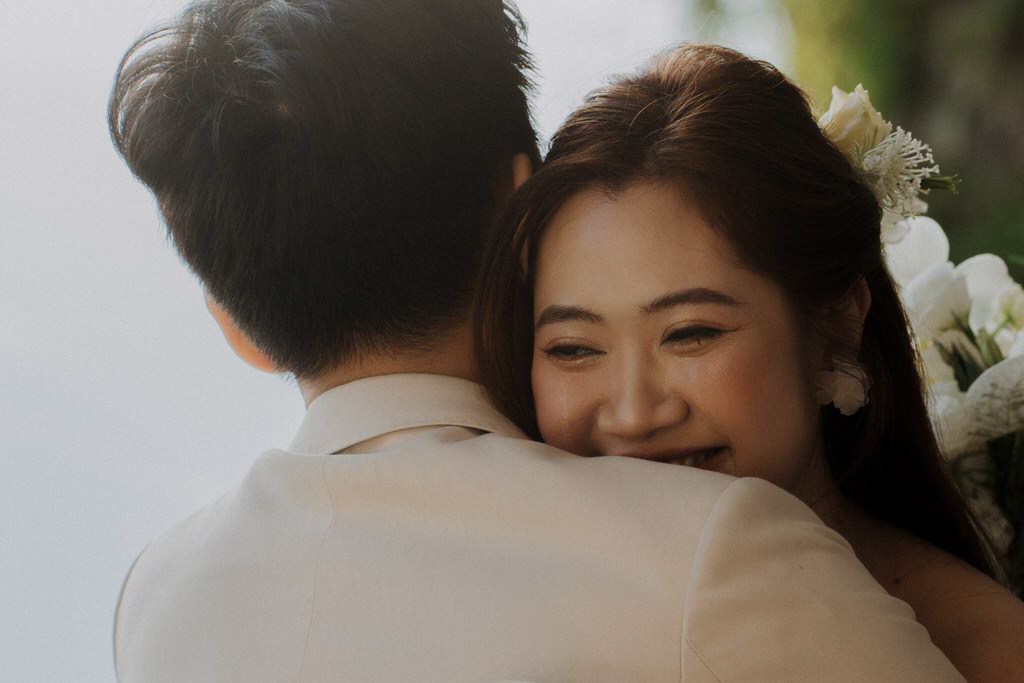
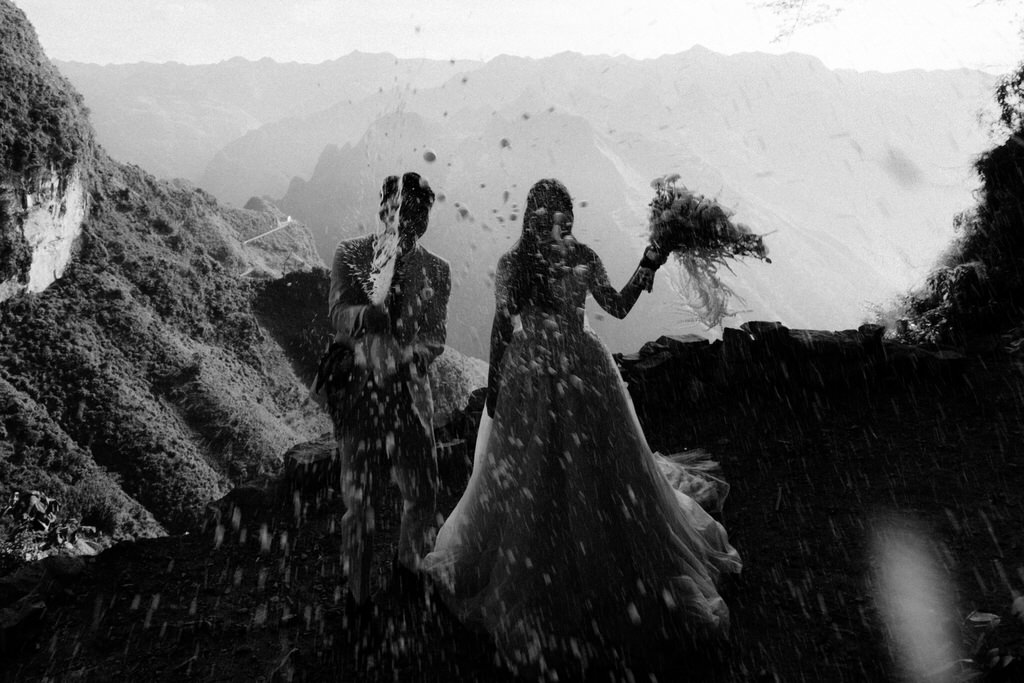
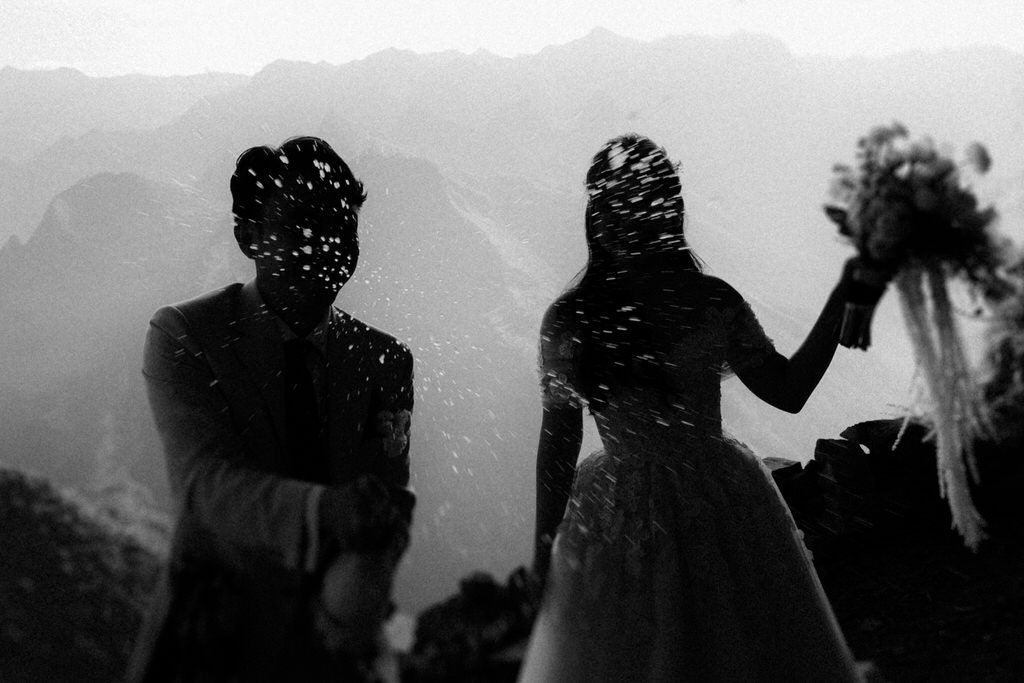
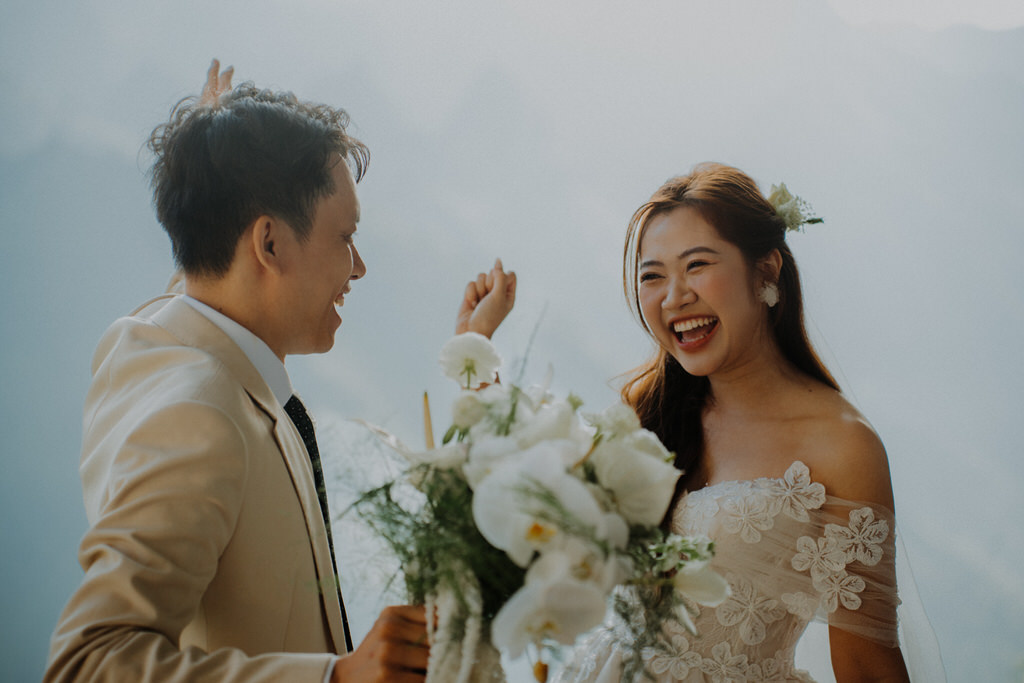
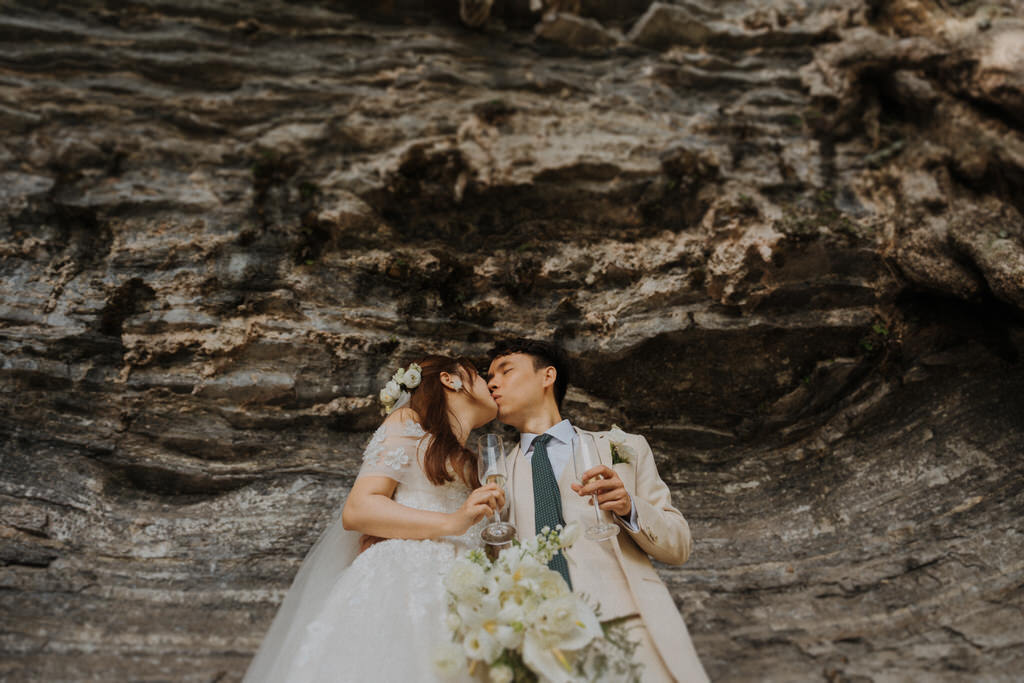
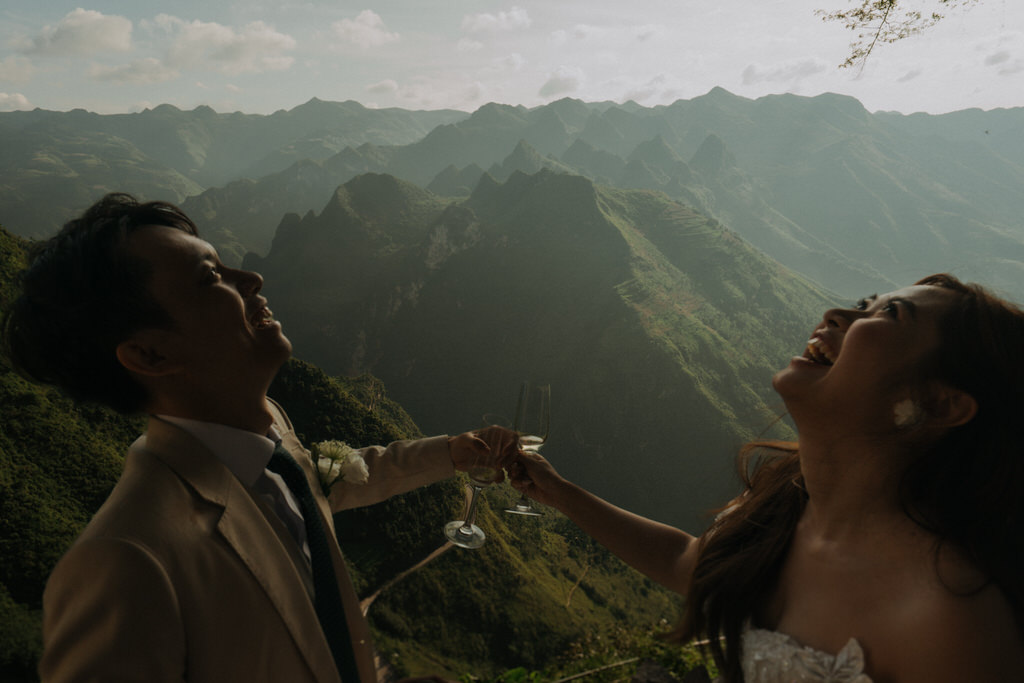
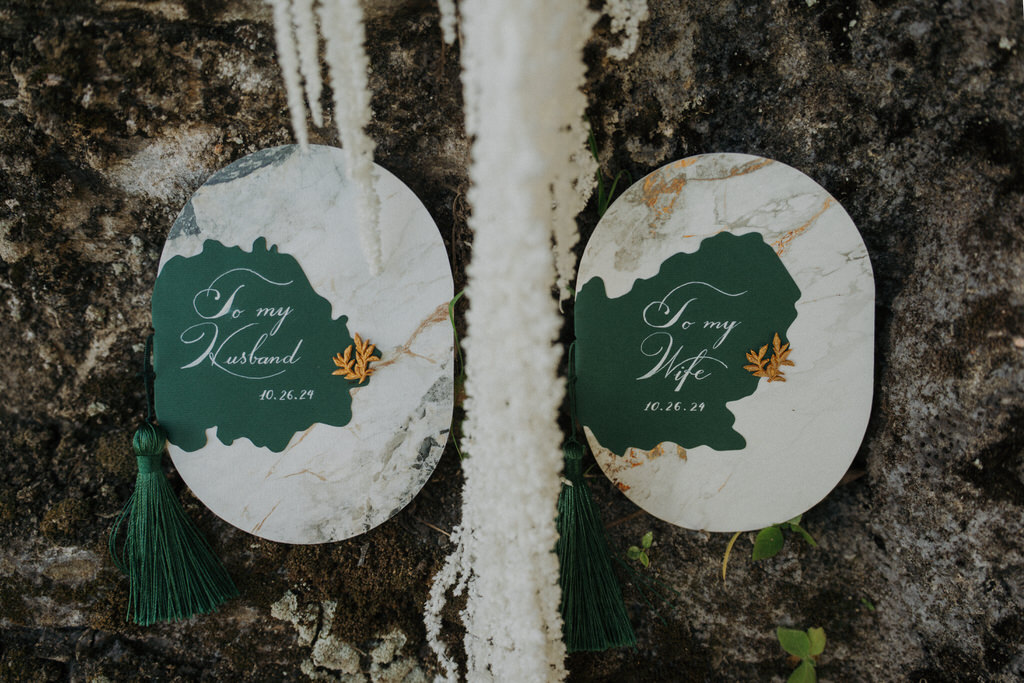
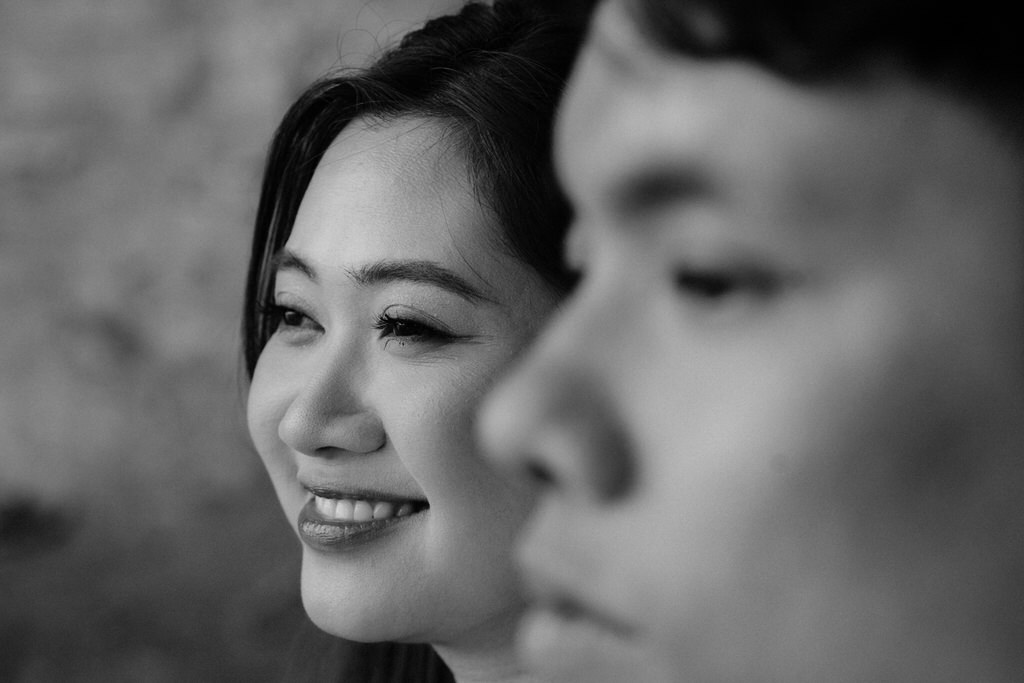
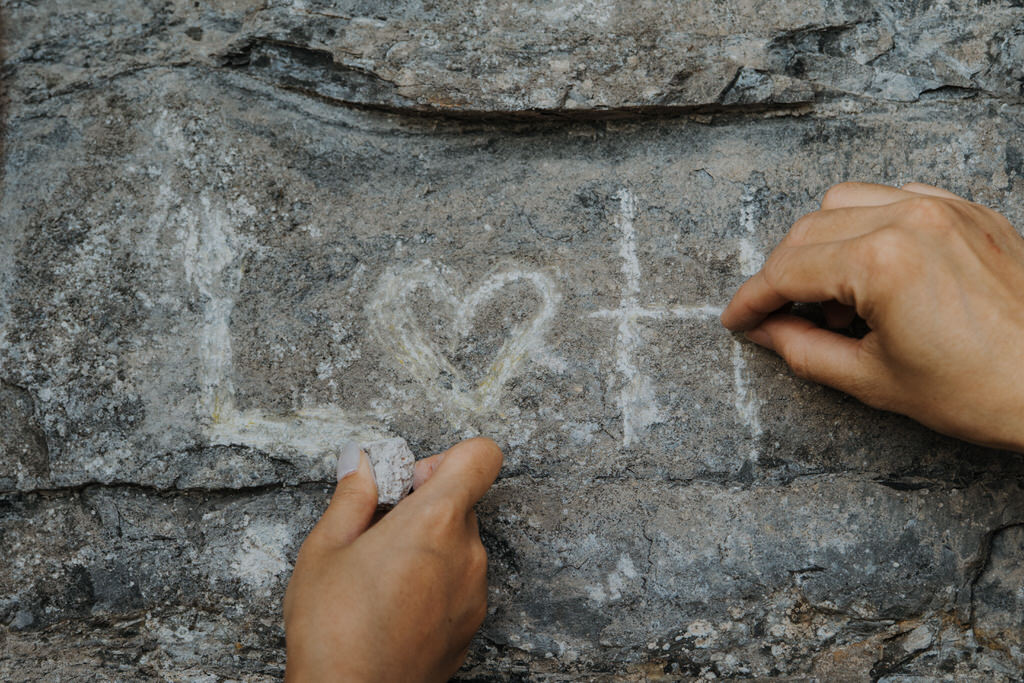
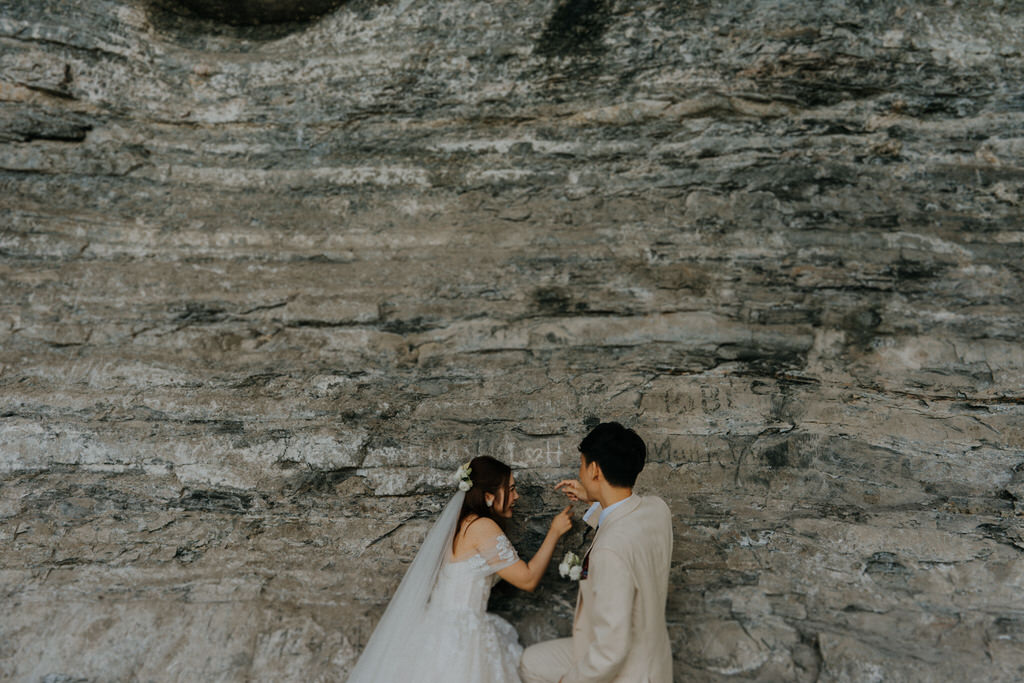
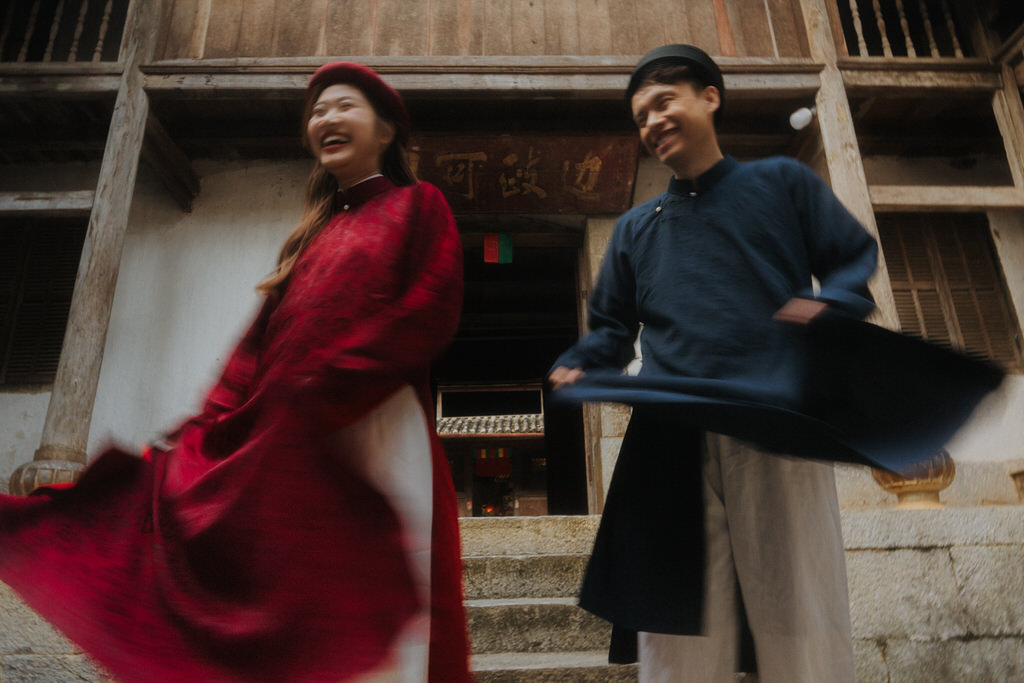
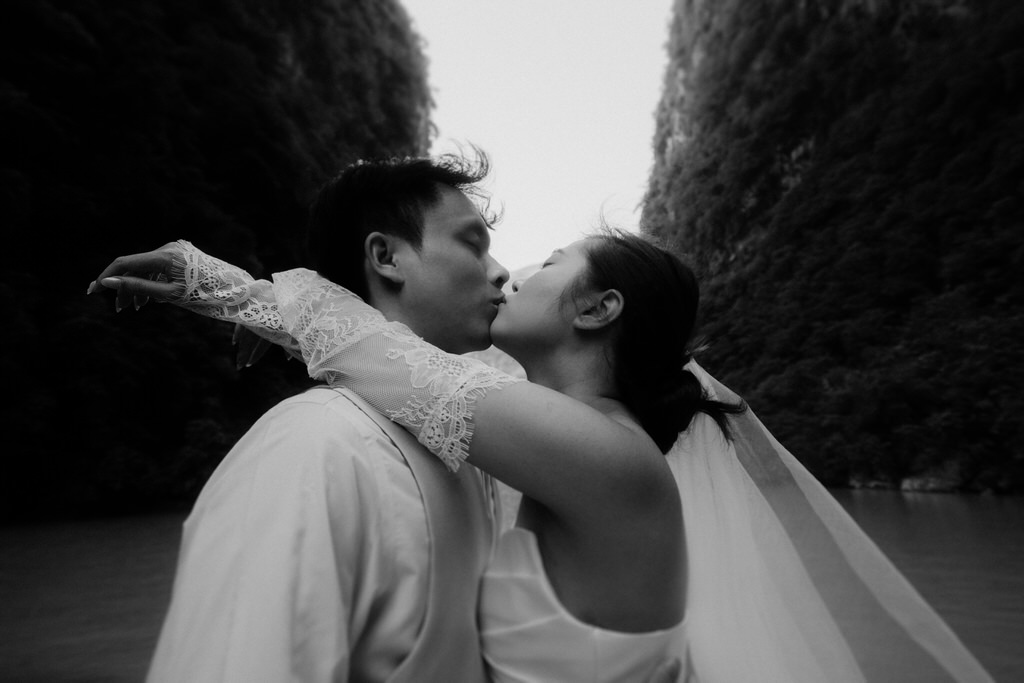
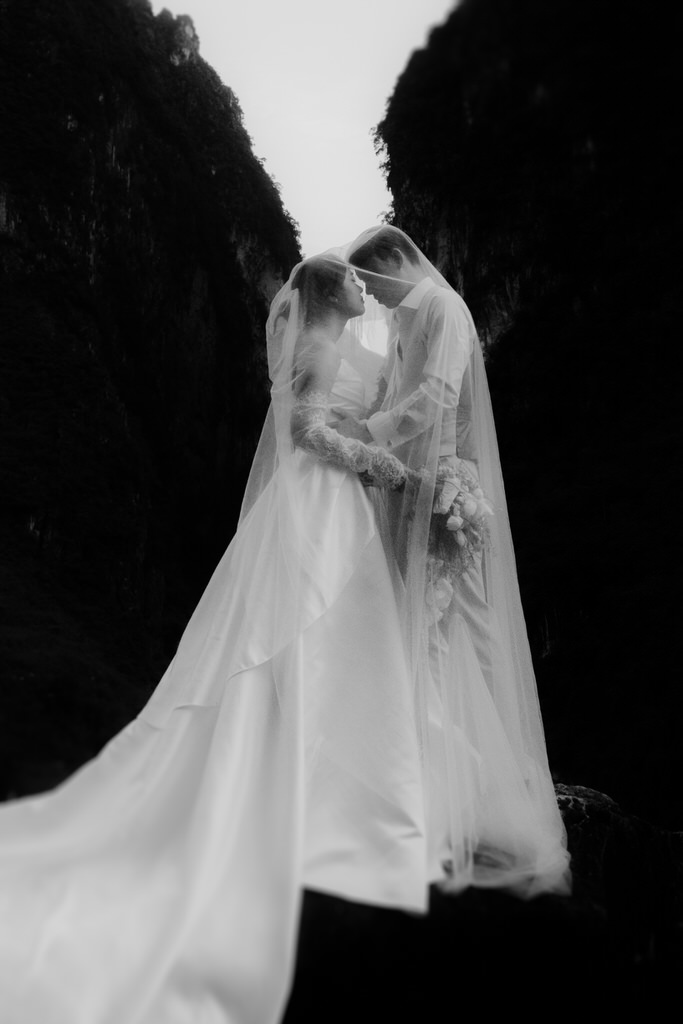
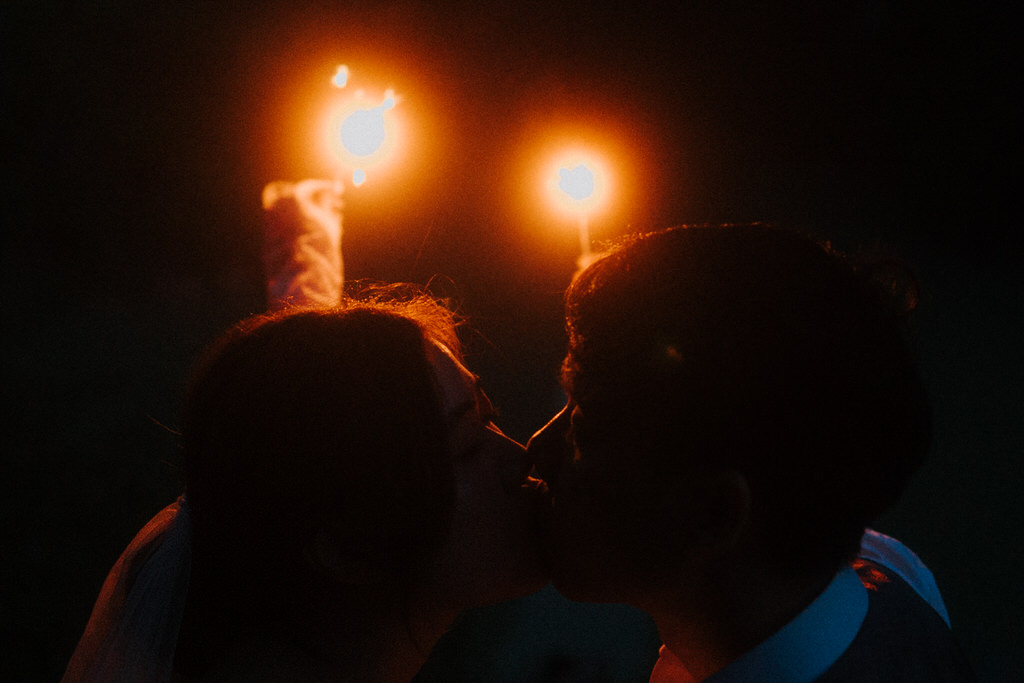
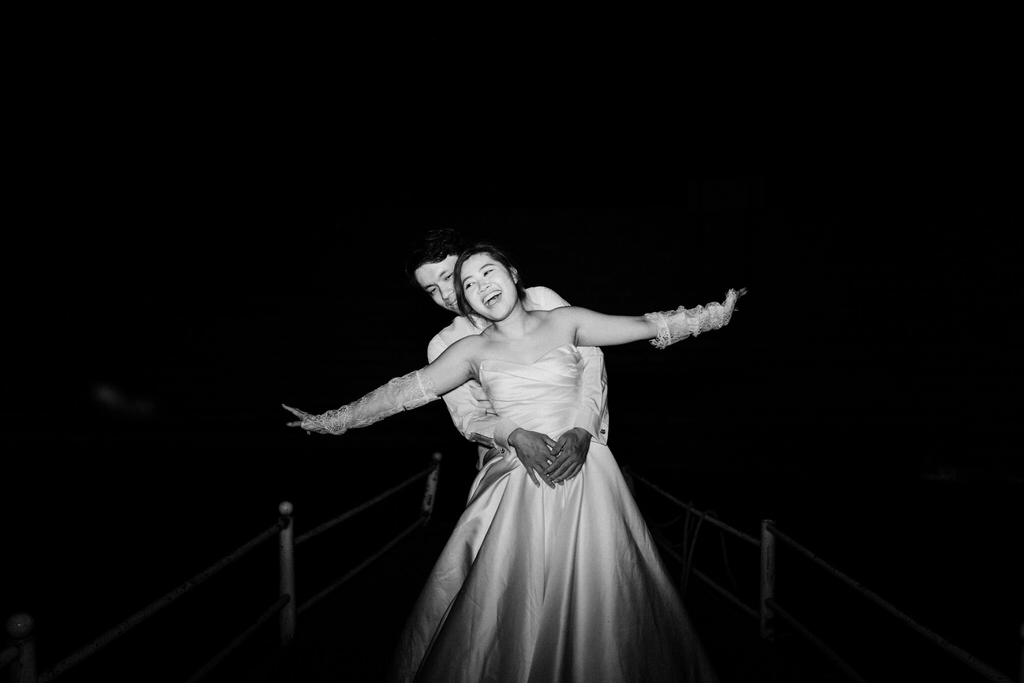
Early the next morning, we held a private elopement wedding for just two people in this vast landscape. No guests. No packed schedule. No pressure to perform happiness at the right moment or in the right way. Just two people travelling through a place together, learning to be present within it.
In an elopement like this, the ceremony itself is not necessarily the most important part. The meaning can live in the journey, in the pauses, in conversations, and in the silence that nobody feels the need to fill. It became one of the most intimate, moving moments of our trip.
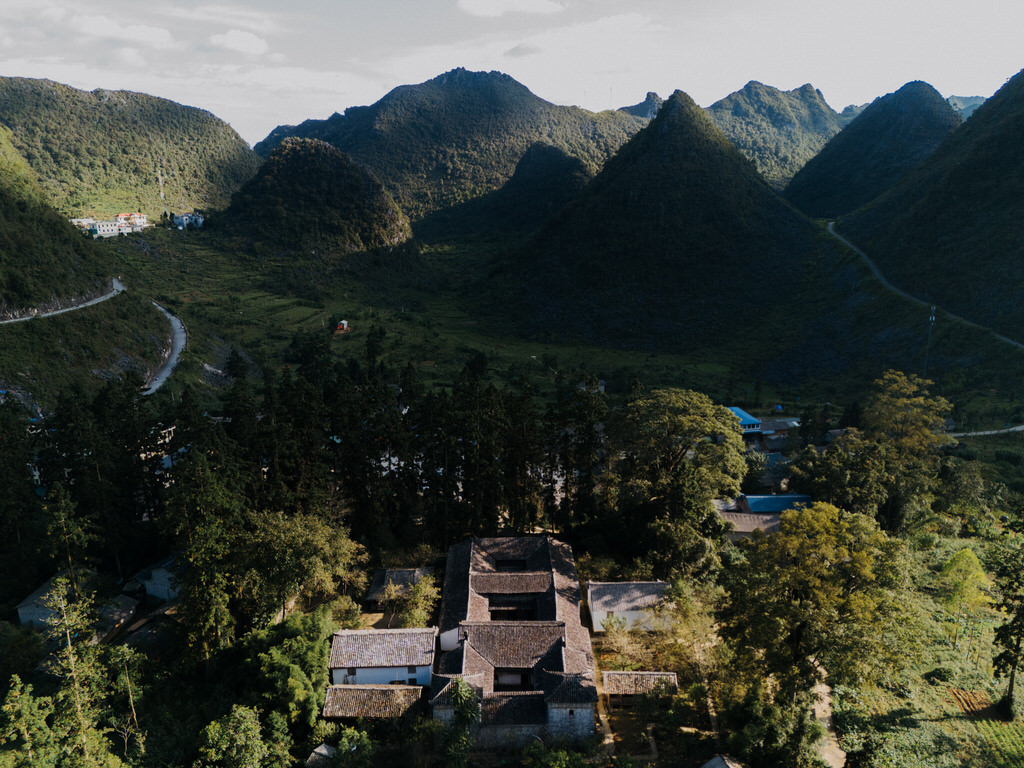
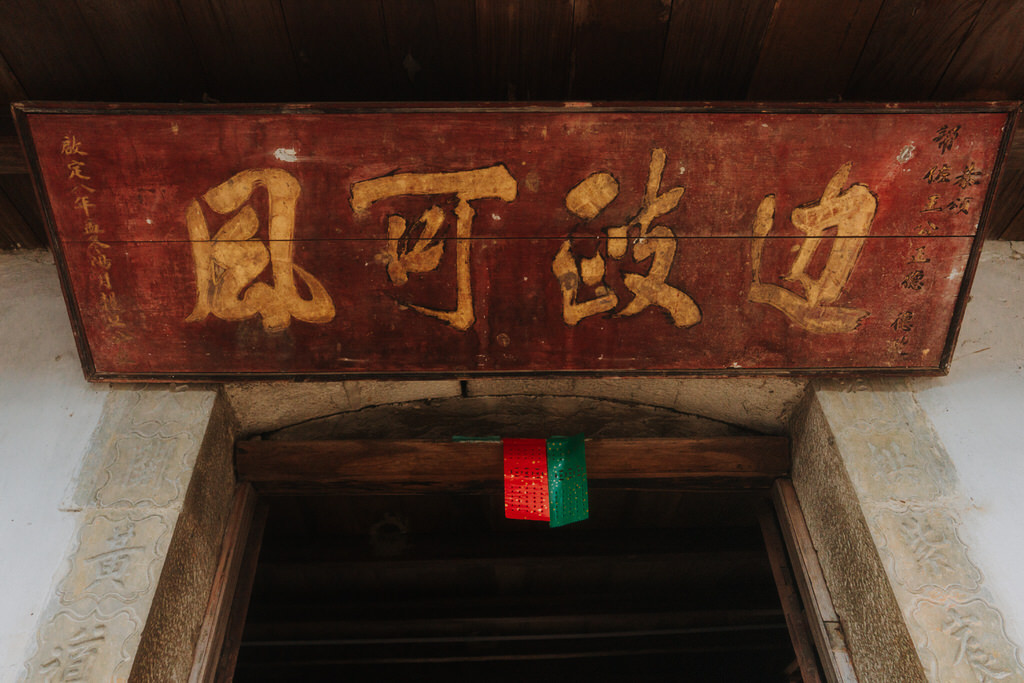
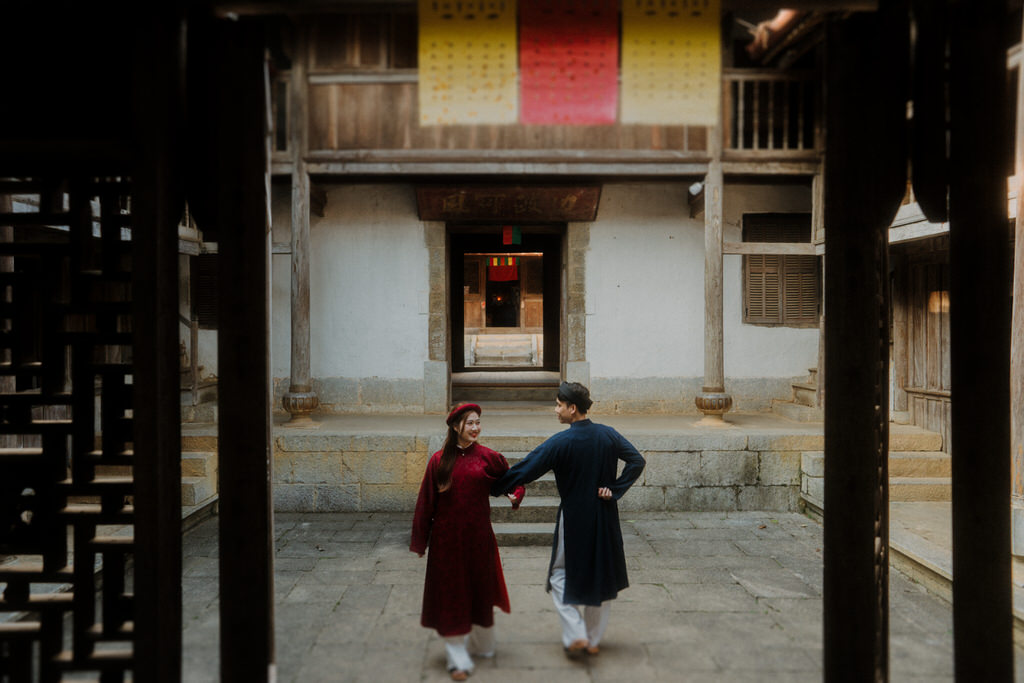
After leaving the White Cliff, we visited the Vương family mansion, often known as the Hmong King’s Palace. No matter how many times we return, its old-world architecture, historical traces and enduring stories continue to draw us in.
Our next stop was Lô Lô Chải, where we spent the night so we could wake early and experience the village’s sounds, daily rhythms and quiet atmosphere.
We then continued towards the Nho Quế River. The weather was not on our side, and some stretches of the road and scenery were less beautiful than we had hoped. Still, we chose to keep going and enjoy the journey to the very end — freely, without forcing anything or demanding perfection.
We returned late, only to be welcomed by a steaming hotpot prepared by our hosts in the chilly evening air. A simple meal, the end of a long day, and the quiet gratitude of still having one another beside us.


CHAPTER 3 – GOING HOME, WITHOUT REALLY LEAVING.
The final day may also have been the most emotional. We still had a few hundred kilometres to travel before reaching home, where we would say goodbye and return to our separate routines.
Nobody made grand speeches. But after nine days together, we all understood how much we treasured each passing moment. Sadness lingered in everyone’s eyes when it was time to part.
We exchanged heartfelt wishes, shared hugs that lasted longer than six seconds, and looked at one another with a mixture of gratitude and reluctance. Some encounters do not need grand promises. Travelling together for long enough — sharing meals, roads, exhaustion and unexpected joy — is already enough to create a memory that belongs to all of us.
In the end, the most beautiful things remain deep within us: the experiences, the stories and the rare memories we have been lucky enough to make. And after such a demanding journey, having everyone return home safely was a blessing in itself.
Thank you, Ha Giang. Thank you to everyone who travelled with us and welcomed us, to every meal, every road and every unexpected moment. May there always be happiness and love in your lives. We will miss one another dearly, won’t we?

- Location
- Category Wedding
- Model
- Camera